Children Caught in Crossfire: U.S. Traffic Crashes Spike in Injuries to Young Passengers
A troubling pattern has emerged across the United States: children are increasingly among the casualties in major vehicle collisions, from interstate pile-up...
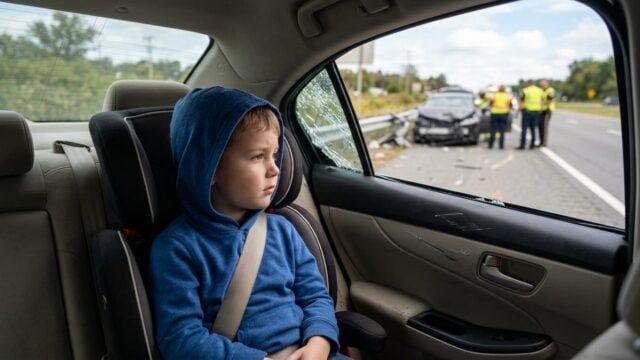
A troubling pattern has emerged across the United States: children are increasingly among the casualties in major vehicle collisions, from interstate pile-ups to high-speed pursuit crashes that put innocent bystanders in harm's way.
On a Wednesday afternoon in Kansas City, Kansas, the dangers became starkly visible. Ten people—including multiple young passengers and an infant—ended up hospitalized after a fleeing Honda Pilot ran a red light and slammed into another vehicle at 18th Street and Minnesota Avenue. The impact was violent enough to send the second SUV spinning into a nearby Chevrolet pickup. A 6-month-old strapped in a car seat suffered injuries, as did six other children ranging from ages 8 to 19 who were traveling in one of the struck vehicles.
When Pursuit Becomes Catastrophe
The Kansas Highway Patrol documented that the driver of the fleeing vehicle walked away unscathed. That's often how these scenes play out: the person behind the wheel of the getaway car emerges relatively untouched while those in other vehicles—families, commuters, bystanders—absorb the force of the collision. The driver of the Chevrolet wasn't injured, but the passengers in the Honda that was T-boned bore the brunt.
This Kansas incident wasn't isolated. Across multiple states over recent months, children have been swept into traffic emergencies ranging from transit van collisions to residential fire escapes. In West Philadelphia, two young sisters—ages 3 and 7—were pulled from a burning home on South 55th Street when flames erupted from the first floor. Their grandfather described the rescue: firefighters had to reach through a window to extract his youngest granddaughter. Both girls ended up on ventilators, suffering from smoke inhalation.
A Pattern of Vulnerability
Transit systems, highways, and emergency services nationwide have documented similar incidents. Children riding in transit vans have been injured in freeway crashes. Multi-vehicle pile-ups on interstate corridors have left young passengers hospitalized alongside adults. In each case, kids—who have no control over vehicle speed, route selection, or driving decisions—bear the consequences.
Emergency responders have become grimly accustomed to extracting small children from wreckage and smoke. Yet each incident raises the same unresolved question: what systemic changes could shield vulnerable passengers from becoming collateral damage in traffic chaos or pursuit scenarios they didn't create.