Coastal flooding is creeping into city life, and residents are learning to live with retreat
For families on low-lying coasts, the threat is no longer a storm surge on the horizon. It is water in the driveway, in the walls,. Coastal — full details here.
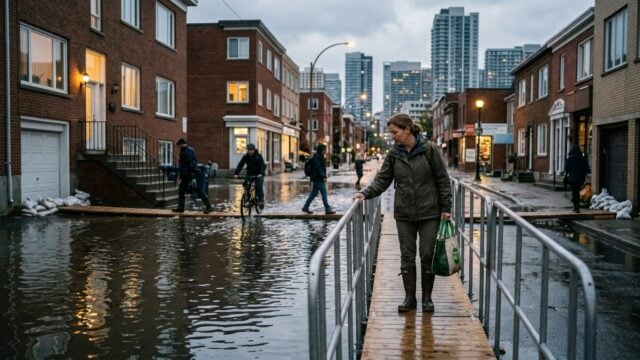
For families on low-lying coasts, the threat is no longer a storm surge on the horizon. It is water in the driveway, in the walls, under the floorboards.
That is the lesson Virginia Jones learned on the Tweed Coast in Australia, where a flood in February 2022 left one car submerged, another trapped and her family evacuating by kayak from their Bogangar home near Cabarita Beach. The house had stood on piers since the 1970s without going under, but after heavy rain Jones woke to water reaching the bottom steps of the front door.
A problem that arrives quietly
Jones said she first thought the damage would mean replacing furniture and cleaning up. The reality was harsher. Flooded homes often need plaster stripped from the walls so mould does not grow behind it. That kind of work is expensive, disruptive and slow. For many coastal residents, it turns a familiar home into a project with no easy finish line.
The episode captures why coastal flooding is increasingly being described as a sleeper climate issue. It does not always announce itself with a headline-grabbing disaster. It can creep in, event by event, until repair costs, insurance pressure and the question of whether to stay begin to reshape whole neighbourhoods.
Adaptation, not just response
Across Australia, experts and local communities are reckoning with climate impacts that are already locked in. One recent discussion on preparing for a hostile climate warned that the country is falling behind on adapting to those baked-in risks, including more violent weather, sea-level rise, flooding, fire and drought.
That shift in focus matters well beyond Australia. In many coastal cities around the world, the debate is moving from how to defend every street forever to how to live with more water, higher costs and, in some places, the gradual withdrawal of development from the most exposed land.
When the shoreline moves inland
“Little by little cities will have to recede,” Jones said, reflecting the reality facing communities built near lagoons, creeks and other low-lying stretches of coast. The phrase sounds stark. On the ground, it can mean smaller, harder choices: which homes to keep repairing, which roads to lift, which sites to abandon and which to redesign.
That is why coastal flooding is emerging as a planning problem as much as a weather problem. The water does not just damage property for a night. It changes what residents can afford to fix, what councils can protect and what a city can reasonably expect from its waterfront.
For Jones and her neighbours, the 2022 flood was not an abstract warning. It was a kayak, a soaked street and walls that had to be stripped back. And it may be a preview of what many other coastal communities will face, one tide and one storm at a time.