South Africa Chrome Mine Dam Collapse Unleashes Massive Mudslide, Cuts Power to Thousands
A tailings dam at Samancor Chrome's Dikwena operation near Brits collapsed Thursday, sending a torrent of mining waste across the North West region and trigg...
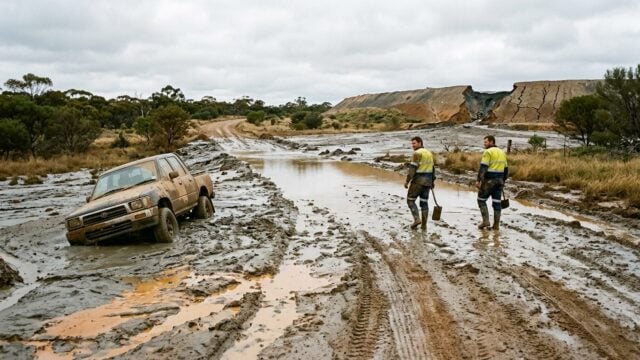
A tailings dam at Samancor Chrome's Dikwena operation near Brits collapsed Thursday, sending a torrent of mining waste across the North West region and triggering widespread power outages that left surrounding communities without electricity.
The wall of the storage facility gave way around 5:30 p.m., releasing nearly all waste material held in one compartment of the dam. The sludge swept across the landscape for several kilometres, engulfing access roads, burying vehicles, and damaging critical infrastructure operated by state utility Eskom.
Damage Spreads Beyond the Mine Site
Employees at the nearby Eland Mine, operated by Northam Platinum, first spotted the damage when they found their access road from the R566 provincial highway buried under thick mud. Railway lines serving the region were torn apart. Power cables feeding Brits, Hennops, and surrounding towns were knocked offline, disrupting service to thousands.
A river in the area also became polluted from the spill. The water and sanitation department and the Limpopo-Olifants catchment management agency have launched investigations into the environmental fallout.
Structural Failures and Warning Signs
Satellite analysis reviewed by mining experts revealed a troubling detail: water was pooling atop an adjacent tailings facility where it should not have been present. This suggests potential structural weaknesses or improper maintenance across the storage system. Delayed rainfall patterns in the region may have contributed to the collapse, though authorities have not confirmed a definitive cause.
Samancor Chrome, one of the world's largest integrated ferrochrome producers, operates the Dikwena facility through a subsidiary company called One Chrome. A company spokesperson told the South African Broadcasting Corporation (SABC) that investigations were underway, but released few additional details about what triggered the failure.
Part of a Broader Crisis
The Brits incident echoes earlier catastrophes across the mining sector. In Brazil, a federal judge ordered mining giants BHP, Vale, and their joint venture Samarco to pay 47.6 billion reais—roughly $9.67 billion—in damages over a 2015 iron ore dam collapse that killed 19 people and polluted the Rio Doce river to its mouth at the Atlantic Ocean. In Zambia, a dam holding mining waste from a Chinese-owned copper operation burst in February 2025, releasing acidic effluent that poisoned crops, killed livestock, and posed serious health risks to local residents.
No casualties have been reported at the Dikwena site, and the waste was ultimately contained by railway embankments and earthen barriers at Eland Mine. Yet the incident underscores the persistent risks of aging tailings infrastructure across Africa's mining heartland, where oversight gaps and deferred maintenance continue to threaten both communities and water systems.