Hegseth taps Elon Musk for US warfare technology taskforce
US Defense Secretary Pete Hegseth has brought Elon Musk back into government work, naming the SpaceX chief to co-lead a new project looking at the
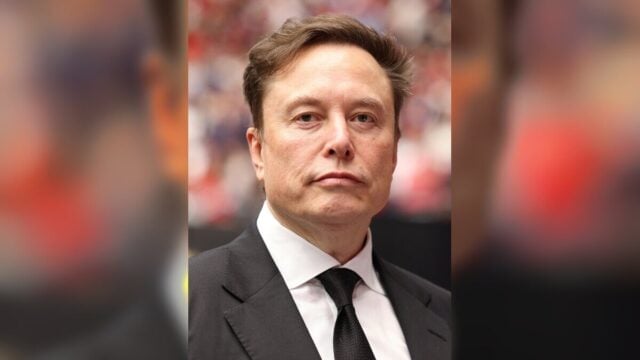
US Defense Secretary Pete Hegseth has brought Elon Musk back into government work, naming the SpaceX chief to co-lead a new project looking at the future of warfare. The move comes a little more than a year after Musk’s bruising turn running the Trump administration’s so-called Department of Government Efficiency.
Musk will work alongside Palmer Luckey, the chief executive of defence technology firm Anduril, and Newt Gingrich, the former Republican speaker of the House. Small team. Big remit.
Project Meridian sets a 120-day clock
The effort, called Project Meridian, was announced on Wednesday and outlined in a Pentagon press release. The department said the project will examine what capabilities are needed to secure “absolute technological dominance on the next-generation battlefield”.
It is set to run for 120 days before producing an unclassified public report with recommendations. That gives the Pentagon a tight deadline to turn a broad ambition into concrete advice.
The assignment also signals a striking return for Musk, whose previous government role ended in chaos. During his tenure at Doge, the effort gutted federal agencies and missed its stated cost-cutting goals, according to the source material.
A return to favour
For the Trump administration, the appointment suggests Musk has re-entered its good graces after a dramatic falling out with the president last year. He now returns not as a budget-cutter, but as part of a push to think through how war might be fought with more advanced technology.
The cast around Project Meridian matters too. Luckey brings a defence tech pedigree through Anduril, while Gingrich adds a long political track record. The mix points to a project shaped by Silicon Valley-style experimentation and Washington experience. Different worlds. Same table.
What comes out of the 120 days will be public, but the larger significance is already clear: the Pentagon is asking some of the most recognisable names in US tech and politics to help define the battlefield of the future.
Source: theguardian.com