Why Do Long Lines Make People Curious? 5 Reasons We Join the Crowd
You walk past a neighborhood cafe with no intention of buying anything—until you see twenty people waiting outside. Here is why a long line triggers instant curiosity.
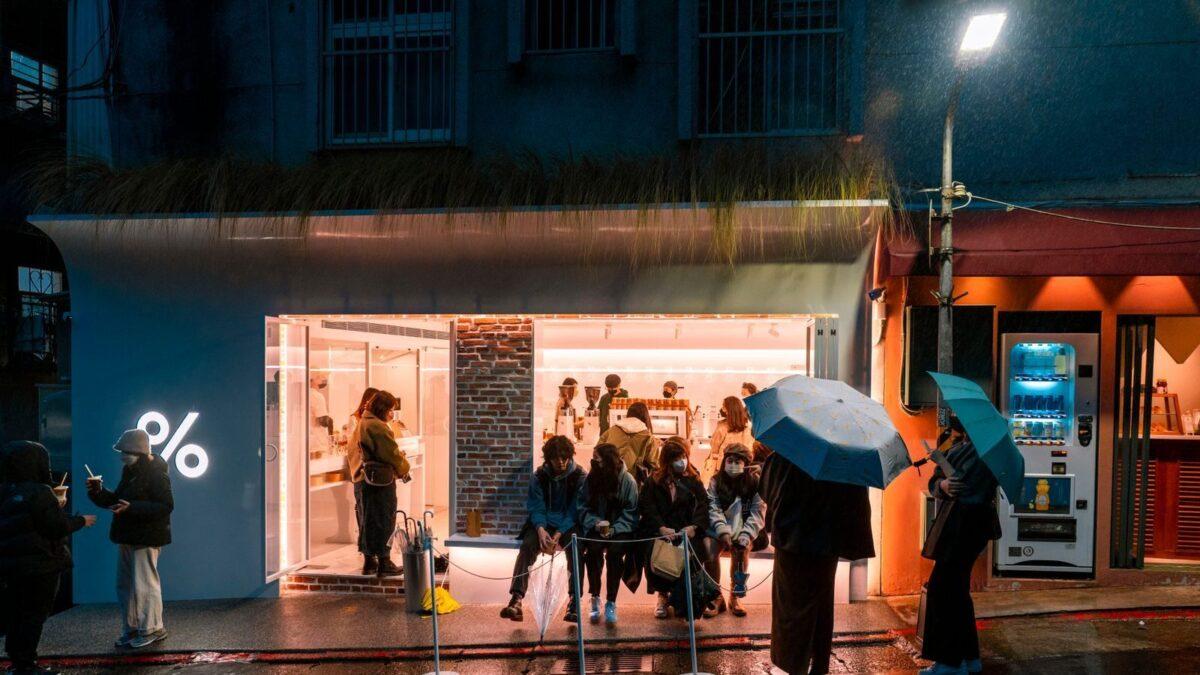
Imagine strolling down a busy street on a Saturday morning with zero plans to spend money. Then you spot a line of twenty people wrapping around the corner outside a small bakery or taco stand—while the shop next door sits completely empty.
Almost without thinking, your pace slows down. You start craning your neck to read the menu board, wondering what could possibly be worth a thirty-minute wait in the cold or rain. Before long, you are seriously debating whether to step into the queue yourself.
That sudden urge rarely has anything to do with hunger or actual need. Several well-known behavioral quirks explain why a long line is one of the strongest magnets on any city sidewalk.
1. We Treat Crowds as Automatic Proof of Quality
When we walk into an unfamiliar neighborhood, we rarely have time to research every storefront. Seeing dozens of strangers willingly give up their time acts as a mental shortcut: if this many people are waiting, whatever is inside must be special.
In behavioral psychology, this is known as social proof—the habit of using other people's choices to guide our own when we lack firsthand information. Even if we have never tasted a single pastry from that shop, the line alone feels like an unspoken five-star review.
2. Fear of Missing Out Kicks In Quickly
A long queue does not just signal quality; it signals that a cultural moment is happening right in front of you. Between local buzz and social media clips, nobody likes feeling out of the loop when everyone else seems to have discovered the next big thing.
That fear of missing out, or FOMO, can override practical logic in seconds. Someone who was not even thinking about coffee or dessert five minutes earlier can suddenly feel compelled to try it, simply because passing it by feels like missing an experience everyone else is sharing.
3. Mystery Creates an Instant Information Gap
When a line blocks the doorway and you cannot see what people are ordering, your brain immediately tries to fill in the blanks. Is there a limited-edition item? A viral recipe? A massive discount?
Curiosity thrives on an information gap—the space between what we know and what we want to find out. The less obvious the reason for the crowd, the stronger the pull to step closer, ask the person at the back of the line, or wait just to satisfy your own curiosity.
4. Scarcity Makes Anything Feel More Valuable
Things that are easy to grab rarely excite us for long. By contrast, anything that appears limited, hard to get, or likely to sell out by noon instantly feels more desirable.
This mental bias, called the scarcity effect, explains why small-batch drops and daily sell-out signs keep people coming back. Having to earn your purchase with twenty minutes of patience can make an ordinary sandwich or iced latte feel like a small prize.
5. We Want to Judge the Hype for Ourselves
Finally, long lines attract skeptics just as much as trend-chasers. When friends or online reviews split between "life-changing" and "overrated," hearing other people's opinions only goes so far.
At some point, the only way to settle the debate is to try it firsthand and form your own verdict. Next time you catch yourself eyeing a crowded sidewalk queue, will you hop in line to see what the fuss is about—or walk straight past to the quiet spot next door?
 Take the quizWhat Kind of Holiday Spender Are You? Take the Black Friday QuizStart →



 Technology · Apps & SoftwareHow to Secure a Home Wi-Fi Network: 7 Steps Cybersecurity Agencies Recommend
 Lifestyle · Food & HealthHigh Blood Pressure: Symptoms, Readings and 5 Ways to Lower It, Experts Say
 Lifestyle5 Subtle Signs You Still Feel Lonely Even in a Crowded Room
 Markets · FintechHow to Calculate Compound Interest: Formula, Examples and the Rule of 72