Boy’s Liver Cancer Vanishes After Engineered Immune Cell Therapy
A 3-year-old boy with chemotherapy-resistant liver cancer showed no remaining disease after two infusions of engineered T cells, according to a report in The New England Journal of Medicine. He was still disease-free 12 months later, though it is a single early-trial case.
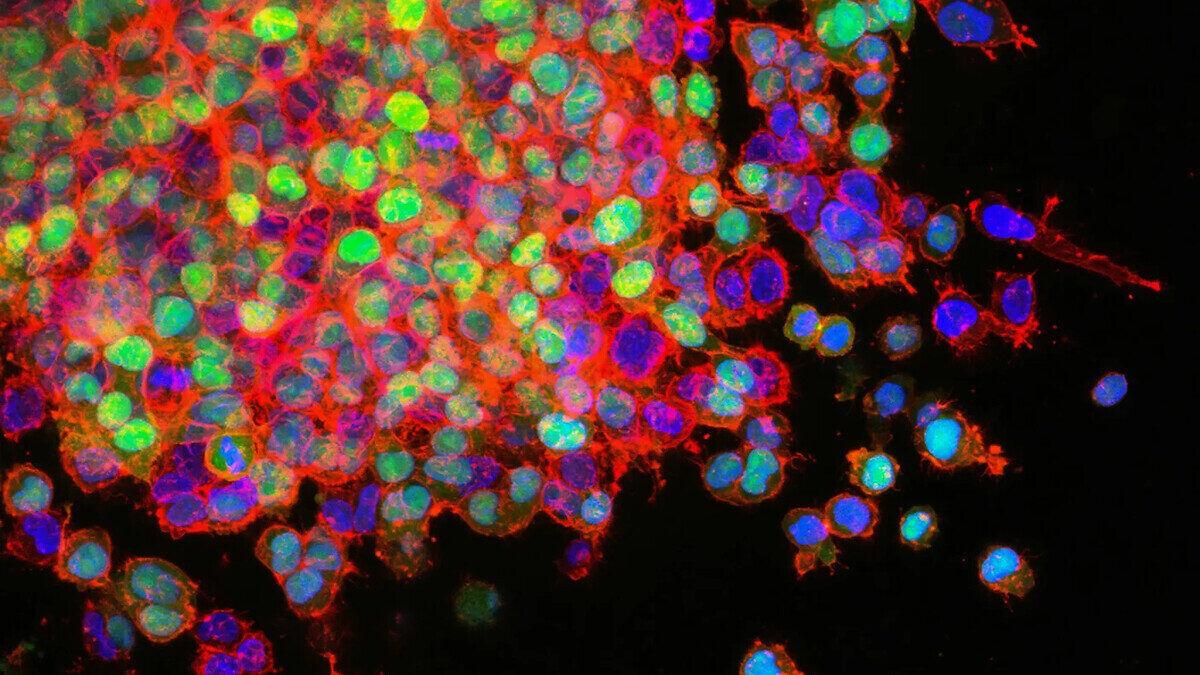
A 3-year-old boy's liver cancer disappeared after doctors gave him two infusions of his own genetically engineered immune cells, researchers reported in The New England Journal of Medicine. He was still disease-free 12 months later.
The case involves hepatoblastoma, a malignant liver cancer, that had resisted chemotherapy. It is one of the first reports of CAR T cell therapy producing complete regression in a solid tumor.
CAR T (Chimeric Antigen Receptor T cell) therapy takes a patient's immune cells and engineers them to hunt cancer. Its success has mostly been limited to blood cancers, not solid tumors.
"This case demonstrates that a durable complete response in a chemotherapy-resistant solid tumor can be achieved entirely in the outpatient setting without systemic toxicity," said first author David Steffin, a pediatric oncologist at Baylor College of Medicine in Houston, Texas.
At diagnosis, the boy had a liver mass measuring 11.2 cm by 9.6 cm by 7.1 cm (4.4 × 3.8 × 2.8 inches). The cancer had spread to his lungs, with signs it had also reached his bones.
He received three rounds of chemotherapy and surgery to remove the primary tumor. Two further operations removed cancer from his lungs. The disease returned quickly, with a new lung tumor.
He was then enrolled in the CARE study, the first human trial of the experimental therapy.
The treatment, called GPC3-CAR, uses his own T cells, engineered to recognize glypican-3, a protein highly expressed in liver cancers. Researchers also added genes for the immune proteins interleukin-15 and interleukin-21, to help the cells last longer and kill tumors more effectively.
After the first infusion, CT scans showed a partial response. Blood levels of alpha-fetoprotein, a protein that signals tumor activity, fell.
Eight weeks later he received a second dose. Follow-up scans showed no remaining disease apart from some residual scarring.
Co-author Andras Heczey, a pediatric oncologist at Seattle Children's Hospital and the University of Washington, said the study "provides evidence that these novel CAR T cells may be a safe and effective modality for hepatoblastoma and highlights the need for further assessment in patients with GPC3+ solid tumors."
The researchers note that liver cancer is the third leading cause of cancer-related death globally.
The result comes from one patient in an early-phase trial, so the therapy's wider safety and effectiveness are not yet known. Testing continues in the CARE study at Baylor College of Medicine and in a similar trial, IMPACT, run through Seattle Children's Hospital.
 Take the quizWhat Kind of Holiday Spender Are You? Take the Black Friday QuizStart →




 LifestyleWhy Do Long Lines Make People Curious? 5 Reasons We Join the Crowd
 Technology · Apps & SoftwareHow to Secure a Home Wi-Fi Network: 7 Steps Cybersecurity Agencies Recommend
 Lifestyle · Food & HealthHigh Blood Pressure: Symptoms, Readings and 5 Ways to Lower It, Experts Say
 Lifestyle5 Subtle Signs You Still Feel Lonely Even in a Crowded Room