Taiwan, South Korea and China Move to Prop Up Stocks After AI Rout
Regulators in Taiwan, South Korea and China announced emergency measures over the weekend after a global selloff in artificial intelligence stocks. Taiwan's index had its worst week since August 1990, and South Korea's KOSPI is down nearly 47% from its June record close.
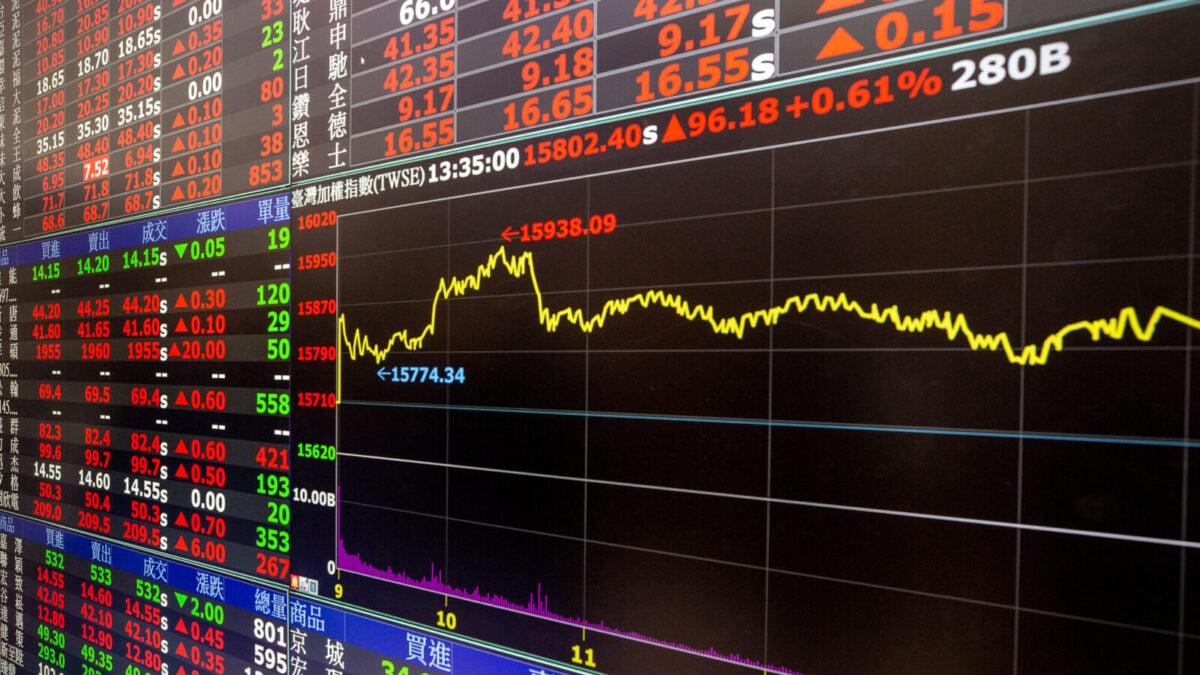
Regulators in Taiwan, South Korea and China announced emergency support for their stock markets over the weekend, after a brutal week for global shares in which a rout in artificial intelligence stocks battered sentiment. The Asian countries take steps as the AI boom that lifted their markets turns into a drag.
The AI trade was already under pressure. Investors worried about debt-fueled financing of AI infrastructure, uncertain returns on billions of dollars of spending, and the possible regulatory effect of a sweeping Democratic victory in the U.S. midterm elections.
Hopes of a rebound rested on quarterly results from Nvidia and a record-breaking initial public offering from AI lab Anthropic. Neither delivered relief.
An unprecedented governance crisis at Nvidia led to the shock departure of chief executive Jensen Huang and overshadowed another blockbuster earnings report. Anthropic rose in its market debut, but the listing did little to ease wider worries.
Wall Street had its worst weekly performance since April 2025, and the S&P 500 slid into correction territory.
Taiwan bans some short-selling
Taiwan's Financial Regulatory Commission said on Saturday that stocks had recently "continued to fluctuate sharply." It unveiled five measures to "maintain the order and stability of the securities market."
They include a complete ban on short-selling below the previous trading day's closing price. The minimum margin rises to 150% from 130%.
The move followed Taiwan's benchmark index posting its worst weekly performance since August 1990.
South Korea and China act on Sunday
South Korea announced emergency measures on Sunday. They include preparations for a market support fund and a temporary easing of corporate share buyback restrictions.
The KOSPI, the country's benchmark, fell more than 5% on Friday. It has dropped nearly 47% from its most recent record close in June.
In China, the Shanghai and Shenzhen stock exchanges acted on Sunday with approval from the China Securities Regulatory Commission. They cut the financing margin ratio, used by investors to borrow and buy securities, to 80% from 100%.
The Shanghai and Shenzhen indexes last closed at their lowest levels since July 2025 and June 2025, respectively.
Taiwan and South Korea house some of the world's biggest contract chipmakers and semiconductor equipment makers, and their markets have grown sharply in value during the AI boom.
 Take the quizWhat Kind of Holiday Spender Are You? Take the Black Friday QuizStart →


 LifestyleWhy Do Long Lines Make People Curious? 5 Reasons We Join the Crowd
 Technology · Apps & SoftwareHow to Secure a Home Wi-Fi Network: 7 Steps Cybersecurity Agencies Recommend
 Lifestyle · Food & HealthHigh Blood Pressure: Symptoms, Readings and 5 Ways to Lower It, Experts Say
 Lifestyle5 Subtle Signs You Still Feel Lonely Even in a Crowded Room