China Eyes South China Sea Control to Deter US in Taiwan Attack
A Japanese Defense Ministry think tank said Friday that China is prioritizing control of the South China Sea to deter U.S. intervention in a Taiwan invasion. The National Institute for Defense Studies urged closer Japan-ASEAN cooperation on defense equipment and technology.
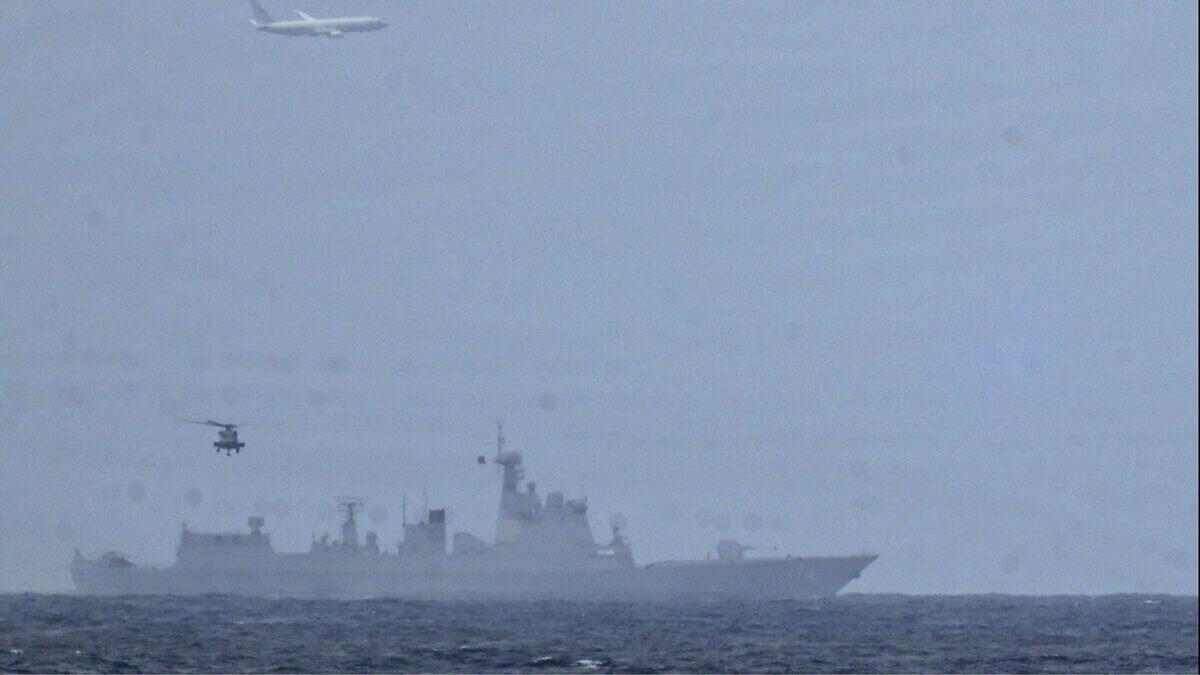
China is increasingly prioritizing control of the South China Sea to deter U.S. military intervention in a potential invasion of Taiwan, a Japanese Defense Ministry think tank said in a report released Friday, November 13, 2026. China eyes South China Sea dominance as a foothold against American power, the report said.
The National Institute for Defense Studies made the finding in its annual China Security Report 2027. The institute said China is strengthening its naval capabilities to project military power far from its mainland.
It called for closer cooperation between Japan and the Association of Southeast Asian Nations (ASEAN) on defense equipment and technology.
Blockade scenario
The report said China wants to secure sea lanes beyond the "first island chain." That chain stretches from Japan's remote southern islands through Taiwan to the Philippines.
If Chinese forces blockaded the Bashi Channel between Taiwan and the Philippines and won air and maritime superiority south of Taiwan, they could gain an advantage in advancing toward the island from the South China Sea, the report said.
It said China's push into distant areas is driven partly by its strategic rivalry with the United States.
Gray-zone pressure on ASEAN
The report also said China has been expanding its influence in the South China Sea by using its coast guard and maritime militia to create "gray-zone situations" that fall short of armed conflict.
Beijing is seeking to exert control over ASEAN countries by linking security and economic issues, the report said. Providing those countries with equipment and technology, including radar systems and patrol vessels, would be an effective counter, it added.
The institute also urged Japan to strengthen cooperation frameworks with Australia, Britain, Canada and other countries to safeguard freedom of navigation.
Tensions in the region
The report came amid persistent tensions in the South China Sea. Beijing's expansive maritime claims overlap with those of some ASEAN members, including the Philippines, which shares Japan's concerns over China's growing assertiveness.
Tokyo-Beijing ties have also been strained since Prime Minister Sanae Takaichi said in November last year that a Chinese attack on Taiwan could prompt Japan's Self-Defense Forces to act in support of the United States. Beijing claims Taiwan, a self-ruled island, as part of its territory.
The report is in its 17th edition. The institute said researchers wrote it based on their own analyses, and it does not represent the Japanese government's official position.