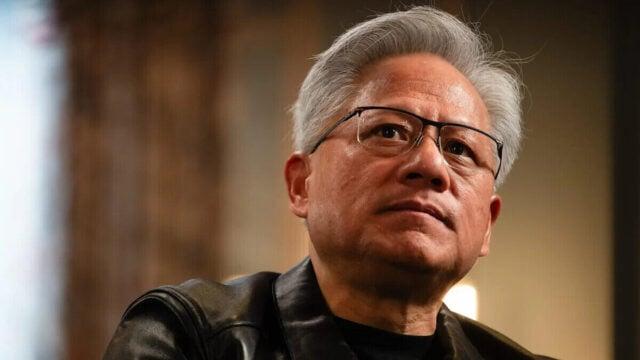
Jensen Huang Quits Nvidia: Rise, Fall of a Leather Jacket-Clad CEO
Jensen Huang resigned as Nvidia chief executive on Friday, Australian time, after reports of affairs, including one with an alleged Chinese spy. The exit ends a 1993-to-2026 run that built a US$4.2 trillion company and rattled funds holding its shares.
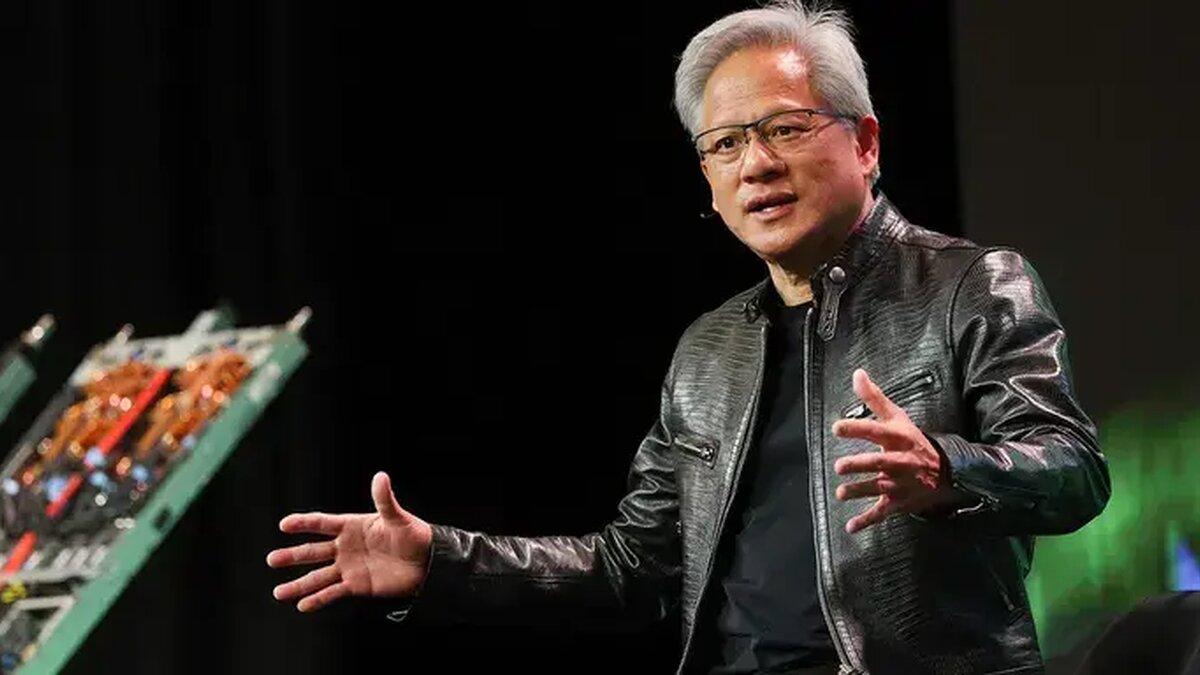
Jensen Huang resigned as chief executive of Nvidia on Friday, Australian Eastern time, ending the rise and fall of the leather jacket-clad founder who built the chipmaker into a US$4.2 trillion company. He had run it since founding it in 1993.
Huang was 30 when he started Nvidia. It listed on the stock exchange in 1999 at US$12 a share.
From gaming chips to AI
For two decades Nvidia was a respectable performer known mostly to gamers. Then ChatGPT arrived in 2022, and the world realized Nvidia's chips were driving the artificial intelligence boom.
Huang went from cult figure to something closer to a statesman. One of his 60-odd leather jackets, which he has worn since the early 2000s, sold at a charity auction in July for US$960,000.
The allegations
The resignation follows reports that Huang had one affair with an alleged Chinese spy and two more alleged affairs with subordinates. The first involved Alice Huang, no relation, the 42-year-old chief executive of Megaspeed. Megaspeed presented itself as a Singaporean company building data centers in Asia.
The Wall Street Journal reported that her husband, Wang Kei, introduced the pair and appeared to tolerate the relationship, according to people familiar with the couple.
In September 2025, the US Commerce Department began investigating whether Megaspeed was channeling billions of dollars' worth of advanced AI chips to China, in defiance of US export law. By that October, US intelligence services had concluded Alice Huang was a Chinese spy, the New York Times reported. They told President Donald Trump, who did nothing, the report said.
The Commerce Department investigation was later moved to another agency after Nvidia intervened.
Market fallout
Nvidia accounts for about 5 per cent of the value of all listed companies worldwide. Its share price drop has taken about a quarter of one per cent off the value of the entire global stock market.
Forbes estimates Huang has lost more than US$10 billion of his net worth. Australian funds including AustralianSuper and UniSuper have about $6 billion tied up in Nvidia.
Data center companies such as Australia's Iren, Firmus and Sharon AI have lost an advocate for the complex financing deals that helped drive their growth. Huang had also been the AI industry's most powerful voice for closer ties between the United States and China.