Community Pushback Helps Scrap or Stall Sydney Data Centre Projects
Residents in Sydney have helped stop or shelve several data centre projects, including an $800 million Lane Cove plan. Governments now face pressure to explain the benefits of AI infrastructure to voters, and the US midterms showed the issue can move votes.
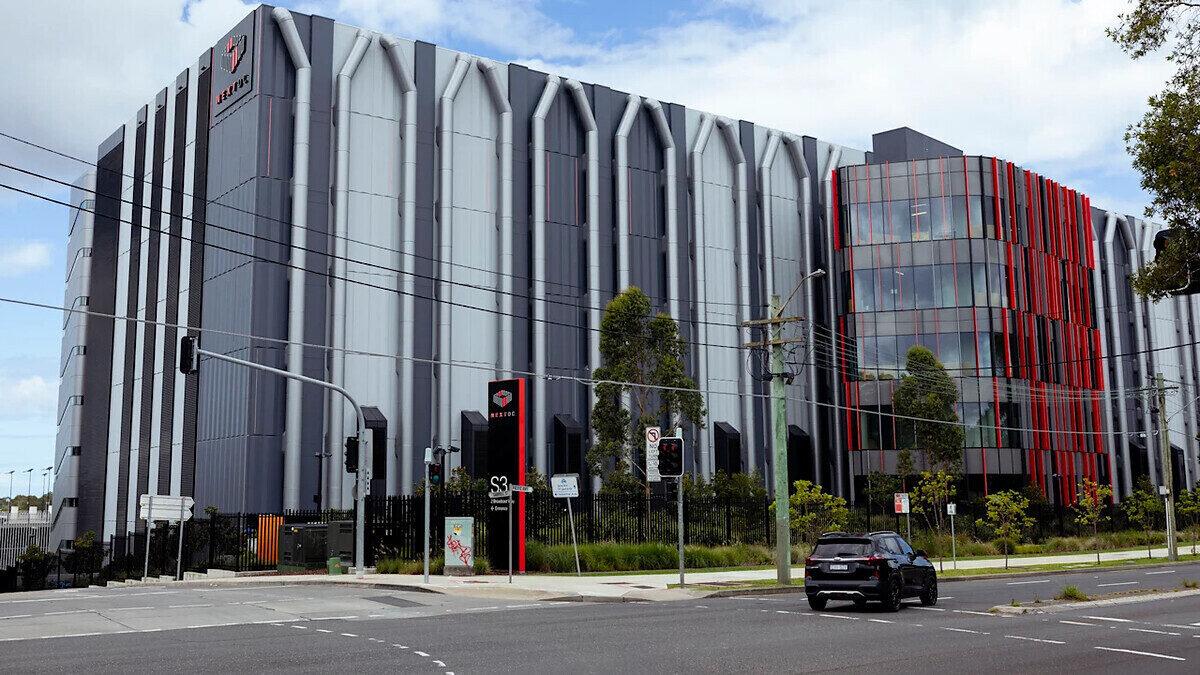
Community pushback on data centres in Sydney has helped scrap or stall several projects in 2026, including an $800 million facility at Lane Cove, in what one commentary published on November 12, 2026 calls democracy at work.
The Goodman Group, an industrial property company, backed away from the Lane Cove plan in September. Residents had protested, and utility providers Sydney Water and Ausgrid raised concerns that the 24/7 centre would strain existing infrastructure and increase electrocution and fire risks.
A string of defeats
Lane Cove is not alone. A proposal for North Katoomba was knocked back after local opposition. A new data centre beside the Cooks River was scrapped after protests by residents of Kogarah.
In western Sydney, a group of mostly young people in their 20s is rallying the community against technology company AirTrunk's $9 billion plan at Kemps Creek. It would be the nation's largest data centre development and sit near three schools. Similar outcomes have occurred in Victoria.
The opposition is not only Australian. Resistance to AI infrastructure construction emerged as a hot-button issue that contributed to the Democrat landslide in this month's US midterm elections.
Billions at stake
Westpac Economics said earlier this year that the boom had made Australia the second-largest investment destination for data centres, after the United States. Investment is estimated to top $155 billion over the coming decade, mostly in Sydney and Melbourne. About 165 data centres operate across Australia now, and 225 are planned.
The New South Wales government credits data centres and renewable energy with lifting business investment and helping keep the state economy out of recession. The commentary argues that governments and AI companies have failed to explain those benefits to voters.
Government response
NSW guidelines now require centres to protect the needs of communities, households and businesses, pay for the energy and water they use, and manage environmental impacts. A parliamentary inquiry this week said smarter planning controls were needed. It wants companies steered to special precincts, avoiding US-style clusters in dense suburbs.
The federal Albanese government has introduced rules forcing data centres to source round-the-clock power from entirely new renewable sources in the same state. The aim is to limit grid impact and avoid price spikes. Deputy Prime Minister Richard Marles said this week that suburbs were the wrong place for data centres and that they should be built a long way from where people live.
The commentary says there may be reasons to build in suburban areas, such as transmission speeds and proximity to power. It adds that AI companies have not made that case to affected communities. It calls the campaigns "evidence of people power and democracy at work".