Gas Prices Dropping Low as US Average Slips Below $4 a Gallon
The US average for regular gasoline fell to $3.94 a gallon, the first reading under $4 since July, according to AAA. Analysts credit seasonal shifts and falling crude prices, and warn that renewed conflict in the Middle East could quickly reverse the relief.
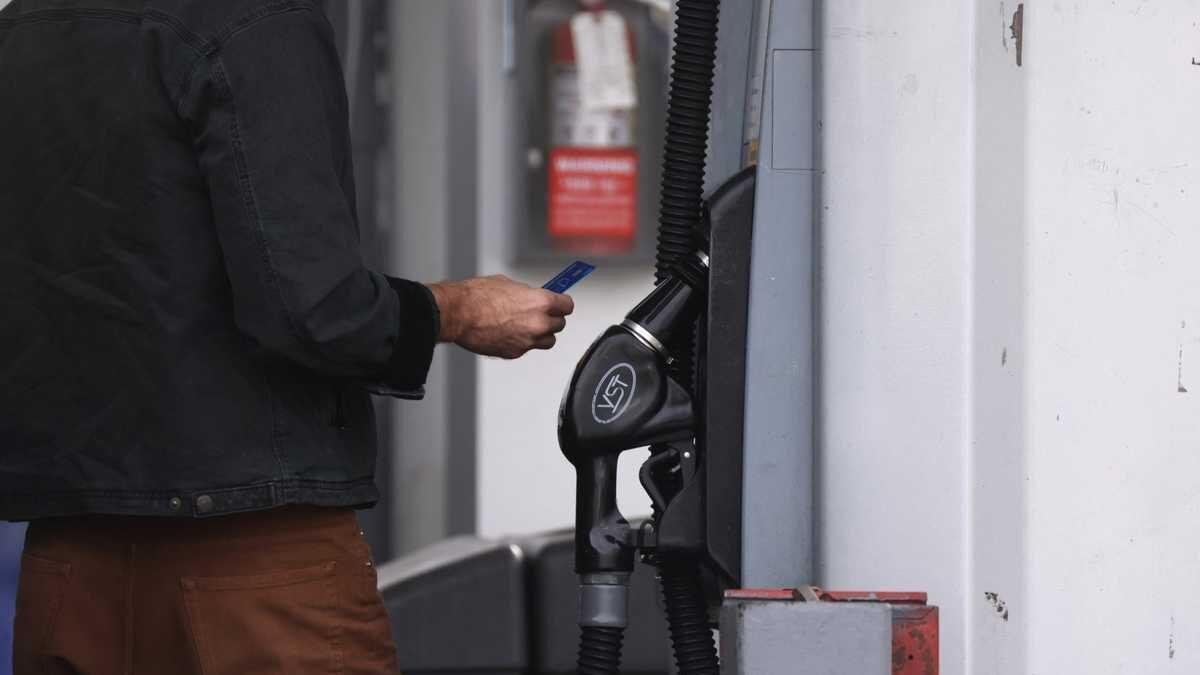
The US national average for a gallon of regular gasoline fell to $3.94 on Wednesday, November 11, 2026, dipping below $4 for the first time since July, according to AAA. Gas prices dropping low is welcome news for drivers, though analysts warn the relief could be short-lived.
The average is 18 cents lower than last week and more than 40 cents lower than a month ago. Much of the decline came in the past two weeks.
Patrick De Haan, head of petroleum analysis at GasBuddy, expects further drops. He predicts prices could fall to between $3.65 and $3.75 by Thanksgiving. Even so, that would still be the highest fuel price on record for the holiday, he said.
Seasonal shift, not politics
The drop follows major midterm election losses for Republicans. Senate Republican Leader John Thune told reporters that voters focused on fuel costs. "I think that had a big impact on our candidates," he said.
De Haan rejected the idea that the election moved prices. "Many will assume the election had something to do with it, but that's a myth," he wrote in his industry newsletter. He pointed to the calendar instead.
"Americans are driving less as temperatures get colder. The switch over to cheaper winter gasoline is making the cost of fuel less," De Haan said.
Refineries also finish their annual maintenance by late fall, which adds supply. This year the Environmental Protection Agency and the Department of Energy moved the switch to winter-blend gasoline to September 1, instead of the usual September 15. They cited prices driven up by the war in Iran.
Crude oil and geopolitics
Jorge León, head of geopolitics at Rystad Energy, said the biggest driver is falling Brent crude, now around $90 a barrel. More oil is coming out of the Middle East through pipelines, he said, and traders have welcomed stepped-up diplomacy between the United States and Iran.
De Haan also cited rising oil traffic through the Strait of Hormuz. President Donald Trump has downplayed the likelihood of a military escalation. "Iran, militarily, is effectively over. We're just keeping it the status quo," Trump said at a press briefing.
León warned the gains could unwind. If the war escalates, "much of last week's oil price decline could quickly reverse," he wrote, and pump prices would follow.
Ukrainian attacks on Russian oil refineries have also contributed to elevated fuel prices. After US-mediated talks this week, Russia and Ukraine agreed to a prisoner exchange, but no major breakthrough on a longer-term deal was announced.
"Until there's some sort of definitive end to these two geopolitical situations, gas prices will likely remain elevated," De Haan said.
Jaime Brito, executive director of refining and oil markets for Dow Jones Energy, said falling crude does not mean a complete return to pre-war price levels. Getting there would require the whole oil supply chain to recover, including ships returning to their normal routes. That process could take months after a lasting peace deal, he wrote.
US envoys are expected to meet separately with Russian President Vladimir Putin and Ukrainian President Volodymyr Zelenskyy as the Trump administration continues its peace efforts.