Water Industry Bonus Ban: Ofwat to Tighten Rules After Payouts
Ofwat said it will tighten the water industry bonus ban after finding that large retention payments and base pay rises appeared to get around the rules. Nine companies in England and Wales were barred from paying bonuses for 2025-26, and a wider review of the rules starts now.
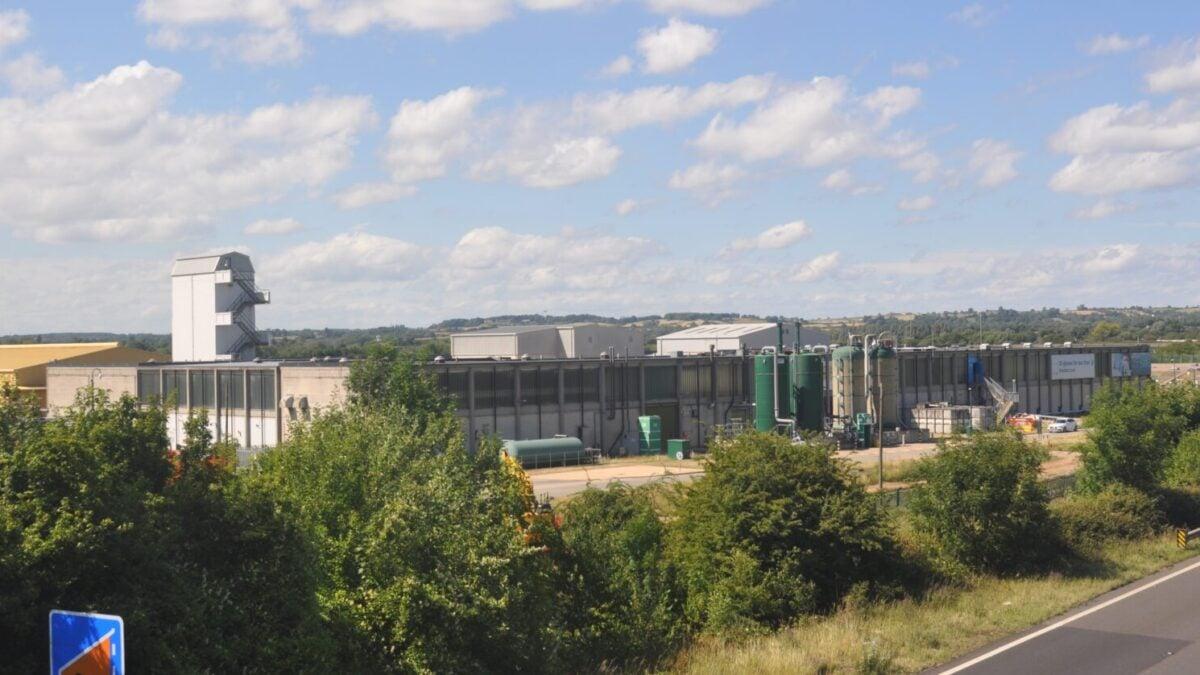
Ofwat, the water regulator for England and Wales, said on Thursday, November 12, 2026, that it will tighten the water industry bonus ban after finding that large payments to executives appeared to get around the rules.
The regulator warned that the industry risked "damaging public trust". It said it would speed up a review of the rules over concerns that companies were deliberately undermining the ban.
Anglian Water singled out
Anglian Water drew the sharpest criticism. Ofwat pointed to "retention payments" worth up to £800,000 for chief executive Mark Thurston, and said the company will face increased monitoring of its governance arrangements.
Ofwat said such payments "could give the impression the company had prioritised offering executive directors a cash award in a way that would not technically breach the rule". In practice, it said, they would replace the performance-related pay the ban prohibits.
It also highlighted potential retention payments of £1m for Thames Water's chief financial officer, £1.5m for Northumbrian Water chief executive Heidi Mottram, and £1.7m for Louise Beardmore, chief executive of United Utilities.
Nine companies barred
Nine water companies in England and Wales were banned from paying bonuses for the 2025-26 financial year, Ofwat said. Seven of the bans related to environmental pollution.
Thames Water and Yorkshire Water were among them. So were Severn Trent Water, Southern Water, South West Water, Wessex Water and Dŵr Cymru (Welsh Water). Ofwat said they would have paid out another £6.5m to executives during the year without the ban.
Thames Water still paid chief executive Chris Weston a previously deferred bonus of £99,000. Ofwat said the utility's future owners, not customers through their bills, would have to cover it. The regulator also criticized Thames for raising executives' base pay.
South East Water was not under the ban. Ofwat said its shareholders will have to pay for future bonuses after supply failures left tens of thousands of households without water during the financial year.
Government response
The Labour government introduced the ban last year amid public outrage over sewage leaking into Britain's rivers and seas. Water bosses' pay has nonetheless risen over the past two years, according to analysis of company disclosures. Campaigners and opposition politicians say firms are using payments that are not performance-related to replace the banned bonuses.
Environment Secretary Angela Eagle said she wanted to "close loopholes" so that "failure doesn't pay". She added: "People are sick of seeing water bosses profit while rivers are polluted and customers are repeatedly let down."
Ministers are also expected to consider whether payments from water companies' parent companies could fall under the ban. The review Eagle described launches today.