Rio Tinto Assures Community on Bell Bay Smelter Jobs to 2031
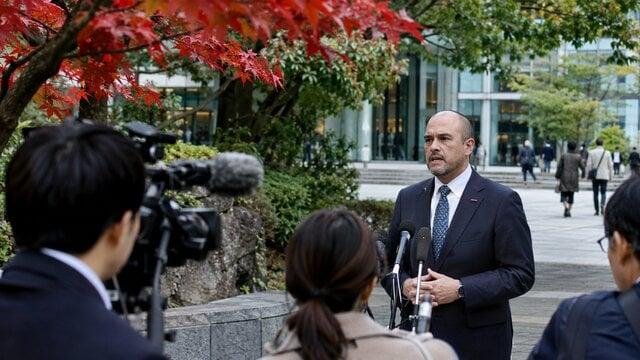
Rio Tinto's aluminium chief Jérôme Pécresse visited the Bell Bay smelter in Tasmania and said the company will keep a minimum workforce until at least 2031 in return for a taxpayer-funded support package of up to $200 million.
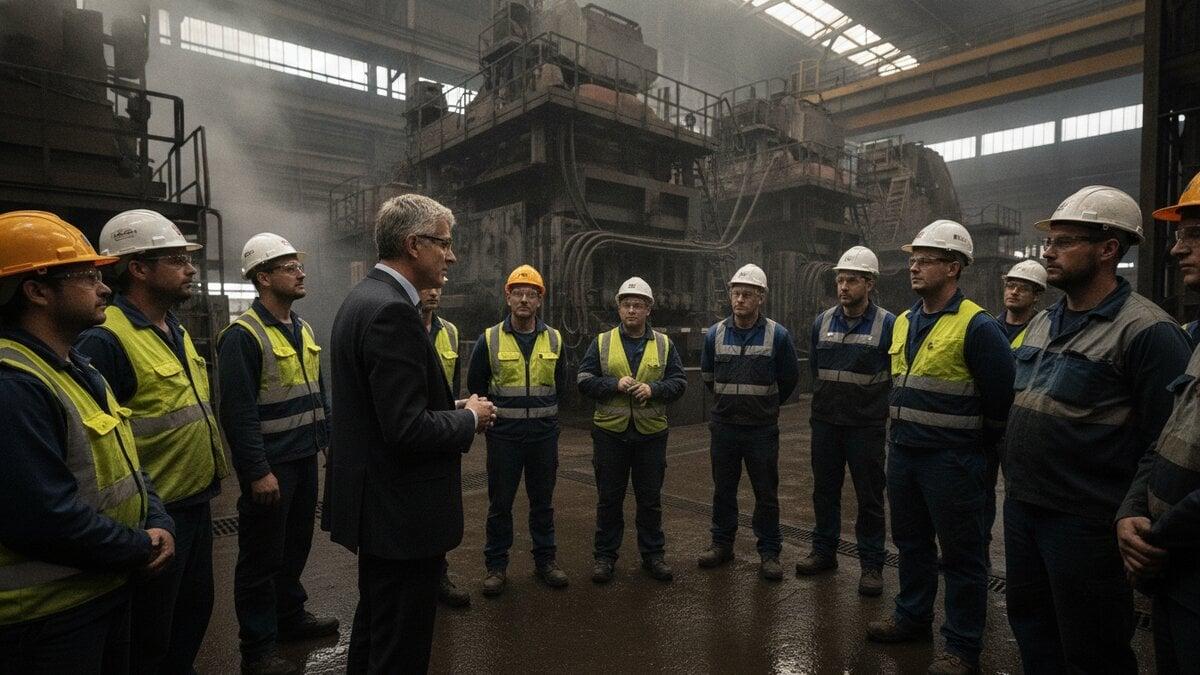
Rio Tinto assures community at Bell Bay Aluminium in northern Tasmania that it will keep a minimum number of workers employed at the smelter until at least 2031, after chief executive of aluminium and lithium Jérôme Pécresse visited the site and met staff.
The commitment comes in return for a taxpayer-funded support package of up to $200 million, announced alongside a new five-year power deal. Pécresse did not say how many jobs are guaranteed.
Jobs figure not disclosed
"I don't think we have disclosed the details of that and so I won't today, but we want to continue to grow with the team," Pécresse said. He confirmed the company has committed to maintain a minimum level of employment and keep investing in the asset through 2031.
The ABC understands the figure varies across the years but is around 500 jobs for the length of the agreement. The smelter employs 550 people and supports a further 1,200 jobs.
How the deal came together
Hydro Tasmania and Rio Tinto spent months negotiating a new power contract for the smelter, south of George Town. The state and federal governments eventually joined the talks. There were fears the 71-year-old plant would close without an agreement.
At one stage, the Tasmanian government said the gap between the electricity price Hydro Tasmania offered and what Rio Tinto would pay was about $60 million a year.
On October 1, three months before the previous deal was due to expire, Prime Minister Anthony Albanese and federal Energy Minister Tim Ayres announced the new arrangement with their state counterparts. Ayres said the package carries "sensible safeguards" and requires Bell Bay Aluminium to keep delivering "green aluminium, jobs and investment in the region".
Support tied to aluminium prices
Pécresse said Rio Tinto may not need the full $200 million if aluminium prices stay high. "There are some provisions, and I can't get into too much detail, where above a certain level of price of aluminium, the level of [state and federal] support disappears," he said.
"For example, at today's aluminium pricing, I don't think the level of support would be granted to Rio Tinto."
Pécresse said the dispute came down to competitiveness. "The problem is you need to have a cost of electricity that competes with the power that is being paid by other smelters that serve the same market as you," he said.
Wider pressure on the region
The region recently lost another major employer. The Liberty Bell Bay manganese alloy smelter closed in July, costing about 200 jobs.
In August, the federal and New South Wales governments agreed a joint $2.5 billion support package for Rio Tinto's Tomago aluminium smelter in the Hunter Valley. Ayres said at the time that if aluminium prices stay at a sustained high level, taxpayers would see a return from that arrangement.
Asked whether Bell Bay has a future beyond 2031, Pécresse said he hoped it would be there for "many more decades to come".