Rupiah Falls to Record Low of 18,241 as Bank Indonesia Intervenes
The Indonesian rupiah fell to an all-time low of 18,241 per US dollar on November 12, 2026. Bank Indonesia said it is intervening in currency and bond markets as a stronger dollar, MSCI risks and political uncertainty weigh on Asia's worst-performing currency this year.
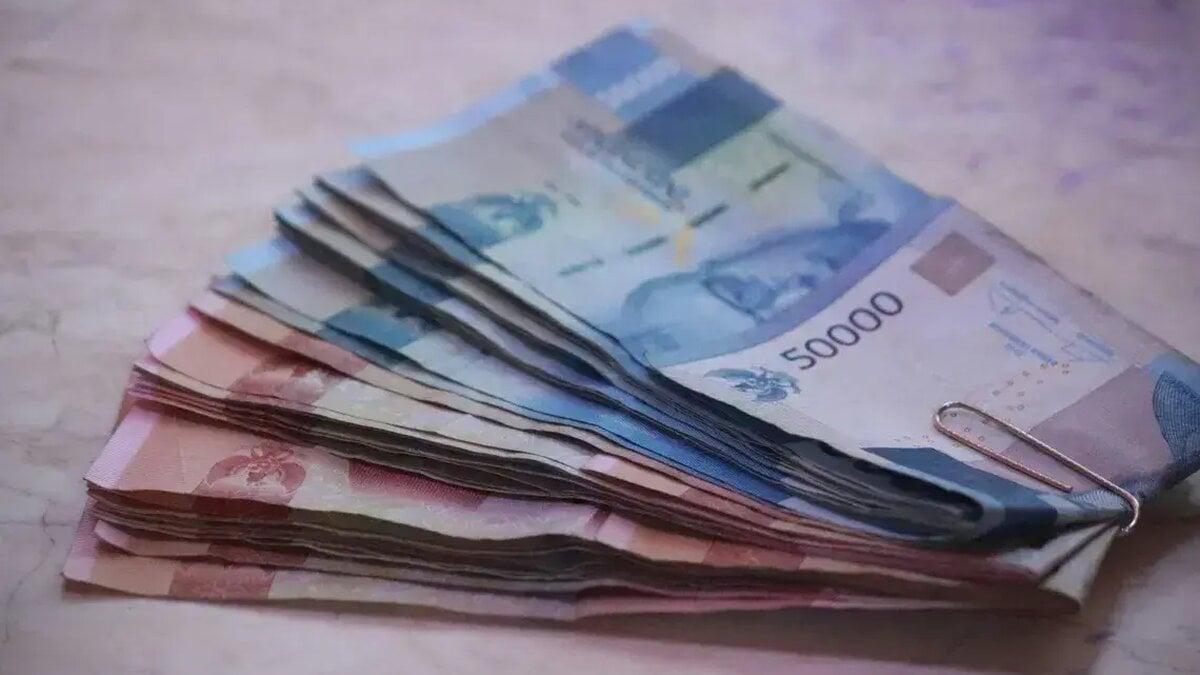
The Indonesian rupiah fell as much as 0.5% to a record low of 18,241 per US dollar on November 12, 2026, and Bank Indonesia said it is intervening in currency and bond markets. The rupiah's drop to a record low spurs Bank Indonesia intervention across several fronts as the sell-off also hits the country's stocks and bonds.
The previous low was 18,190, set in early June. The rupiah is Asia's worst-performing currency this year and has weakened more than 8% against the dollar in 2026.
The central bank said it is active in offshore non-deliverable forwards, domestic non-deliverable forwards and the spot market. It is also buying government bonds in the secondary market. The 10-year bond yield rose four basis points to 7.66%.
"Bank Indonesia remains present in the market to maintain the stability of the rupiah exchange rate, ensuring it aligns with its fundamental value," said Erwin Hutapea, the bank's executive director of Monetary and Securities Management, in a statement.
Dollar strength and MSCI risk
The dollar climbed to an 18-month high on November 11. Traders began pricing in a small chance of a half-point Federal Reserve rate hike in December after hawkish comments from officials and hotter-than-expected inflation data.
Investor sentiment was already fragile. In October, index provider MSCI proposed reclassifying Indonesia as a standalone market. Goldman Sachs Group estimated about US$5.6 billion (S$7.2 billion) of passive outflows if the country's stocks were removed from MSCI's indexes.
Local regulators have moved to head off a double downgrade. They fined companies and individuals involved in stock manipulation, excluded tightly held shares from the benchmark index and improved information on shareholder affiliations. Bank Indonesia said it is monitoring capital outflows following the MSCI announcement.
"The rupiah continues to face relatively poor investor sentiment due to the confluence of unfavourable news headlines and the shift in the outlook for the US inflation and Fed policy," said Homin Lee, senior macro strategist at Lombard Odier in Singapore.
Lee added that MSCI reclassification risk and the central bank's relatively slow tightening cycle are deterring investors looking for value in the currency.
Political uncertainty
Vice-President Gibran Rakabuming Raka's resignation has added to market nerves. Gibran, the son of former President Joko Widodo, had faced growing calls from politicians for his impeachment over questions about his educational credentials.
Galvin Chia, an emerging Asia strategist at Societe Generale, said "the optics around the resignation are negative, the politics remain messy and investor sentiment is still fragile." He said there should be little fundamental spillover from it.