Bangladesh Garment Factories Shut as Workers Protest for Higher Wages
Scores of Bangladeshi garment factories closed on Thursday as workers demanded higher pay, and owners are weighing a "no work, no pay" policy. The unrest, which began in October, threatens an industry worth around $38 billion a year to the world's second-biggest garment exporter.
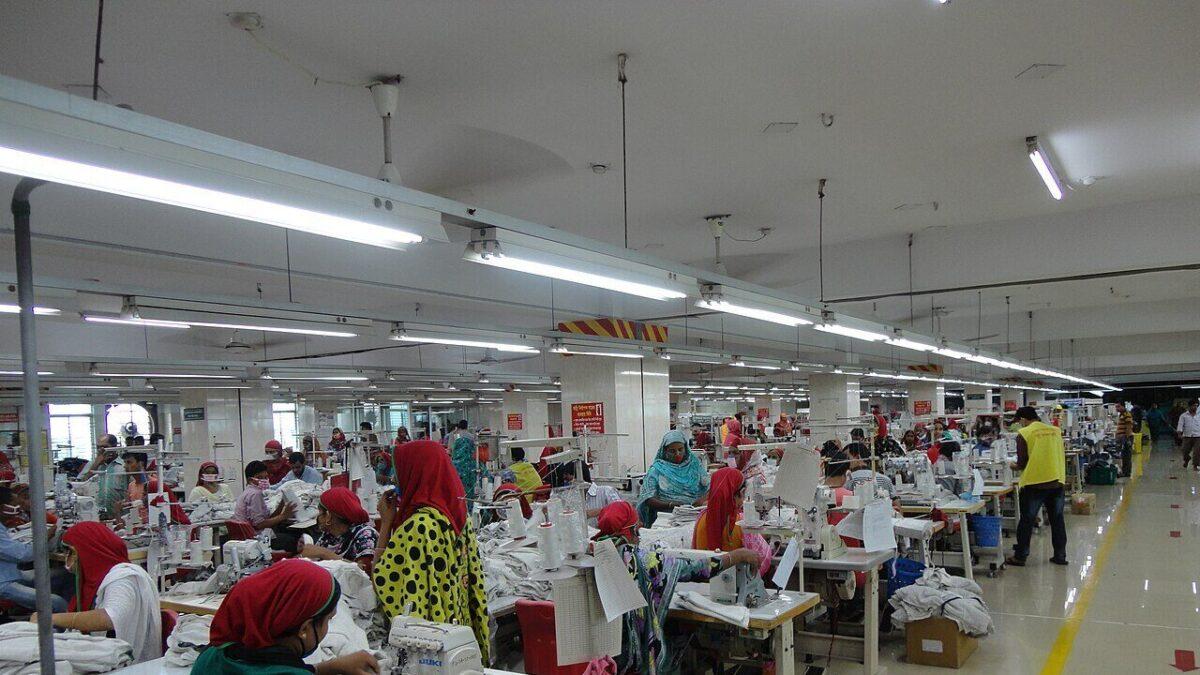
Scores of Bangladesh garment factories were shut on Thursday as workers protested for higher wages, and owners are now considering withholding pay from those on strike.
The unrest began in October. It threatens an industry that earns around $38 billion a year, accounts for four-fifths of Bangladesh's export earnings and employs more than four million people.
Bangladesh, home to 170 million people, is the world's second-biggest garment exporter behind China and supplies major international fashion brands.
Workers in the industrial zones of Gazipur, Ashulia and Savar went to their factories but refused to work. They tried to march into the streets, where police blocked them.
Protests resumed on Wednesday, when sources at the Bangladesh Garment Manufacturers and Exporters Association (BGMEA) said more than 100 garment factories were shut. The association has more than 4,500 member factories.
BGMEA officials held an emergency meeting on Wednesday. They said owners were considering a "no work, no pay" policy.
"The negotiations at the wage board and unrest in factories cannot go on simultaneously," BGMEA president Mahmudul Hasan said, according to the Prothom Alo newspaper. The association has called for calm while wage talks continue.
Bangladesh's garment wage board agreed on November 4 to raise the minimum wage in the sector after days of protests, and factories restarted operations. But the new rate will not be announced until December and is due to take effect in January. Workers do not know how much their pay will rise.
They are demanding a minimum monthly wage of 30,000 taka ($240), a 140 percent increase from the current 12,500 taka.
Garment worker Khanam, who gave only one name, said she went to work on Thursday morning and left again. "We went to the factory in the morning, punched in and came back home," she said.
"I don't think the demonstrations will calm down soon. They will continue until the wage board comes up with a revised and acceptable wage."
Mohiuddin Rubel, additional managing director of Denim Expert Ltd and a former BGMEA director, warned of the cost to the industry. "These disruptions hurt everyone. Businesses lose money, workers lose working days, the economy takes a hit, and buyers start to question Bangladesh as a sourcing destination," he said.
"That damage is hard to undo."