Audit Cracks EU’s Sanctions Wall on Russia Trade Enforcement
The European Court of Auditors says 27 different national enforcement practices let companies exploit loopholes in EU sanctions on Russia. Trade fell to €58.1 billion in 2025, but auditors warn that weak checks in one country can undermine the whole bloc.
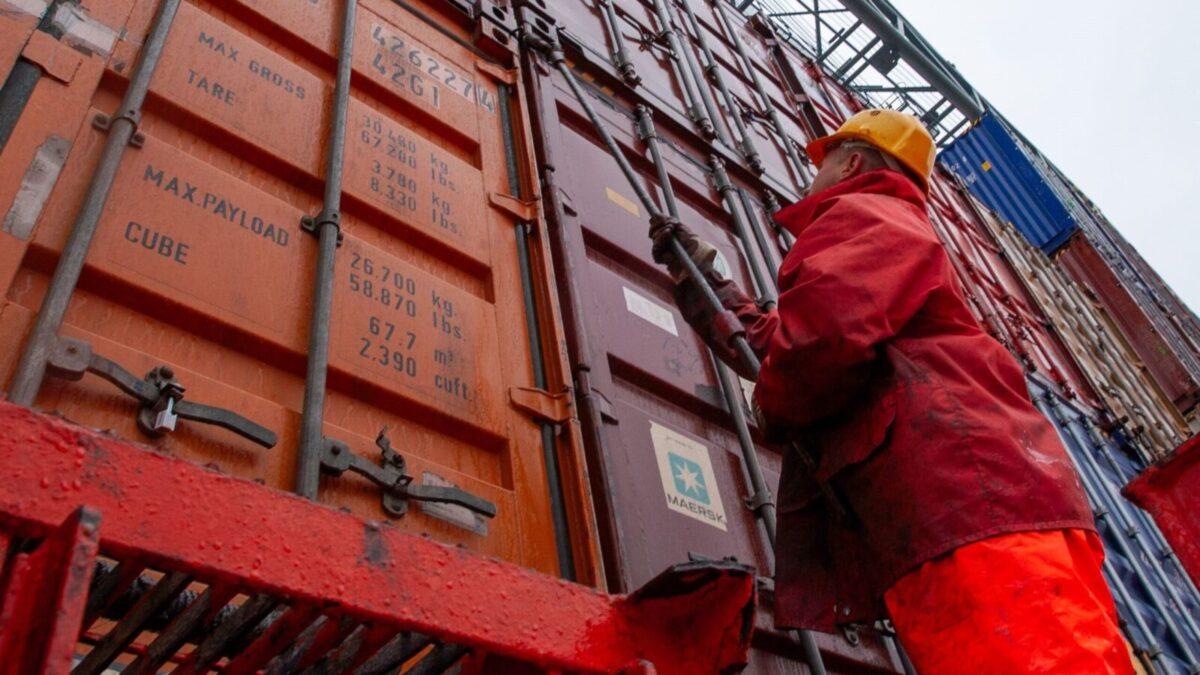
Uneven national enforcement cracks EU’s sanctions wall against Russia, the European Court of Auditors (ECA) said in a new report. The EU sets common sanctions rules for all 27 member states, but each country applies them in its own way.
Nearly five years after Russia launched its full-scale invasion of Ukraine, consistent enforcement remains a challenge. Some countries run customs checks more rigorously than others. They read exemptions differently and do not always share information.
The result, according to the report, is that weak enforcement in one member state can undermine the efforts of the entire Union.
The “forum shopping” risk
The auditors say these differences let companies pick the easiest route. “Divergences in member states’ practices create opportunities for ‘forum shopping’, which can facilitate circumvention,” they write.
The term comes from the legal world, where a claimant picks the jurisdiction most likely to favor them. Here it means firms doing business where checks are lighter or sanctions rules are read more leniently.
Not every gap comes from unwillingness. Some national authorities lack staff, technical equipment or administrative capacity, which limits how thoroughly they can monitor trade flows.
The law itself adds friction. Sanctions rules sometimes use different terminology from customs legislation, and some provisions are ambiguous.
The auditors describe a built-in trade-off. Flexible wording helps governments reach a political deal, but it can also open loopholes. “The trade-off is clear: it can lead to the uneven implementation of the measures and increase the risk that economic operators may be able to exploit loopholes across borders,” the report says.
What the sanctions have achieved
The criticism does not mean the measures are ineffective. Total goods trade between the EU and Russia fell to €58.1 billion in 2025 from €257.5 billion in 2021.
EU exports to Russia dropped 69 percent, from €99 billion to €30.2 billion. Imports from Russia fell 83 percent, from €163.6 billion to €27.9 billion.
European Commission estimates put the economic impact of export bans and restrictions on goods and technology at €49 billion by July 2026. Import restrictions accounted for roughly €110 billion.
Direct trade in critical and high-priority items, including dual-use goods, has almost halted since 2023. Moscow has still rerouted some supplies through third countries, particularly China. Sanctions have changed those routes and made imports more expensive, but they have not stopped the trade altogether.
The EU is also using measures aimed at sanctions circumvention. Their effectiveness varies, according to the report.