Nvidia Shares Fall 8% After Reports Board Weighs Ousting Huang
Nvidia's board is reportedly weighing whether to oust CEO Jensen Huang after reports of an espionage plot and a second alleged affair. Shares fell about 8% after hours, and the company has no obvious successor, analysts say.
Nvidia chief executive Jensen Huang is under pressure after reports on November 12, 2026 that the company's board is weighing whether to oust him, and the chip maker has no obvious successor.
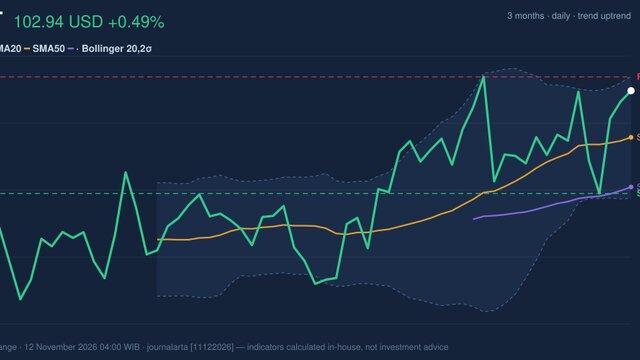
Nvidia's share price dropped about 8% in after-hours trading following the first reports that the board was preparing to remove him. That left the stock 33% below its peak in early October.
From public backing to a board meeting
When reports of an espionage plot against Huang first emerged, Nvidia stood by him. Spokesperson John Rizzo said in a statement that Huang was committed to keep leading the firm "without interruption".
Nvidia also said it had "no reason to believe" that US national security or company secrets had been compromised. That statement came before its probe into Huang's romantic relationship with a suspected Chinese spy was even underway.
Two days later, the board is reportedly meeting to decide his fate. Overnight, a second report said Huang had an extra-marital affair with Kimberly Powell, Nvidia's vice-president of health care, who also reported to him.
Shares in the multi-trillion-dollar company tumbled this week. Nvidia and Huang also face a proposed class action accusing them of defrauding shareholders.
No obvious successor
Huang has run Nvidia since it was created 33 years ago. He is co-founder, president and chief executive, and about 60 executives report directly to him.
He once said he did not believe in succession planning, according to a Wall Street Journal report. He is also the only Nvidia insider on the board, which has no permanent chair. A lead director is chosen each year by a majority of board members.
Tech analyst Dan Ives said: "Jensen is not replaceable … there is no other person on the management team bench that can step in seamlessly as CEO."
Ryan Mac, a New York Times tech reporter who helped break the story of the second alleged affair, said it was "incredibly unclear" who would be tapped to succeed Huang if he left.
Why it matters beyond Nvidia
Nvidia is a leading developer of graphics processing units, the hardware that AI companies such as OpenAI and Anthropic rely on. At its peak in early October, its market value hit US$5.7 trillion.
Investment analyst Jun Bei Liu said Huang's exit could leave the chip maker and the wider AI trade in a more precarious position. "He's the face of Nvidia and Nvidia has been front and centre of the AI build-out," she said.
Liu pointed to the many new cloud data centre businesses sponsored by Nvidia in what she called a circular financing world. "There's just a lot of uncertainty to come," she said.
Huang has also become a close ally of US President Donald Trump. He has been to the White House at least five times since Trump returned to office and accompanied him on a trip to Beijing months ago.
Mac said Huang "sets the tone when it comes to AI regulation or lack thereof". Elon Musk has already suggested he would hire him, according to the report.