Victoria Budget Update Forecasts $33.3 Billion in Deficits Before Election
Victoria's final budget update before the November 28 election forecasts $33.3 billion in cash deficits over the next government's term and weak growth. S&P Global Ratings doubts the Coalition's surplus pledge, while economist Saul Eslake calls budget repair a "Herculean task".
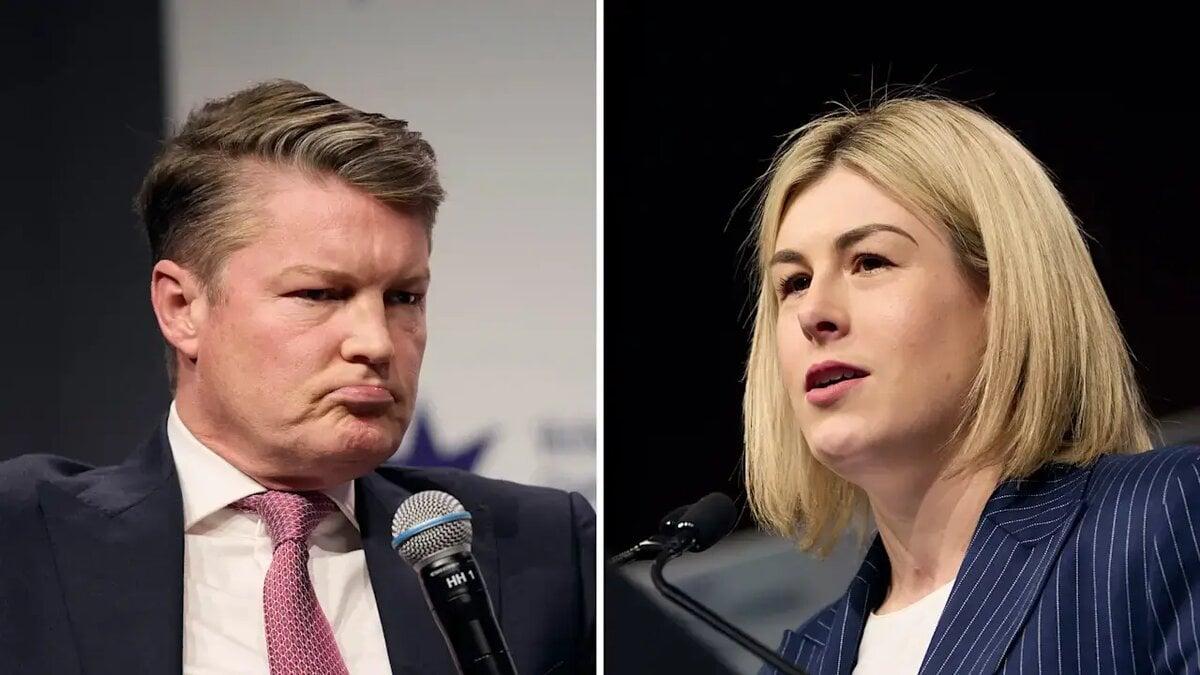
New budget figures set a Herculean task for Victoria's next government, with the state forecasting cash deficits of $33.3 billion over its term, according to the final budget update before the November 28 election.
The update, released Thursday, also pointed to anaemic economic growth held up by construction of new data centres. A leading rating agency said it makes the Coalition's promised cash surplus "very difficult" to deliver.
Economist Saul Eslake described budget repair as a "Herculean task".
Deficits and weak growth
Operating surpluses improved modestly since the last fiscal report in October, helped by a surprise $1.3 billion dividend from WorkSafe.
Once capital spending is counted, the general government sector will post annual deficits of between $7.9 billion and $9.1 billion until the end of June 2030. That is a deterioration of $2.8 billion since the books were last done.
Treasury now expects the economy to grow by 1 per cent this financial year, down from 1.5 per cent in the May state budget. Growth is not due to reach 2.5 per cent until 2029-30.
The 2026-27 financial year is forecast to record the lowest growth outside the pandemic since 2008-09. Victoria's economy is being battered by high inflation and cuts to immigration.
Unemployment is forecast at 5.25 per cent over the next two years, compared with 4.75 per cent in the budget. Treasury blamed that and falling consumer spending on lower population growth, "persistent" inflation and five Reserve Bank of Australia cash rate hikes since February.
Doubts over the surplus pledge
S&P Global Ratings lead analyst Anthony Walker said Victoria relies heavily on new migrants and population growth, both of which are falling because of policy decisions in Canberra. He doubted the opposition's promise to return to a cash surplus by 2032.
"It's going to be very difficult to achieve unless there's a significant amount of savings throughout the operating accounts or a major reduction in capital," Walker said.
Eslake called a cash surplus an essential first step towards debt reduction. He said Opposition Leader Jess Wilson's claimed savings, after new spending and tax cuts, are "chump change" against the forecast deficits.
"It will require significant cuts in government spending, not necessarily from current levels, but certainly from what is projected over the four years," Eslake said. He added that whoever wins will lack a public mandate for such cuts because neither side has spelled out its plans.
Treasurer Colin Brooks said Treasury modelling shows federal migration changes would cost the state economy $7 billion and 20,000 jobs over four years. "This is a serious concern for us as Victorians because international education is one of our key exports," he said.
The update said growth would be "primarily driven by data centre investment", alongside renewable energy projects.