Beaverville Testing Finds Legionella, Chlorine Gaps in Home Water
Virginia Tech professor Marc Edwards found Legionella in one Beaverville, Illinois, home and no detectable chlorine in two. The village disputes the scope, saying the bacteria are isolated, while state regulators have cited it for low chlorine in its system.
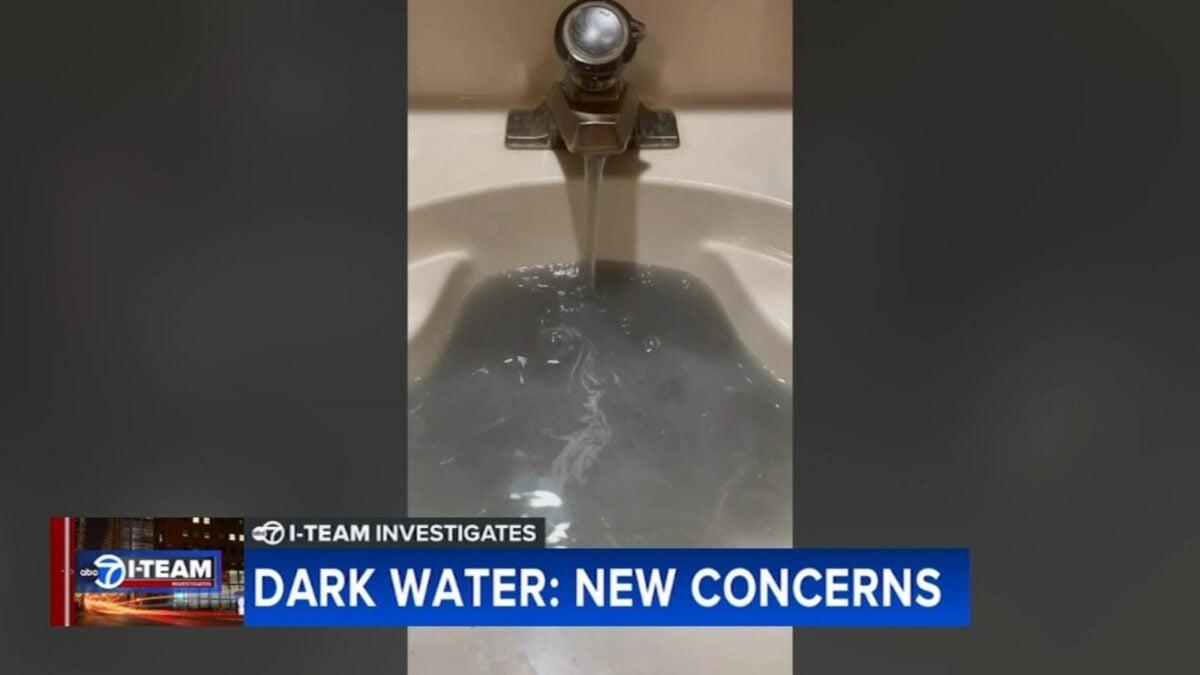
New testing by water expert Dr. Marc Edwards found Legionella bacteria in one home in Beaverville, Illinois, and no detectable chlorine residual in two homes, adding to water problems residents have reported for more than a year. Edwards is a Virginia Tech professor known for his work exposing the Flint, Michigan, water crisis in 2015.
Legionella can cause Legionnaires' disease. Experts say a lack of chlorine can contribute to bacterial growth.
Edwards tested the home of resident Kathleen Butron and a neighboring house. Legionella turned up only at Butron's.
"We found detectable legionella throughout her plumbing system," Edwards said. "We also sampled the neighbor's house and found there was no chlorine residual going from the main system into either home on that street."
Resident's illness and loss
Butron said her family was affected. "All four of us had gotten sick," she said. She said her mother-in-law died from pneumonia.
No connection to the water has been proven. Butron shared medical records that she said showed a "probable Legionella exposure."
Regulators and the village
The Illinois Environmental Protection Agency issued a violation notice to the village for low chlorine residual reported by its community water system in a sample from its distribution system. That sample was taken in August, the same day Edwards conducted his testing.
Earlier this year, the U.S. Environmental Protection Agency issued 14 violations to the village. One involved chlorine levels that fell below the required minimum more than 60 times during a recent year-and-a-half period.
"Between the EPA statement, the May violations and Butron's testing, I mean, the chlorine issue is not just an isolated issue," Edwards said. "This is a concern."
Ross Secler, an attorney for the village, said officials learned of the results only when reporters shared them. He said the village believes the Legionella finding is isolated to Butron's residence. He noted that separate testing at a nearby home showed regular chlorine levels.
"It's something that the village is actively working on for sure," Secler said. "And that's why we're continuing to test."
The village said it has spent $100,000 rehabilitating its water system and has not received recent reports of dark water. Health experts earlier pointed to high manganese and iron levels but said those were not considered dangerous.
The U.S. EPA said Legionella issues should be handled by the state health department. Butron has reported the issue.