Google’s Android XR Glasses Redact Faces by Default in Hands-On
Samsung-built smart glasses from Warby Parker and Gentle Monster run Google's Gemini through Android XR. In hands-on demos they translated speech live, blurred bystanders' faces and refused to identify people, privacy choices Google's product chief says go beyond an indicator light.
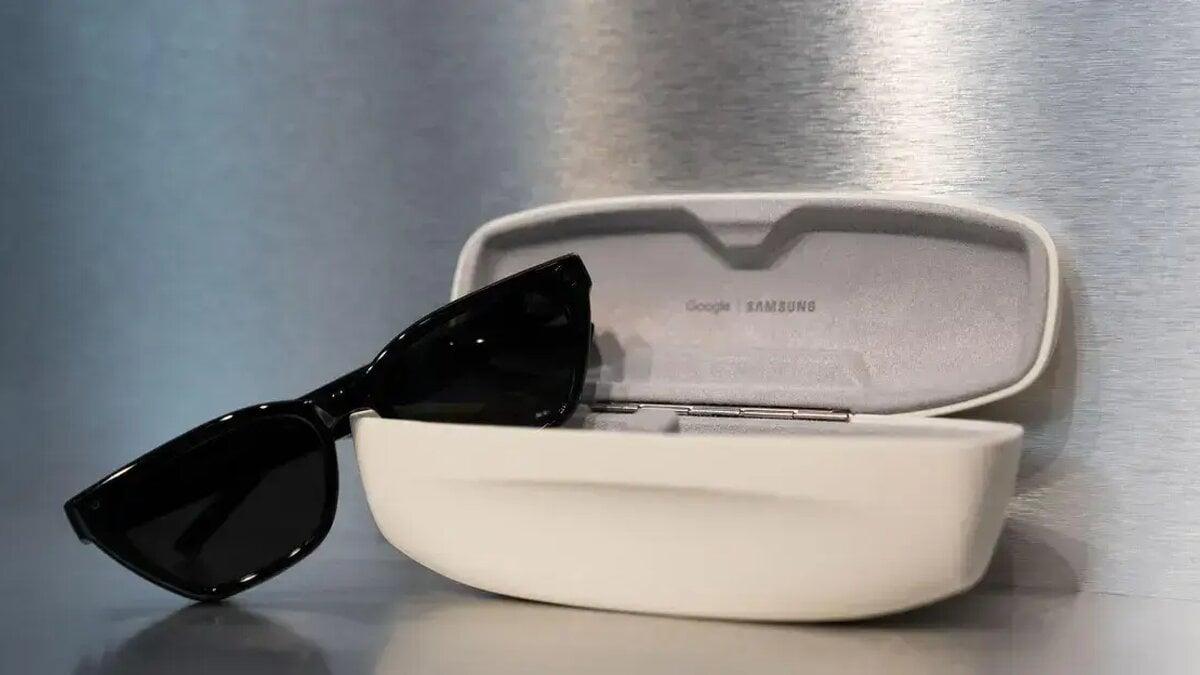
Google's new Gemini-powered smart glasses redact bystanders' faces from photos and video before anything reaches a server, according to hands-on demos of Samsung-built frames from Warby Parker and Gentle Monster. A reviewer who tried Google's glasses and Meta's rival models said the AI features outperformed expectations.
Google and Samsung plan to release the glasses in December, with prices starting at $395, according to reports around the launch.
What the glasses do
All the frames were made by Samsung and run Gemini through Android XR, Google's platform for smart glasses and mixed-reality headsets. Warby Parker's designs lean retro. Gentle Monster's have a bolder, Y2K look, and the pair used for photo samples has a 12MP camera.
The reviewer tested live translation in a crowded setup. In one demo, words blared in French, Spanish, Korean and German while a TV chef spoke Korean and people talked behind him. Pressing two fingers to the temple made Gemini translate each language in real time.
In another, an English speaker and a Thai speaker talked at a table, and the glasses rendered both into Japanese correctly. The user did not have to name the languages first.
The reviewer said a similar scene had tripped up the translation on Meta's Ray-Ban Display during a vacation. Meta's glasses also require downloading a specific language pair. Android XR did not.
Privacy choices
Smart glasses have a reputation problem. Meta's models drew the nickname "pervert glasses", according to the reviewer, who called the category more unpopular than ever.
Google's glasses automatically redact faces from any photo or video. When the reviewer asked Gemini to identify a colleague, it said it knew it was looking at a person but could not name him because of privacy protections. It declined to name a person in a photo, too. Meta's glasses cannot do this, the reviewer wrote.
The Warby Parker and Gentle Monster models have a privacy LED that lights up whenever the glasses intend to save visual data. As with Meta's glasses, they will be disabled if tampering is detected.
Juston Payne, Google's senior director of product management for XR, said the company wants to go further. He said someone may find a way to defeat the LED that Google's algorithms cannot detect.
"We’re not going to target ads on it. We’re not going to train Gemini on it. Humans aren’t going to be able to use it to improve the models," Payne said.
Bystander conversations will also be scrubbed, Payne said. The glasses will process only the wearer's voice, using beam-forming microphones, and camera and microphone access will require opt-in permissions.
The reviewer called locally redacting faces and ambient audio a conscious choice to give up a valuable source of training data. Payne said Google plans to use its entire platform to discourage misuse.
"We’re also redacting faces before they actually go to the server in the first place, which then gets ahead of certain things that can obviously go sideways if you don’t take those steps proactively," Payne said.