Chinese Car Giant BYD Apologizes for Reversed Wheels on SUVs
Chinese car giant BYD apologized after some Great Tang electric SUVs left the factory with front and rear wheel rims swapped. The company blamed a Hubei-based supplier, said handling was unaffected and offered owners replacements with a restarted warranty.

Chinese car giant BYD apologized on Thursday, November 12, 2026, for an assembly mistake that left some of its Great Tang electric sport utility vehicles with the front and rear wheel rims installed in reverse.
The company said in a statement on its official Weibo account that an investigation traced the problem to a supplier based in Hubei. BYD said it has fixed the system responsible, and the supplier has added visual inspections on the production line.
What BYD is offering owners
BYD said its own testing found the affected vehicles' handling was not compromised and there was no safety risk. Owners of affected cars are eligible for replacement, and the warranty period will restart. The automaker did not disclose how many vehicles were involved.
The error surfaced after several owners complained online. They said the wider rear-wheel rims had been fitted to the front and the narrower front rims to the back. Some worried about excessive tire wear and safety risks while driving.
A key model
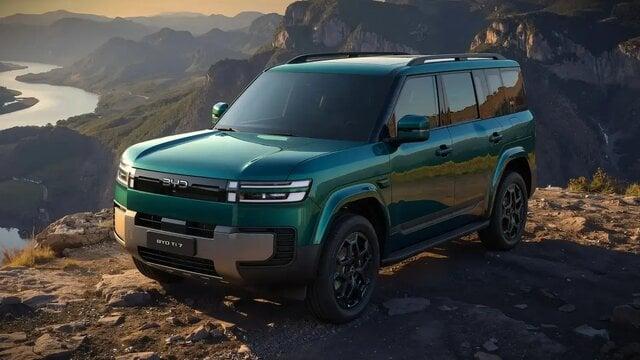
The full-size Great Tang SUV is the flagship of BYD's Dynasty lineup. It is priced from 239,900 yuan ($52,506) and is vital to the carmaker's push into higher-priced vehicles. The model has been popular since its July launch, and BYD said October sales reached about 14,000 units. It is not yet sold in Australia.
No safety incidents have been reported. Still, the slip touches a sensitive subject in China's auto market, where the industry faces growing regulatory scrutiny over quality and durability. That includes stricter standards on door handles, advanced driver-assistance technology and batteries.
Currency pressure abroad
The episode comes as Chinese electric-vehicle makers push into overseas markets to escape a domestic price war. They are also grappling with a stronger yuan, which has risen 4.6 per cent against the dollar this year, making it Asia's second-best performer.
Geely swung to a net foreign-exchange loss in the first nine months of the year, from a gain a year earlier. That limited its net profit growth to 6.7 per cent, from 41 per cent at the core level.
BYD, China's biggest carmaker, took a 1.14 billion yuan ($171 million) hit to cash from exchange-rate movements. Roughly 40 per cent of both companies' third-quarter deliveries went overseas, leaving their bottom lines more exposed to currency swings as domestic demand weakens.