Policing Protests: France’s Student Movement Echoes New Caledonia
Researchers say France has met its autumn student protests with arrests, curfews and tear gas rather than dialogue, mirroring the response to the May 2024 unrest in Kanaky-New Caledonia. More than 5,000 students were arrested in one week.
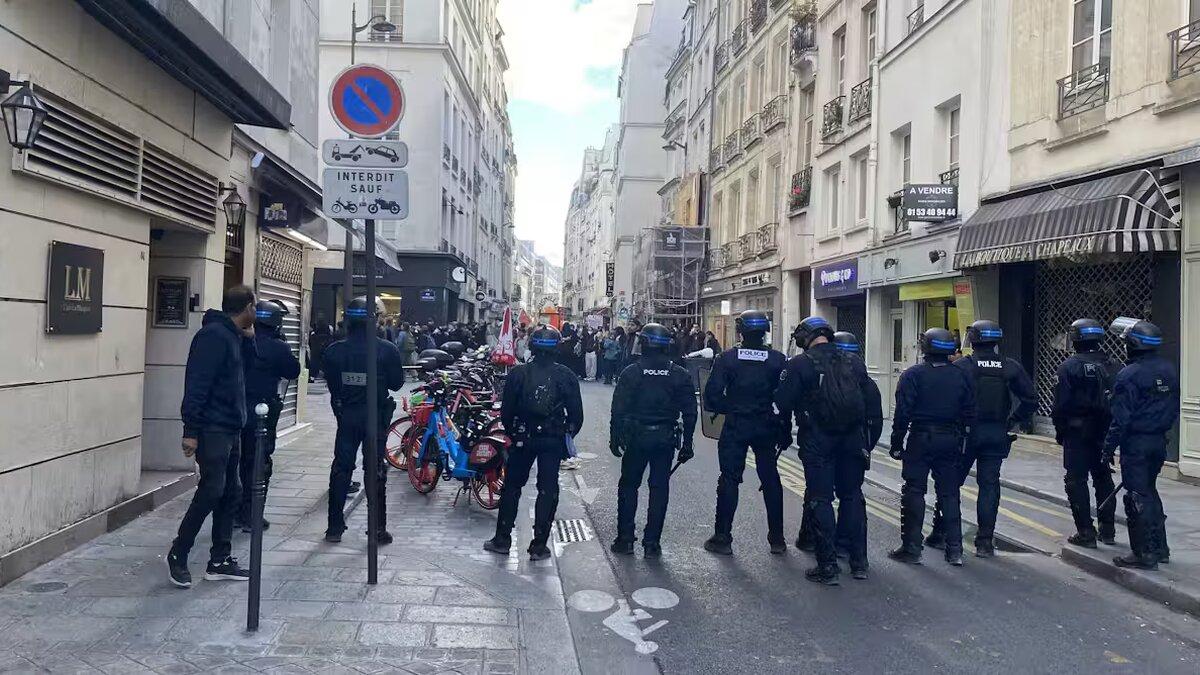
French authorities have answered this autumn's student protests with arrests, police violence, curfews and restrictions rather than dialogue, according to an analysis of policing protests and France's student movement published on November 12. The researchers draw direct parallels with the response to the May 2024 insurrection in Kanaky-New Caledonia, France's semi-autonomous Pacific territory.
The student movement began on August 31 in Mayotte. It then spread across France to more than 700 schools and to universities.
Scale of the protests
On October 17, between 500,000 and 800,000 people demonstrated in France. On November 5, the figure reached up to 1.6 million.
Protesters cite poor education, unemployment and discrimination that limits opportunities. High school students have asked for replacements for absent teachers, steady heating in winter and smaller classes. Those protests have been relatively peaceful, the researchers say.
Blockades and demonstrations were swiftly suppressed with tear gas and breakout grenades, which are prohibited across much of Europe, they add. Violent clashes also broke out between police and so-called casseurs, mostly apolitical youths who, the analysis says, were radicalized by discrimination, immigration politics and school failure. Some destroyed infrastructure, looted supermarkets and attacked schools and public buildings, including the town hall in Limoges.
Four parallels with New Caledonia
The authors identify four parallels with the 2024 unrest, which began as pro-independence demonstrations against an electoral bill and turned violent. It left 14 dead: 12 citizens, mostly young Kanak activists, and two police officers.
The first, they say, is a military-style response to dissent aimed at reclaiming "public order". In one week, more than 5,000 students, many of them minors, were arrested. The researchers say that is more than in any other social movement in French history, and that it was perceived as intimidation.
Several schoolchildren were severely injured, which prompted stronger dissent, and the "yellow vests" soon joined. After the violence of October 17, France's Interior Minister deployed the army and anti-terrorist special forces. Young protesters faced prolonged detention, often in poor conditions, and several demonstration requests were refused. Curfews were imposed.
France's national human rights body has documented disproportionate repression by security forces in France in October 2026 and in Kanaky-New Caledonia in May 2024, the analysis says. The researchers add that media coverage highlighted the casseurs' violence while police violence was often downplayed.
The measures in the Pacific territory went further. Curfews there lasted more than six months, and a state of emergency and a TikTok suspension each ran for around two weeks. The ratio of police deployed was four times higher in 2024 than in France in 2026, according to the authors.
Young people are also protesting in Greece, Spain and other European countries. In both France and Kanaky-New Caledonia, the researchers say, protesters feel their voices and demands are not being heard.