Ebola Response in Congo Loses Millions of Dollars, MSF Warns
Médecins Sans Frontières says hundreds of millions of dollars meant for Ebola control in Congo are not reaching the people who need them. Health workers go unpaid, ambulances run out of fuel, and more than 5,400 people have died since May.
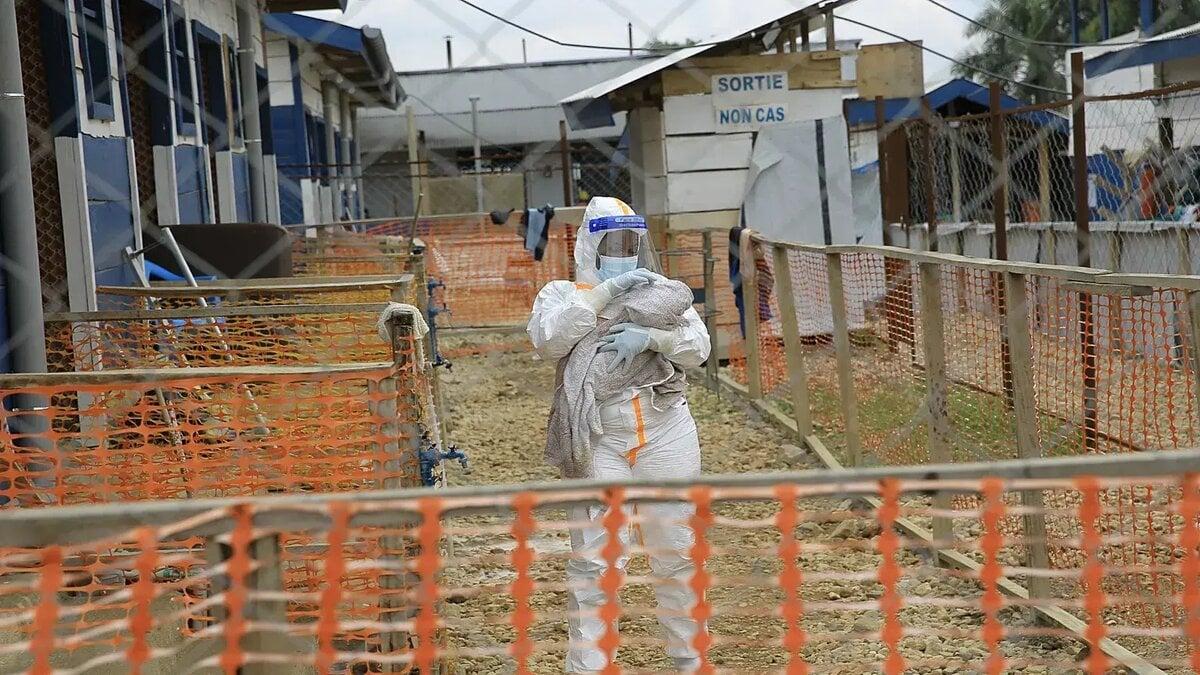
Médecins Sans Frontières (MSF) warned on November 12, 2026, that hundreds of millions of dollars meant to fight Ebola in the Democratic Republic of Congo are not reaching the intended recipients, even as the outbreak remains "out of control".
More than 5,400 people have died and 11,000 have been infected since the outbreak was declared in May. That makes it the second-most deadly Ebola outbreak ever recorded.
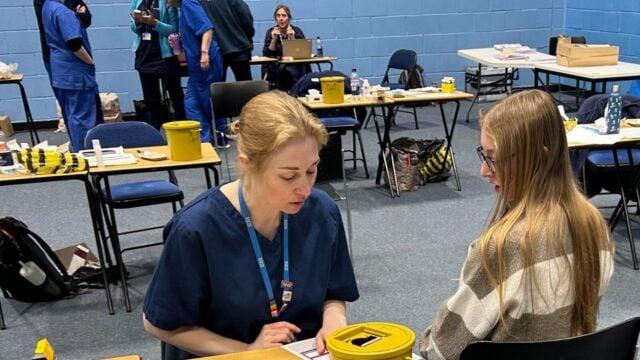
In a new report, the medical charity said front-line workers were going unpaid, lacked proper training and faced shortages of essential supplies. In some cases, ambulances had run out of fuel.
"Despite the vast amounts of money provided for the response, many frontline responders are left trying to contain the outbreak with empty hands and empty pockets," MSF said.
The charity also described "surveillance teams that exist on paper but are nowhere to be seen on the ground". MSF said two-thirds of deaths were occurring in communities, not in treatment centres.
MSF president Javid Abdelmoneim said: "Our teams are often left speechless by the dysfunctions they witness in many areas. Six months into the response, this situation is simply unacceptable."
MSF urged the Congolese government and UN agencies to "strengthen oversight and accountability" so that money already disbursed is used effectively. The Congolese government has been asked for comment.
Earlier funding alarm
The warning follows concerns raised last month by the Africa Centres for Disease Control and Prevention (Africa CDC). It said $700m of the $962m disbursed to organizations carrying out the Ebola response was unaccounted for.
Africa CDC chief Jean Kaseya said it was too early to call it embezzlement. He described it as a major transparency and financial reporting failure.
Congolese Health Minister Samuel-Roger Kamba said only 22% of aid agencies had provided details of their work so the ministry could oversee it. "Our requirement is clear: transparency must be total," he said on X.
Uneven response and hidden cases
Contact tracing, which means finding and isolating people who met an infected person, remains "deeply problematic", MSF said. British epidemiologist Neil Ferguson says more than half of cases go undetected, so the outbreak is likely to last another year.
MSF also criticized an "excessive concentration" of effort in some areas. It said the response was "too slow" in North Kivu province, while Haut-Uélé remained "dramatically overlooked".
In both provinces, health facilities lacked items such as water, chlorine or triage systems. "This has turned some facilities into new centres of transmission, rather than places of care," MSF said.
The epicenter is in eastern Congo, where conflict has raged for decades and some affected areas are under rebel control. Few good roads make travel hard. On Thursday, the UN and the government warned that the worst-hit areas also face a severe food crisis, with almost 10 million people in the region in dire need.