Time Running Out for Young People to Get MenB Vaccine in UK
Fewer than one in three eligible 18- and 19-year-olds in the UK have received a first dose of the meningitis B vaccine offered through a one-off campaign. The deadline is December 31, while a second dose is needed at least 28 days later.
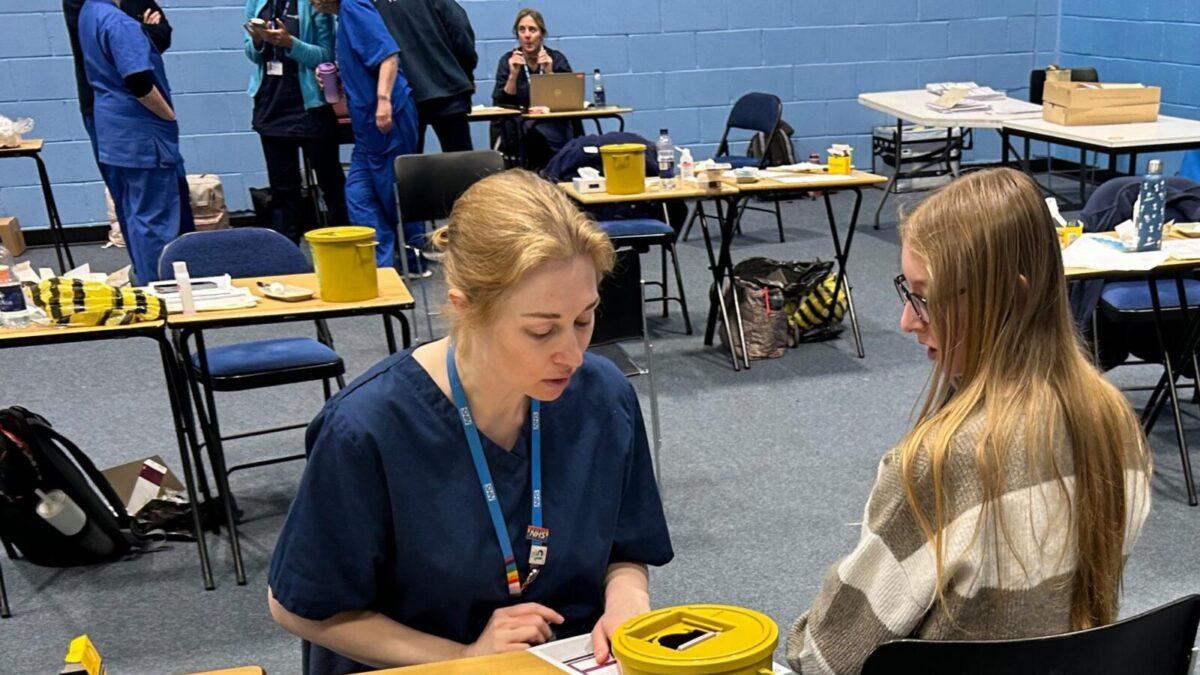
Fewer than one in three eligible 18- and 19-year-olds in the UK have received a first dose of the meningitis B vaccine, with the one-off campaign’s deadline approaching on December 31. Health officials are urging eligible young people to act before the winter period when infections typically peak.
Figures from the UK Health Security Agency (UKHSA) show that 28.2% of those eligible have received a first dose. The campaign offers two doses to protect against most strains of MenB bacteria.
Dr. Shamez Ladhani, a UKHSA consultant epidemiologist, said, “The deadline for getting your first dose is 31 December, so please don’t leave it until the end of term or forget it amongst all the Christmas and other holiday festivities.”
The government announced the time-limited program in June after a meningitis B outbreak in Kent and clusters of cases in Dorset and Berkshire caused three deaths and lasting health consequences for some survivors.
Two doses, given at least 28 days apart, are needed for protection. The UKHSA says second doses will be available until March 31, 2027, and almost 70% of 18- and 19-year-olds who received a first dose have already had their second.
Eligibility covers people born between September 1, 2007, and August 31, 2008, as well as people under 25 who started university or residential further education for the first time this autumn.
The UKHSA said first-year university students faced about seven times the risk of their peers who did not attend university. Shared accommodation, parties and large social networks can help the bacteria spread, experts said.
Dr. Eliza Gil, a clinical lecturer at the London School of Hygiene & Tropical Medicine, said the peak season for invasive MenB infection is typically December to March. She said the time limit aims to give eligible young people immune protection before they are most likely to be exposed.
Prof. Andrew Pollard, director of the Oxford Vaccine Group, said low uptake was worrying, while noting that the vaccine cannot prevent every case. “It would be a tragedy if even one preventable case were to occur when we have the tools to keep our young people safe,” he said.
Henry Gregg, chief executive of the National Pharmacy Association, called for universities to promote the offer to students in residential accommodation. Dr. Michael Head, an associate professor in global public health at the University of Southampton, said the December deadline should be reconsidered alongside stronger health promotion.
“The risk of meningitis doesn’t suddenly disappear on 1 January. Young people will continue to mix inside and outside of universities,” Head said.