Watchman Implant Sales Near $2 Billion as Evidence Doubts Grow
Boston Scientific's Watchman heart implant reached nearly $2 billion in sales in 2025 even as recent trials showed it is often no better than a blood thinner. Cardiologists question how the company marketed a device approved for a limited group of patients.
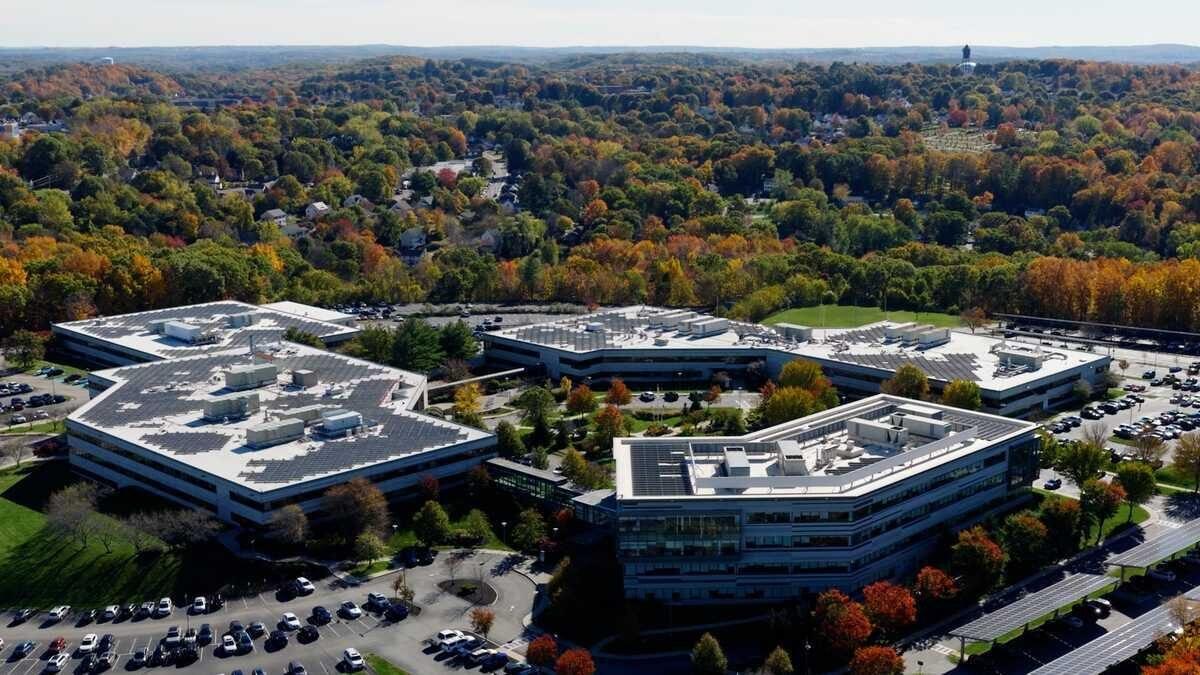
Boston Scientific's Watchman heart implant reached nearly $2 billion in sales in 2025, up some 30 percent from the year before, even as recent clinical trials showed it is often no better than a blood thinner. The Watchman device controversy did not slow the company's push.
Federal regulators approved the device only for a limited group of patients. Boston Scientific, based in Marlborough, Massachusetts, courted thousands of doctors and bought television ads aimed at a far broader population.
An analysis of clinical studies, regulatory documents, financial records and marketing data, along with interviews with more than two dozen cardiologists, clinicians and researchers, found growing concern about the device. Doubts increased after the recent trials, which showed the Watchman is in some cases worse than a time-tested blood thinner.
How the device works
The Watchman is a quarter-sized, umbrella-shaped implant. It seals off a corner of the heart where many clots form, like capping a well.
It targets atrial fibrillation, or A-fib, an irregular heartbeat that raises a person's risk of stroke fivefold. For generations, the standard protection was a daily blood thinner pill. Those drugs carry their own risks, from bleeding after minor cuts to internal bleeding after a bad fall.
The pitch to patients was simple: one surgery in place of a lifetime of pills.
A sales push built early
The company committed hundreds of millions of dollars to acquire the implant more than a decade ago. It then endured a years-long debate at the Food and Drug Administration over whether to approve it.
By 2017, at least 200 Watchman specialty centers operated across the country. At regional heart centers, including one at a hospital in Manchester, N.H., the company granted deep discounts on cardiac devices and flew in a technician from Europe to consult. Company representatives sat in the operating room to advise surgeons.
Consulting and other fees to doctors have topped $30 million.
In 2019 the company launched a national television campaign. That tactic is common for prescription drugs but rare for a surgical device classified as high-risk. The ads promised a "one-time implant that reduces stroke risk and bleeding worry — for life."
Sales keep climbing
Doctors have implanted more than 800,000 of the devices in patients worldwide. Boston Scientific CEO Mike Mahoney told investors on a call last year that the device was "clearly a gem for Boston Scientific."
The analysis found no sign the company intends to ease off, despite the setbacks.