West Japan Railway TSE:9021 Trades at 13.3x Earnings After Raise
West Japan Railway shares trade at about 13.3 times earnings after management raised its profit outlook on stronger railway use and shopping center operations. The stock has returned about 45.8% over five years, and a valuation analysis flags it as undervalued against peers.
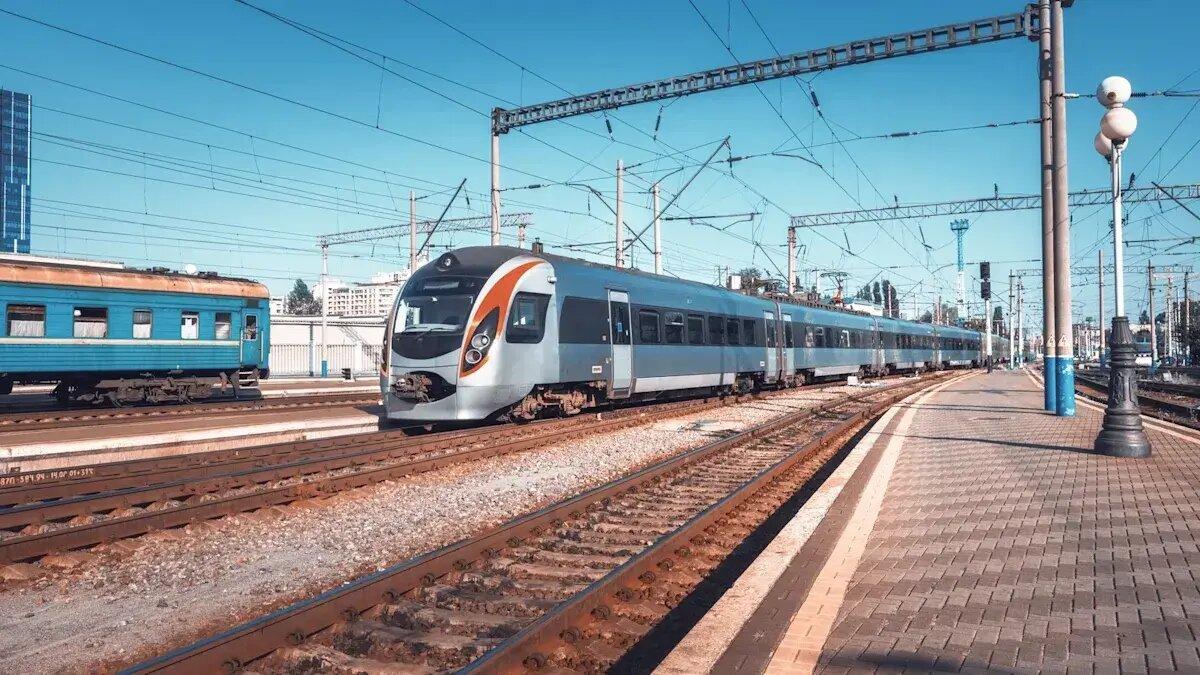
West Japan Railway (TSE:9021) shares trade at about 13.3 times earnings after management raised its profit outlook, according to a valuation analysis published November 13, 2026. The stock has returned about 45.8% over the past five years.
That run puts pressure on the company's earnings to justify the current price. Investors are asking whether profits can support what the market now pays for the shares.
Management recently lifted its earnings guidance, citing increased railway usage and solid shopping center operations. The upgrade has pulled the stock back into focus.
The analysis uses the price-to-earnings (P/E) ratio, which divides a share price by a company's earnings per share. It calls P/E a good fit for West Japan Railway because earnings anchor a mature transport and real estate business.
How the multiple compares
At 13.3x earnings, West Japan Railway sits above the Transportation sector average of roughly 12.2x. It sits below the peer group average of around 16.0x. The analysis describes that as a discount to similar companies.
It also estimates a fair P/E for the company, based on growth prospects, profitability, size and risk profile. That figure is higher than where the shares trade today, so the analysis flags the stock as undervalued on this measure.
The raised guidance widens that gap, the analysis says. The business characteristics would usually justify a higher multiple than the one the market applies.
What could change the picture
The analysis points readers to written, number-driven narratives for the stock. These set out what would need to happen to growth, profitability and earnings for the shares to be worth materially more or less than they are today.
One such narrative could test whether the revised guidance, including the lift tied to railway usage and shopping center performance, can last. It would give investors a yardstick for checking future results against the expectations built into the share price.
The analysis adds that valuation is only one question. It says the people who set West Japan Railway's priorities, and how their pay is structured, can shape long-term outcomes as much as a single valuation snapshot.
The article is general in nature and was produced with the help of AI automation, using historical data and analyst forecasts. Its authors say it is not financial advice and not a recommendation to buy or sell any stock.