Nvidia’s Huang Ousted by Board as Shares Lose $300 Billion
Nvidia’s board removed CEO Jensen Huang on Thursday after reports of two affairs. CFO Colette Kress becomes interim chief, Harvey Jones takes the new chair role, and the stock fell as much as 14% before paring losses, dragging AI-linked shares lower.
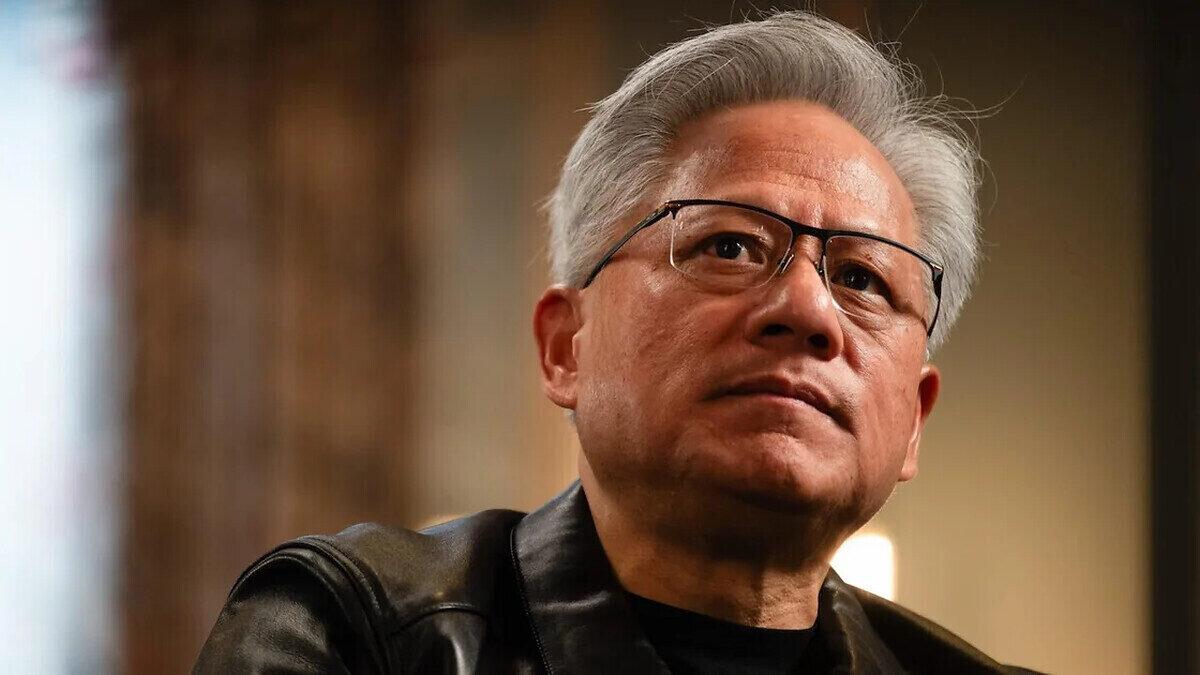
Nvidia Corp. CEO Jensen Huang was ousted by the company's board on Thursday, November 12, 2026, after reports of two affairs, including one with a woman suspected of spying for China. Nvidia said Huang will no longer have ties with the chipmaker.
Chief Financial Officer Colette Kress is taking over as interim CEO. The board, which has never had a chair before, appointed director Harvey Jones to that role.
Shares initially plunged as much as 14% before paring losses. By 10:08 a.m. in New York the stock was down 7.5% at $160.67, erasing more than $300 billion from Nvidia's valuation.
Pressure since Sunday
Huang, 63, was one of three engineers who founded Nvidia in 1993. He had been under intense pressure since Sunday, when he admitted to a romantic relationship with Alice Huang, a former executive at the Singapore-based data center firm Megaspeed International.
He was Nvidia's only CEO in its three-decade history. He managed every part of the business and served as a champion for the wider AI industry.
The board praised him in its statement. "Jensen’s contributions to Nvidia are profound," it said, calling the company "one of the most consequential technology companies in the world."
A company without a clear successor
The resignation deepens a crisis partly of Nvidia's own making, since the company has long lacked a clear succession plan. Kress joined 13 years ago after stints at Microsoft Corp. and Cisco Systems Inc. Her career has been in financial roles.
Her public role has been confined to Nvidia's numbers. Most communication with the financial community was handled by Huang.
Jones, 73, formerly led Synopsys Inc. Nvidia took a $2 billion stake in that company last year.
Ripple across the AI sector
Emarketer senior analyst Asa Hiken called the resignation "a watershed moment for Nvidia, which now has to prove it can maintain its AI dominance without the leader largely responsible for building it." He added that Huang's departure "introduces uncertainty well beyond the company itself."
The selloff spread on Thursday. Chipmakers Micron Technology Inc. and Marvell Technology Inc. fell, as did so-called neoclouds such as CoreWeave Inc. and Nebius Group NV. Power equipment firms Vertiv Holdings Co. and Bloom Energy Corp. also weakened.
Nvidia rivals Advanced Micro Devices Inc. and Broadcom Inc. gained.
Bloomberg Intelligence analyst Mandeep Singh said in a Bloomberg Television interview: "There will be a tremendous loss of credibility for Nvidia overall." He said Huang's exit may hit neoclouds and open-source AI model developers disproportionately.
Under Huang, Nvidia shares soared more than 700,000% since the company went public in 1999. Its market valuation has at times topped $5 trillion.