Iran’s Shadow Operations Stretch Across Europe After UK Convictions
Two Iranian men were convicted at Woolwich Crown Court in London on November 12 of spying on journalists and critics of Tehran. The verdicts came days after US terrorism charges and a French accusation of an IRGC cyberattack. Iran denies the allegations.
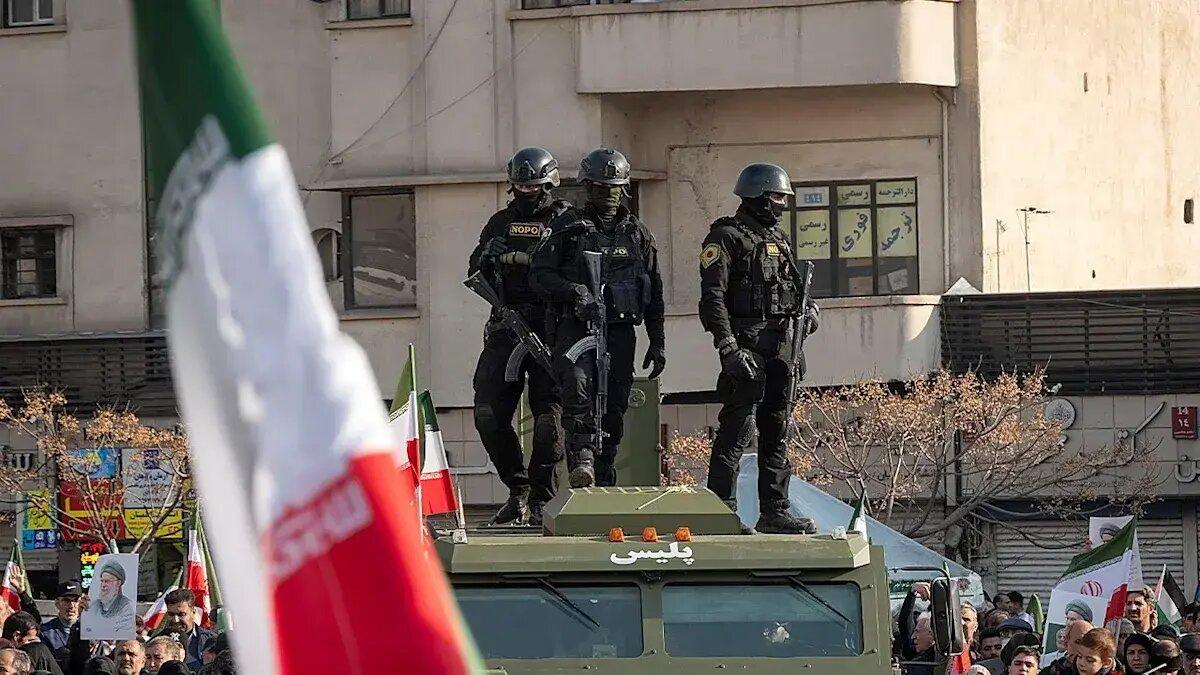
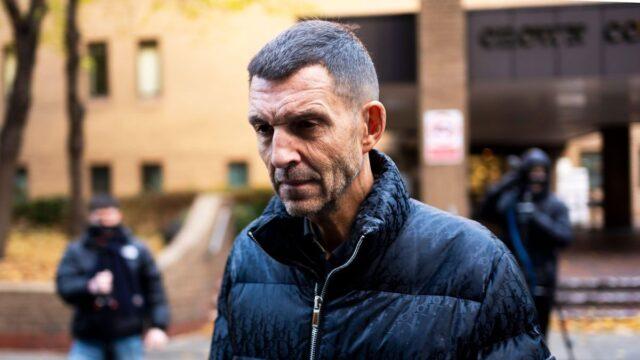
A jury at Woolwich Crown Court in London on Thursday, November 12, 2026, convicted two Iranian men, Mostafa Sepahvand, 41, and Farhad Javadi Manesh, 46, of conduct likely to assist a foreign intelligence service. The verdicts add to a run of cases showing how far Iran's shadow operations stretch beyond the Middle East.
Prosecutors said the pair surveilled journalists and other critics of the Iranian government. Iran has denied involvement.
British authorities called it the first conviction of Iranian nationals under the National Security Act of 2023. They said the verdicts underscore an ongoing threat from Iranian intelligence operations.
Targets in London
The targets included journalists at Iran International, a London-based Persian-language news outlet critical of Tehran. A prominent figure linked to UK Lawyers for Israel was also watched.
According to prosecutors, the surveillance ran from August 2024 to March 2025. It involved visits to locations tied to the targets, photographs, videos and online research.
Sepahvand was also convicted of preparatory conduct with the intention of committing serious violence against a person in Britain. Manesh was acquitted of that charge. A third defendant was cleared of all charges.
US charges and French cyberattack claim
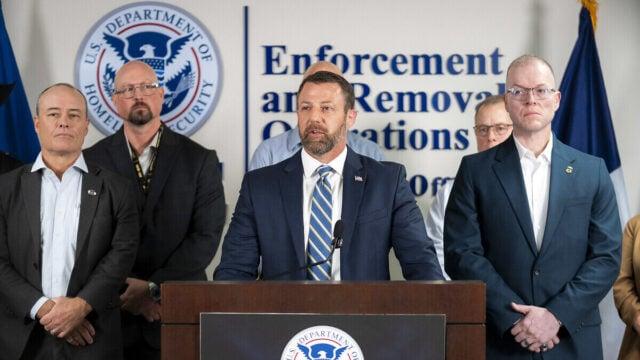
Two days before the British verdicts, the US Justice Department announced terrorism charges against three alleged Iranian-backed operatives. They are accused of involvement in nearly 20 attacks and attempted attacks across Europe and the United States.
The indictment, dated November 10, says the three supported Iran's Islamic Revolutionary Guard Corps (IRGC) and Kata'ib Hezbollah. It alleges they targeted Jewish communities and plotted an attack on RAF Fairford, a British air base housing American military personnel.
Prosecutors allege one defendant, Mohammad Baqer Saad Dawood al-Saadi, kept coordinating attacks through coded messages while jailed in New York. The network was also allegedly involved in planning an attack on a Manhattan synagogue.
In France, authorities on Monday accused the IRGC of orchestrating a cyberattack on the country's food supply. A November 9 report by France's Cyber Crisis Coordination Centre said hackers targeted refrigeration controllers at about 700 retail locations on October 11 and 12.
Investigators said the attackers remotely changed defrost settings, pushing equipment to abnormally high temperatures. Food spoiled and at least 15 fires were reported. Carrefour, Leclerc and Intermarché were among the affected chains.
French investigators blamed Shahid Kaveh, a cyber-offensive unit under the IRGC's electronic and cyber command. Foreign Minister Jean-Noël Barrot described the attack as unprecedented in scale and aggression, and authorities said they would seek European sanctions against those responsible.
Iran's Foreign Ministry rejected the French allegations as "baseless and malicious." The Trump administration, meanwhile, continues its economic pressure on Tehran while leaving the door open to negotiations.