ICE Deports Record 483,200 People in Fiscal 2026, DHS Says
Immigration and Customs Enforcement deported 483,200 people in fiscal year 2026, a record, the Department of Homeland Security said. The figures arrive as Republicans absorb midterm losses and congressional Democrats press for changes to the immigration system.
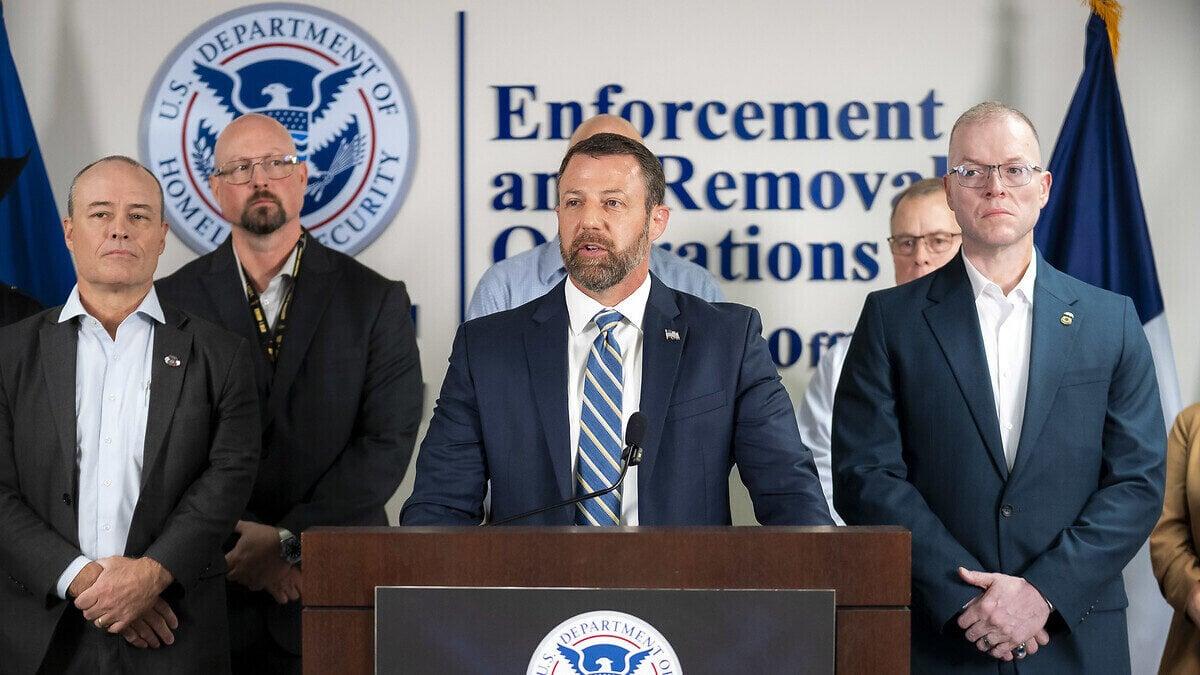
US Immigration and Customs Enforcement (ICE) deported a record 483,200 people in fiscal year 2026, which ended September 30, according to new Department of Homeland Security (DHS) figures. The total is the highest annual number in the agency's reported history and marks a new peak for President Donald Trump's immigration crackdown.
The previous record was 442,640 deportations in fiscal year 2025.
ICE also reported more than 491,000 immigration arrests during the year, including nearly 475,000 administrative arrests. That is another record, DHS said. Administrative arrests are made for civil violations rather than criminal charges.
DHS said the new deportation total is about 18% higher than the 409,849 removals recorded in fiscal year 2012, under the Obama administration. It is nearly 78% higher than the 271,484 deportations in fiscal year 2024, the last full fiscal year under President Joe Biden.
ICE made 50,925 arrests in August alone, topping the monthly high set in July. In September it was still carrying out more than 48,000 arrests a month, according to DHS.
DHS Secretary Markwayne Mullin welcomed the numbers in a statement Thursday. "I couldn't be prouder of the brave men and women of ICE, who just broke more historic records," he said. He added that total ICE arrests in fiscal 2026 exceeded those of all three full fiscal years under Biden combined.
Questions over the count
A record deportation figure does not necessarily mean a record number of formal removal orders carried out. ICE's totals do not include governmentwide statistics, which cover actions by US Customs and Border Protection. Using broader measures, nationwide deportations were higher in parts of the early 2000s.
A new analysis from Syracuse University's Transactional Records Access Clearinghouse, or TRAC, also questioned how DHS counts deportations. Researchers reviewed case-by-case federal immigration records. They found formal removals made up just 63% of deportations in July and August 2026, with voluntary departures and returns making up the rest.
Political backdrop
The numbers land at a awkward moment for Trump. After sweeping Republican losses in the midterm elections, he has publicly acknowledged that parts of his deportation campaign may have gone too far. He said the system had been "too tough" in certain aspects.
He then elevated Stephen Miller, architect of many of his most restrictive immigration policies, to White House chief of staff. CBS News polls have shown wide support for border security alongside growing discomfort with how immigration laws are enforced in communities nationwide.
Congressional Democrats are pressing for action. A group of sitting and newly elected members gathered outside the US Capitol to call for immediate efforts to rein in the enforcement operation and "bring sanity" to the system. Democrats are preparing to take control of both chambers next year.
Congresswoman Veronica Escobar, a Texas Democrat, said Trump's presence in the White House and the lack of a Senate supermajority mean Republican votes are needed. "Any comprehensive immigration reform must be bipartisan," she said. Congresswoman Maria Salazar, a Florida Republican, was slated to attend but did not appear.
Senator Ruben Gallego of Arizona urged colleagues to try for a deal. "We should try to work, even if we can't get something this session, next session for a deal. We owe it to this country."