US homeland security ad targeting ‘Mr Singh’ draws racism backlash
The US Department of Homeland Security has triggered a backlash after posting an ad on X that told “Mr Singh” to self-deport and mocked his
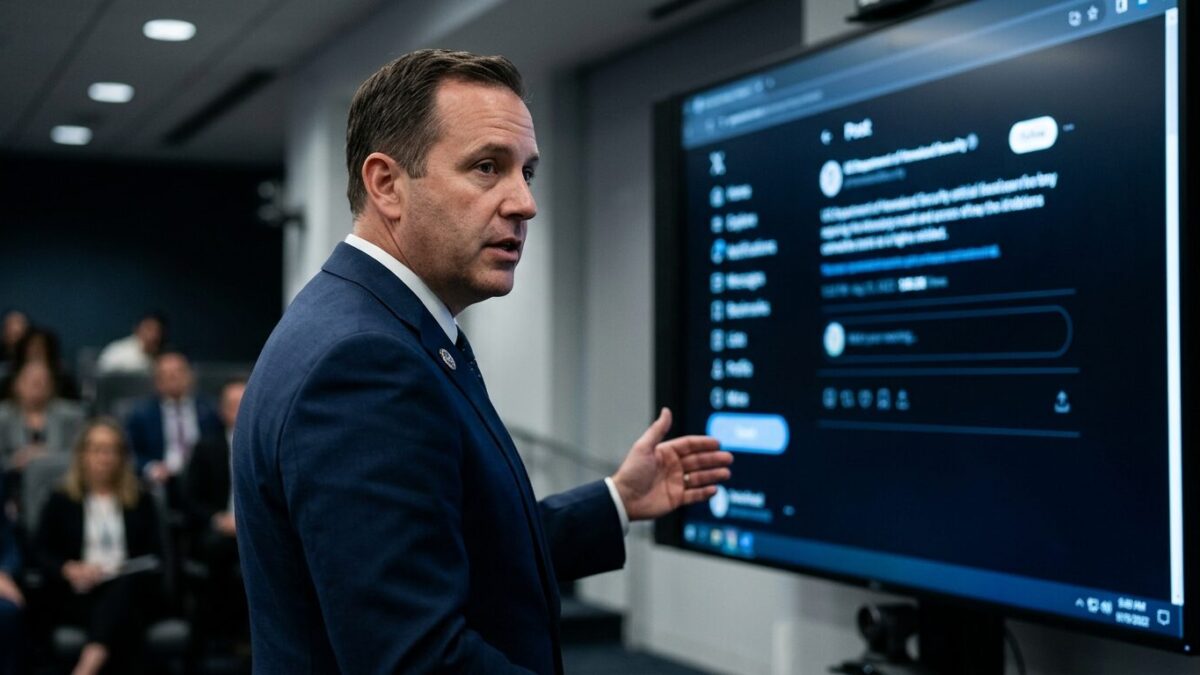
The US Department of Homeland Security has triggered a backlash after posting an ad on X that told “Mr Singh” to self-deport and mocked his driving. Advocacy groups called the campaign racist and anti-American.
The controversy centres on an AI-generated image shared by the department as part of its campaign against unlicensed commercial drivers. The image shows a brown-bearded man with the line: “Get off our roads, you don’t know how to drive Mr Singh.”
Megatron video widens the row
A related post went further, using a short video clip featuring Megatron, the villain from the Transformers franchise, in a scene about the release of “illegal aliens” — the term used by the US administration for foreign nationals in its messaging.
The video says Megatron is seeking the release of truck drivers Harjinder Singh, Rajinder Kumar, Bekzhan Beishekeev, Akhror Bozorov and Jasveer Singh, who were involved in road accidents and other crimes.
The language and imagery quickly pulled the post into a broader debate over immigration, race and official government messaging. The use of an Indian surname in the headline image stood out sharply, especially in a country where social-media campaigns from federal agencies can ricochet far beyond domestic audiences within minutes. So did the cartoonish villain cameo. The combination was jarring.
Campaign tone sparks criticism
According to the department’s own wording in the post, the message was blunt: “If you approach this nation with hostile intent, know this. We will defend ourselves. We will defend Americanism. We will defend our home.”
That message, paired with the AI-generated portrait and the “Mr Singh” line, set off accusations that the department was leaning on ethnicity to make a political point. Critics said the ad crossed a line from enforcement into ridicule.
The episode also shows how AI-generated political imagery can sharpen a message fast — and just as quickly turn it into a liability. A campaign built for virality can travel well beyond its intended audience, landing in a global conversation about discrimination, official tone and what government agencies choose to amplify online.
The department’s post did not stop at the image. It tied the ad to a wider warning, framing the campaign as a defence of American streets and American identity. The result was a blast of outrage, and no sign the argument was cooling.