Japanese Journalist Yuki Imai’s Release Nowhere in Sight in Russia
A month after Russia detained Hokkaido Shimbun reporter Yuki Imai on spying allegations, Tokyo reports no progress toward his release. Moscow is taking a tougher line on Japan, and his detention period runs to December 12 unless it is extended.
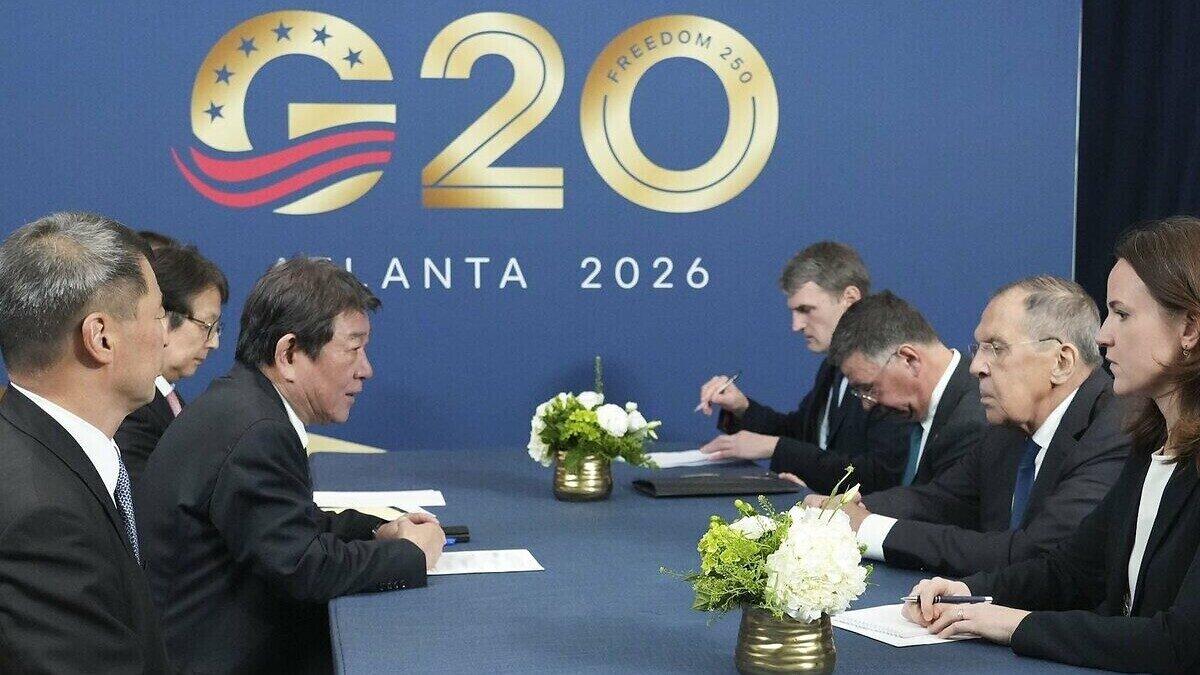
A month after Russia detained Hokkaido Shimbun reporter Yuki Imai on suspicion of spying, a Japanese journalist release is nowhere in sight, with Moscow taking a tougher stance on Tokyo. Imai was arrested on October 13 in the Sakhalin region in the Russian Far East.
He was then taken to a detention center in Moscow. Concerns are growing in Japan that an early release may be difficult.
Chief Cabinet Secretary Minoru Kihara told a regular press conference in Tokyo that the government would "continue to seize various opportunities and strongly press the Russian government" for Imai's immediate release. He added that Japan will keep imposing sanctions on Russia over its invasion of Ukraine, which he called "an act that shakes the international order."
Russia's Federal Security Service (FSB), which is investigating, has issued no official statement since announcing the detention on the day it happened. Imai's detention period is set to expire on December 12 but could be extended.
What Russia alleges
The FSB claims Imai gathered information about mobilized troops and volunteers taking part in Russia's military operation against Ukraine. It says he acted on instructions from Japanese intelligence.
Prime Minister Sanae Takaichi has denied that the government is engaged in espionage in Russia. Hokkaido Shimbun says Imai was conducting "ordinary news gathering" and that the paper does "not conduct reporting or gather information based on government directions."
People charged with spying by the FSB are often tried behind closed doors and handed long prison terms.
Diplomatic pressure
At the end of October, Foreign Minister Toshimitsu Motegi called for Imai's release in talks with Russian counterpart Sergey Lavrov. It was their first formal meeting in about five years, held on the sidelines of a Group of 20 gathering in the United States.
According to the Russian Foreign Ministry, Lavrov said Japan must abandon its "unfriendly policy" toward Russia if full-scale dialogue is to resume.
The case is seen as part of Russian President Vladimir Putin's hostage-taking diplomacy, aimed at winning concessions from Japan. Some observers have speculated that Russia is retaliating for Japan's handover to Germany of a Russian national suspected of being a key member of the ransomware group Qilin.
Pressure has also risen on the business front. Putin recently moved to effectively seize Russian operations of Japan Tobacco Inc., citing assets belonging to "individuals from unfriendly countries."
Precedent and next step
In a similar case, U.S. journalist Evan Gershkovich was detained by the FSB on espionage charges in March 2023. Washington declared the Wall Street Journal reporter "wrongfully detained" in April 2023, and he was sentenced to 16 years. He was freed in August 2024 as part of a major multinational prisoner swap.
A senior Japanese government official said that easing sanctions or pulling back support for Ukraine "should not be on the table." Tokyo is still expected to look for chances of dialogue with Russia.
Takaichi and Putin are both expected to attend next week's Asia-Pacific Economic Cooperation forum summit in Shenzhen, China.