Russia’s petrol shortage deepens as pumps go dry at more than seven in 10 stations
?s fuel crunch has sharpened to the point that petrol was unavailable at more than seven in 10 filling stations nationwide on Wednesday, with queues
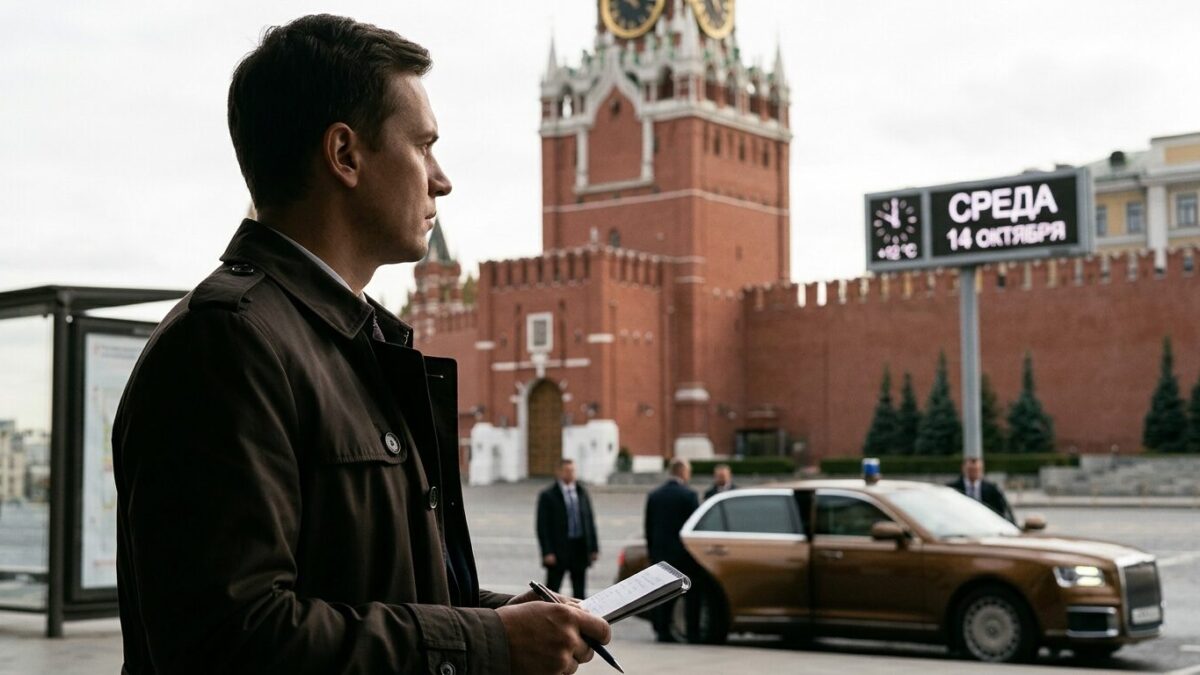
Russia’s fuel crunch has sharpened to the point that petrol was unavailable at more than seven in 10 filling stations nationwide on Wednesday, with queues appearing in Moscow for the first time. The shortage follows sustained Ukrainian drone strikes on Russian energy infrastructure and has forced the Kremlin into awkward reversals, including importing gasoline and reviving lower-grade fuel it had previously banned.
The monitoring app Gdebenz put petrol availability across Russia at 28% of stations on Wednesday, down from 41% a week earlier. Fuel restrictions were already widespread by Saturday, with Benzinmap saying nearly all regions had imposed caps, rationing systems or odd-even number plate schemes.
Pressure reaches Moscow
In the capital, the strain is now visible at the pumps. Yandex Fuel showed AI-92 petrol available at just one in 10 stations in Moscow by Wednesday, while Gazprom Neft had placed a temporary 40-litre cap on each fill-up. Tatneft limited petrol to 50 litres and diesel to 60.
The shortage has forced Russia to reopen channels it had long avoided. The government has confirmed it has begun importing fuel, after a cargo of gasoline from India reached the domestic market, according to industry sources and shipping data cited by Reuters. Russia is also arranging rail imports from Belarus and Kazakhstan, and has banned fuel exports.
Backlash and control
The crisis has spilled beyond logistics. Reporting from Russia has described detentions of residents who complained publicly about the shortages, while the Kremlin has admitted the fuel squeeze is real. The return of banned low-grade fuel underlines how quickly the problem has moved from regional disruption to a national political embarrassment.
Russia was a fuel exporter in peacetime. Now it is taking in gasoline from abroad, including an Oman-flagged tanker that unloaded in the Arctic port of Vitino in early August after a ship-to-ship transfer that began from Indian supply, according to shipping data and industry sources.
The immediate question is whether the flow of imports and rationing can steady the market before the shortage spreads further. For now, the image of Moscow drivers joining queues at the pump says enough. It is a problem the Kremlin can no longer hide.