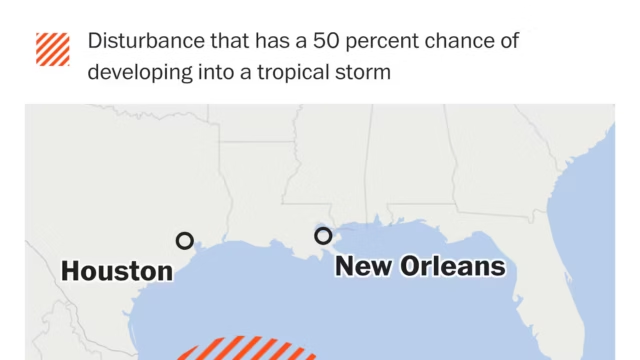
Gulf Disturbance Could Bring Heavy Rain to the Coast This Week
A disturbance in the Gulf of Mexico could develop into a tropical storm in the coming days, raising the chance of heavy rain along parts of the Gulf Coast. The…
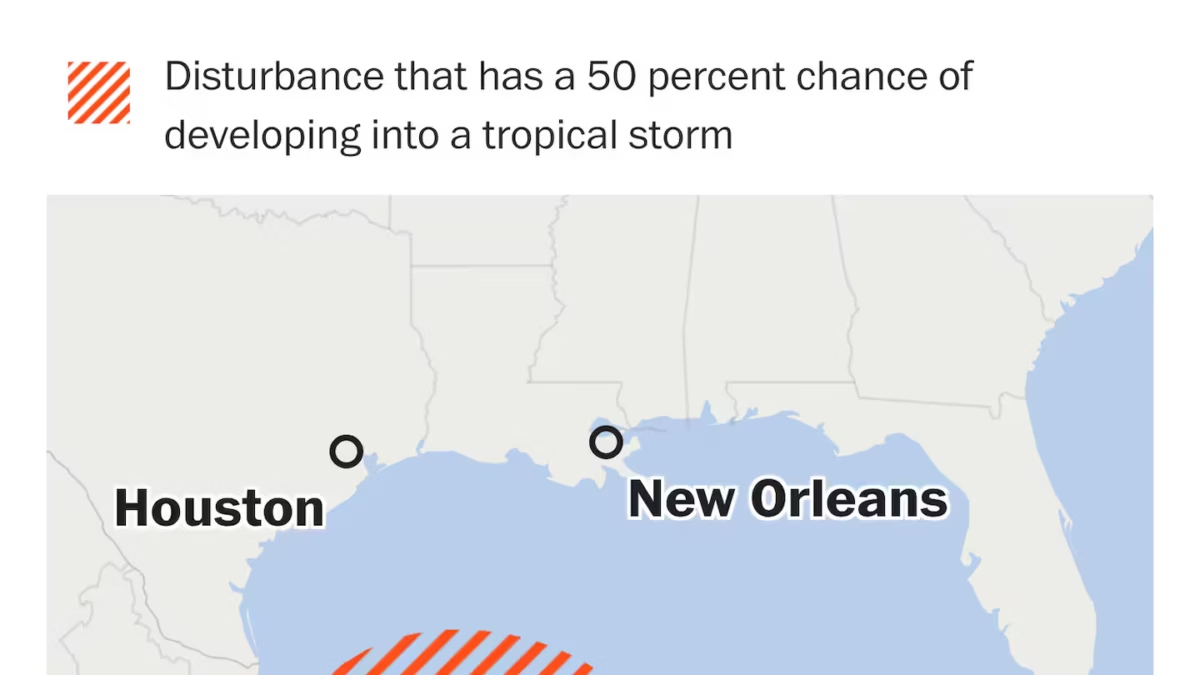
A possible tropical system is drawing attention to the Gulf Coast as the region faces a new weather disturbance. A tropical storm could form in the Gulf of Mexico in the coming days, according to the supplied reporting context, but the material does not establish that a hurricane will develop or make landfall.
The potential matters because the disturbance could bring heavy rain to parts of the Gulf Coast. No specific locations, rainfall totals, storm track or timing of impacts are provided in the available source text.
That uncertainty is central to the current picture. The possibility of development is not a confirmed forecast of a hurricane, and the supplied material does not identify a named system or an official warning for coastal communities.
The Washington Post source headline, dated October 5, 2026, describes increasing chances for tropical development in the Gulf this week. Its accompanying context says the disturbance could drench parts of the Gulf Coast, but gives no numerical probability or projected landfall.
For residents, the immediate concern is the potential for rain, not a confirmed hurricane strike. Without a specific forecast for location or amount, the source material does not support claims about flooding, evacuations or damage. Local impacts will depend on how the disturbance develops and where it moves.
What the Gulf Coast hurricane outlook says
The available reporting points to a developing possibility, rather than a storm that has already formed. It says a tropical storm could emerge in the Gulf in coming days; it does not say that forecasters have confirmed tropical-storm conditions.
There is a distinction. A developing disturbance can draw attention before forecasters know whether it will organize into a named storm. The supplied text does not include meteorological details such as wind speed, pressure, or the system’s position, so none can be stated here.
The broader seasonal context comes from the supplied account of the 2026 Atlantic hurricane season. It says the season officially began June 1 and is scheduled to end November 30. The same account reports that Tropical Storm Arthur formed June 17 and affected much of the northwestern Gulf of Mexico coast, while Tropical Storm Bertha later affected nearly the entire U.S. Gulf Coast along its path.
That account also says Tropical Storm Edouard made landfall near the Texas-Louisiana border in September. It describes the season as extremely inactive and attributes that assessment to a very strong El Niño event in the Pacific. Those earlier events provide context, but they do not establish the path or strength of the current disturbance.
The reported possibility of more rain gives coastal communities a reason to follow updated forecasts, while the limits in the available information argue against treating a storm track or landfall as settled. The source identifies no evacuation order, watch or warning, and offers no projected date for impacts.
The latest reported development is that tropical formation chances in the Gulf are increasing this week; a tropical storm could form in the coming days.
Source: washingtonpost.com