Phumzile Mlambo-Ngcuka, Former UN Women Chief, Dies at 71
Phumzile Mlambo-Ngcuka, South Africa’s first female deputy president and a former UN Women chief, has died at 71. Her family said she died on November 20 after complications from a medical procedure. She served in South Africa’s first democratic Parliament and led UN Women from 2013 to 2021.
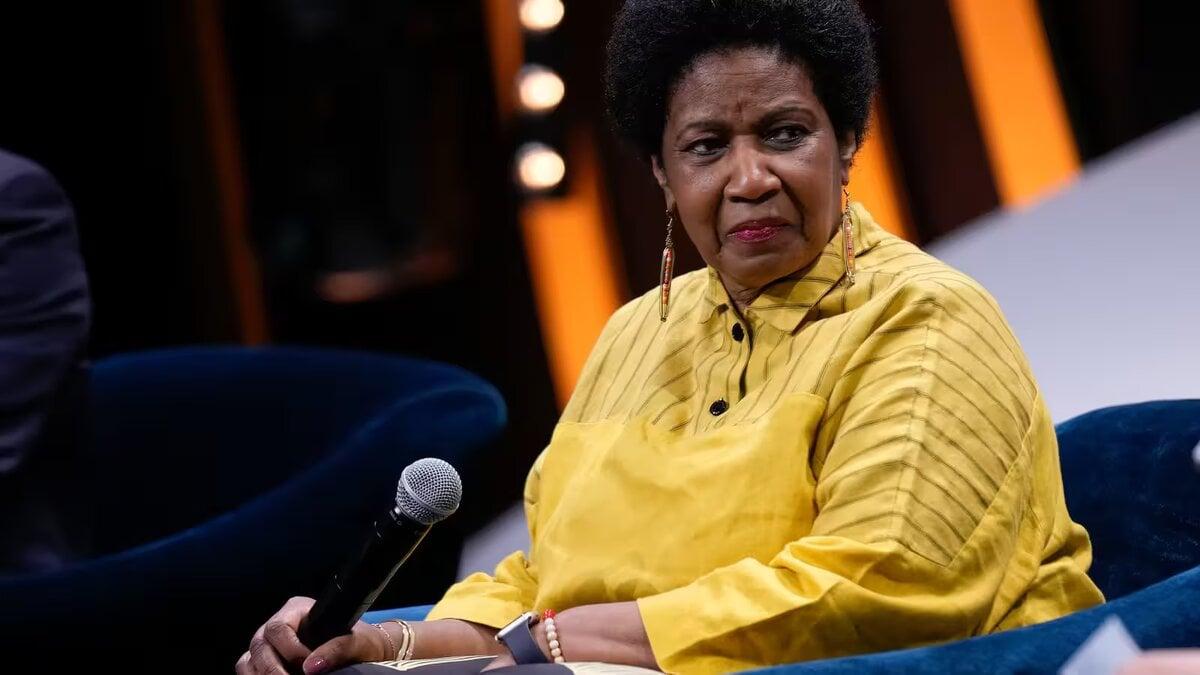
Phumzile Mlambo-Ngcuka, South Africa’s first female deputy president and a former UN Women chief, died at 71 after complications from a medical procedure, her family said. The former anti-apartheid activist led the United Nations agency for gender equality from 2013 to 2021.
Family spokesperson Sipho Ngwema said she died on the evening of November 20, 2026. The procedure had taken place about two weeks earlier, the family said.
Mlambo-Ngcuka served as South Africa’s deputy president from 2005 to 2008. She is survived by her husband, Bulelani Ngcuka, and their five children.
Tributes to a rights champion
UN Secretary-General António Guterres called Mlambo-Ngcuka “a lifelong champion of the rights and empowerment of women and girls.” He said she had been a teacher in KwaZulu-Natal and an activist against apartheid before reaching the world stage.
UN Women said her courage inspired people around the world and her leadership helped shape a global movement. The agency said she devoted her life to justice and equality.
The African National Congress (ANC) called her “a distinguished leader of our movement and a dedicated servant of the people.” The party also noted that she was the first woman to serve as South Africa’s deputy president.
South Africa’s presidency expressed condolences to her family on behalf of President Cyril Ramaphosa, the government and the country’s people.
Namibia’s President Netumbo Nandi-Ndaitwah also paid tribute, describing Mlambo-Ngcuka as a dear friend and a distinguished daughter of Africa.
From Parliament to UN Women
Mlambo-Ngcuka joined South Africa’s first democratic Parliament in 1994 as an ANC lawmaker. That year marked the end of apartheid and white minority rule, and Nelson Mandela became the country’s first democratically elected leader.
In Parliament, she chaired the Public Service and Administration committee. She later served as deputy minister of trade and industry and as minister of minerals and energy.
Her appointment as deputy president came during a succession battle and infighting within the ANC. She replaced Jacob Zuma, who was fired after being implicated in a corruption scandal involving an arms deal.
Her appointment drew criticism over her marriage to Ngcuka, the country’s lead prosecutor, who was pursuing corruption charges against Zuma.
As deputy president, Mlambo-Ngcuka oversaw programs to tackle poverty and extend the benefits of economic growth to poor people, with a particular focus on women. She was sworn in as executive director of UN Women on August 19, 2013.
Her family said it would announce memorial and funeral details after arrangements are finalized in consultation with the presidency.
 Take the quizWhat Kind of Holiday Spender Are You? Take the Black Friday QuizStart →
- 1Stock Market Today: Dow Slides 1.34% and VIX Jumps 15% at Midday

- 2Joachim Klement to Sell Stocks After S&P 500 Signal
- 3Stock Market Today: Nasdaq, S&P 500 Futures Slide as AI Selloff Deepens

- 4Kenneth Walker’s Groin Injury Puts Cardinals Game in Doubt

- 5Pat Cummins Faces Captaincy Doubts From Mitchell Johnson

 Markets · FintechHow to Calculate Compound Interest: Formula, Examples and the Rule of 72
 Lifestyle · Food & HealthNormal Blood Pressure Chart by Age: Healthy Ranges Explained
 Lifestyle · Food & HealthWhat Is Raynaud’s Syndrome? Why Fingers Turn White in the Cold
 Lifestyle · Food & Health4 Ways Walking After Meals Helps Your Body, Doctors Say