CIA Director’s Surprise Moscow Trip Signals Shift in U.S.-Russia Engagement
John Ratcliffe landed in Moscow on Tuesday morning after an overnight flight aboard a U.S. Air Force cargo plane, marking a rare and. CIA Director — full…
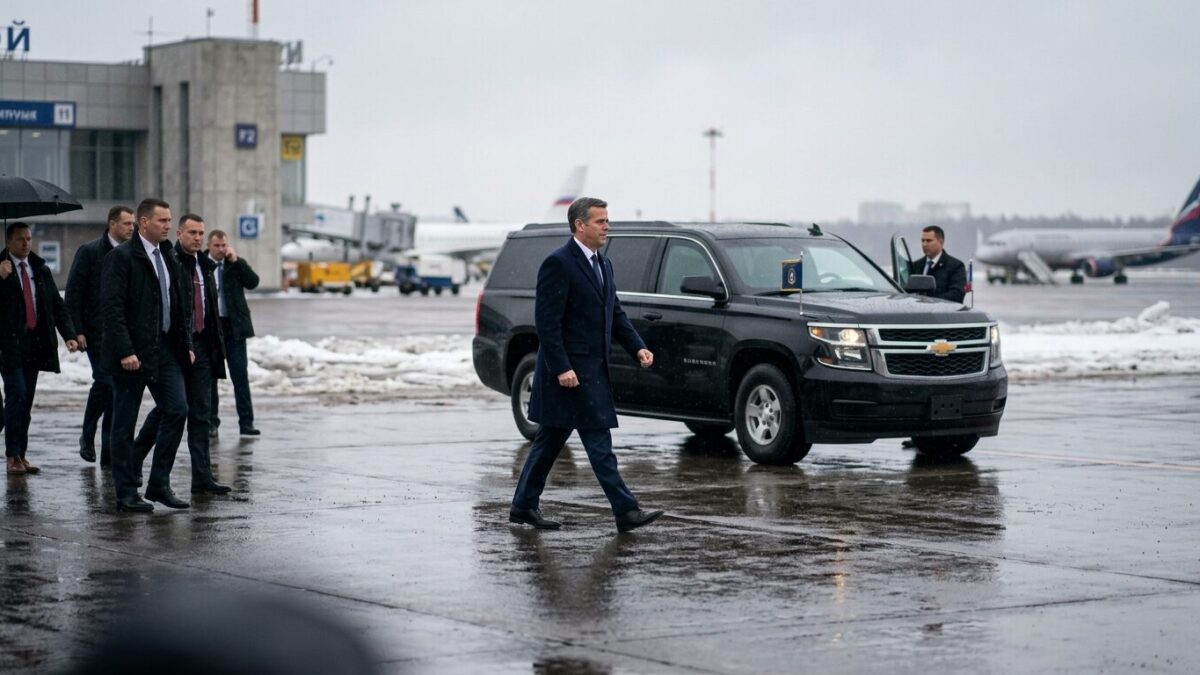
CIA Director John Ratcliffe landed in Moscow on Tuesday morning after an overnight flight aboard a U.S. Air Force cargo plane, marking a rare and closely guarded visit by America's top intelligence official to the Russian capital. The trip underscores intensifying behind-the-scenes efforts to manage U.S.-Russia relations at a moment when war negotiations with Ukraine have stalled.
Ratcliffe's eight-hour stay—his first known journey to Russia as CIA director under President Donald Trump—reflects the high stakes Washington sees in direct contact with Moscow officials. The Pentagon C-17 Globemaster III departed Joint Base Andrews in Maryland on Sunday evening, touched down in Riga, Latvia, for a 24-hour layover, then continued to Vnukovo International Airport, landing shortly after 9 a.m. Moscow time. Flight tracking data showed the aircraft departed roughly eight and a half hours later.
A Deliberate Absence of Transparency
Neither the CIA nor the Trump administration disclosed what was discussed during the meetings. Russian officials initially denied knowledge of the visit. Kremlin spokesman Dmitry Peskov told state media that no talks between U.S. envoys and Russian counterparts were scheduled this week, though he later confirmed Ratcliffe did not meet with President Vladimir Putin.
The secrecy itself sends a message. According to Glenn Howard, a Russia strategist at the Saratoga Foundation, CIA directors rarely make such journeys without urgent business. "That is why a CIA director does not board a C-17 and fly halfway around the world to Russia unless the matter is urgent," Howard said.
Ukraine's Pause and Tehran's Isolation
Days before Ratcliffe's departure, the U.S. asked Kyiv to suspend drone and missile strikes across Moscow and northern Russian cities from Monday through Wednesday—the precise window of the visit. Ukrainian military officials were informed a senior American official would be traveling inside Russia, suggesting the request aimed to prevent any incident that might complicate negotiations or endanger the delegation.
The timing carries additional weight. On Monday, Treasury Secretary Scott Bessent announced "Operation Economic Outcast," a new strategy designed to punish countries and entities continuing trade with Iran. Russia has deep commercial and strategic ties to Tehran, signaling potential pressure points in any U.S.-Russia talks.
Echoes of Pre-War Diplomacy
This represents only the second visit by a sitting U.S. intelligence chief to Moscow in nearly five years. The previous one occurred in November 2021, when then-CIA Director William Burns traveled there to warn Putin against invading Ukraine—a warning that went unheeded two months later. Howard noted the historical parallel, suggesting Ratcliffe's trip carries comparable significance for current geopolitical tensions.
Special Envoy Steve Witkoff has already made multiple trips to Moscow on Trump's behalf as the administration struggles to broker an end to what is now a five-year conflict. Whether Ratcliffe's secret mission represents a new opening or a final diplomatic appeal remains unclear. What is certain: someone in Washington deemed face-to-face contact with Russian intelligence officials important enough to risk both the diplomatic fallout and the operational security of the journey itself.