Lung Cancer Is the Most Diagnosed Cancer Worldwide, Oncologist Says
An Indian oncologist says lung cancer is the most commonly diagnosed cancer and the leading cause of cancer deaths worldwide. She lists seven risk factors, from smoking to radon, and steps people can take to cut their risk.
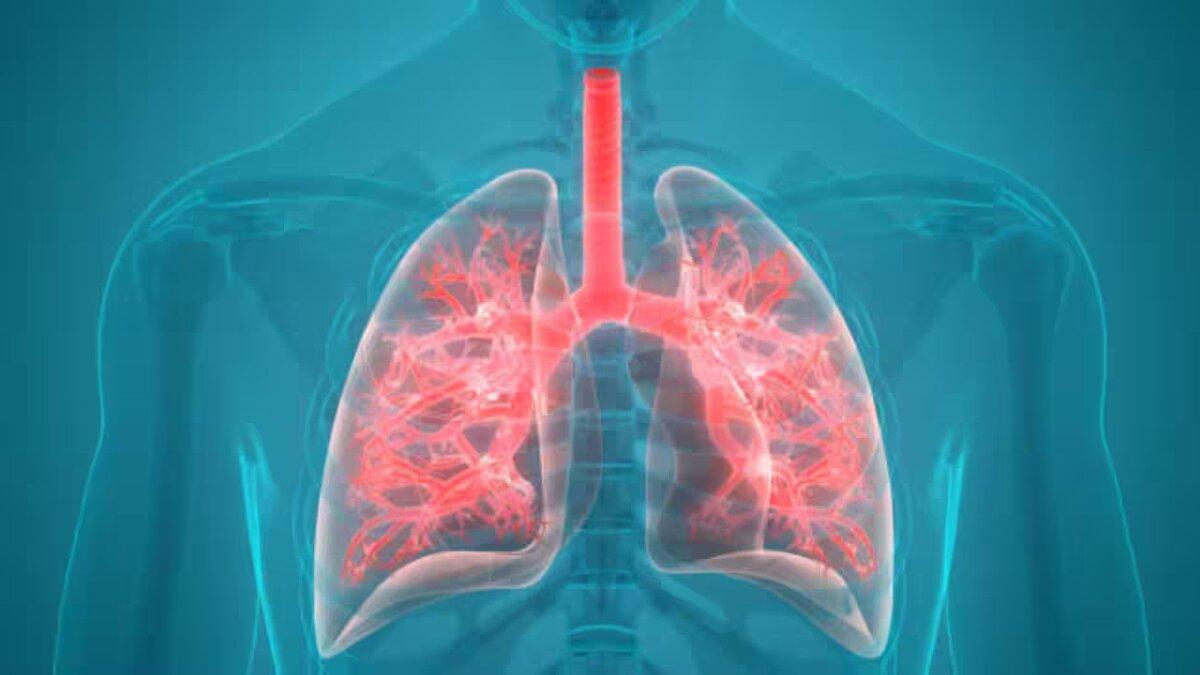
Lung cancer is the most commonly diagnosed cancer and the leading cause of cancer deaths worldwide, according to Dr. Kalyani Premchandra, a medical oncologist at Apollo Hospitals in Bengaluru, India. The International Agency for Research on Cancer estimated 2.6 million new cases in 2024, about 12.8% of all cancers.
Premchandra said many of the main causes can be prevented. She pointed to tobacco, air pollution and workplace carcinogens as key drivers.
Main risk factors
Smoking tobacco is the leading cause, she said. Chemicals in smoke damage lung cells, and the more a person smokes, the higher the risk. Bidis and cigars can also be harmful.
Second-hand smoke at home, at work or in public places raises risk too. So does air pollution, because small particles can reach deep into the lungs.
Workers exposed to asbestos, silica, diesel fumes and some industrial fumes face higher risk, especially without enough protection.
Radon is a natural radioactive gas that forms in rocks, soil and water. It cannot be seen, tasted or smelled, and it can build up indoors after seeping through cracks or holes. The US Environmental Protection Agency says radon is the second-leading cause of lung cancer in the United States.
Non-smokers are affected too
Lung cancer in non-smokers, defined as people who have smoked fewer than 100 cigarettes in their lifetime, accounts for 15-25% of all cases. Premchandra said possible factors include age, air pollution, passive smoking, radon, asbestos and inherited genetic risk.
Risk varies by country because of differences in tobacco use, industrialization, air quality, population age and access to healthcare. Risk factors do not mean a person will definitely develop cancer, she said.
Reducing risk and spotting symptoms
Premchandra advised people not to start smoking and to seek counseling, medication or cessation programs to quit. She also recommended keeping homes and vehicles smoke-free, checking local air quality warnings and testing enclosed spaces for radon.
Workers exposed to dust, chemicals or fumes should wear recommended protection, and employers should provide controls. A balanced diet, exercise and a healthy weight help overall health but do not guarantee prevention, she said.
Some people with a significant smoking history may be offered low-dose CT screening, though not everyone is suitable. She urged people to ask their doctor about eligibility.
Early lung cancer often causes no symptoms. Later signs include a persistent cough, a change in cough, coughing up blood, chest pain, shortness of breath, unintentional weight loss, constant tiredness or frequent chest infections. Anyone coughing up blood or having serious trouble breathing should see a doctor as soon as possible.
 Take the quizWhat Kind of Holiday Spender Are You? Take the Black Friday QuizStart →





 LifestyleWhy Do Long Lines Make People Curious? 5 Reasons We Join the Crowd
 Technology · Apps & SoftwareHow to Secure a Home Wi-Fi Network: 7 Steps Cybersecurity Agencies Recommend
 Lifestyle · Food & HealthHigh Blood Pressure: Symptoms, Readings and 5 Ways to Lower It, Experts Say
 Lifestyle5 Subtle Signs You Still Feel Lonely Even in a Crowded Room