NHS Launches AI Breast Screening Trial for 700,000 Women
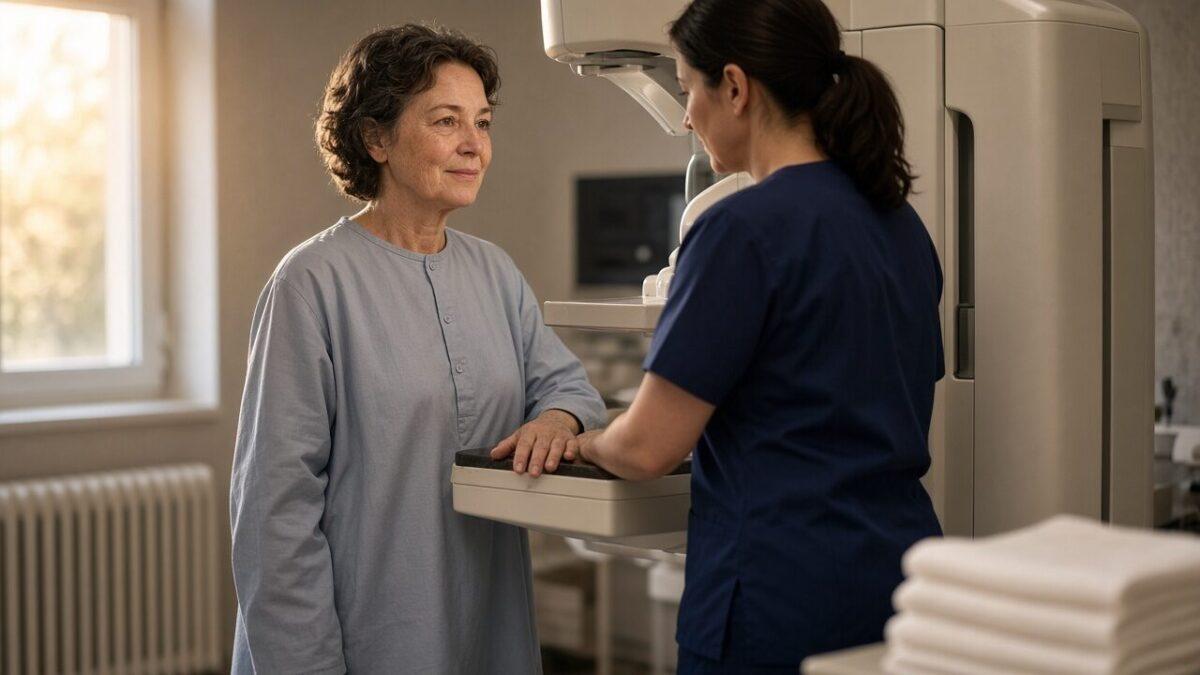
The UK's National Health Service has begun recruiting women for what NHS England calls the largest trial of its kind, testing whether artificial intelligence can catch breast cancer earlier. Around 700,000 women are expected to join.
The study, known as Edith, will run at 30 sites over the next three years. It carries a £10 million price tag and is led by the University of Warwick, the University of Cambridge and Cambridge University Hospitals NHS Foundation Trust.
The first women have already started at the Cambridge site. Thousands more will be invited at further sites in the coming months.
How the trial works
The technology assists specialists reviewing images taken as part of the NHS breast screening programme. Under current practice, two specialists check every patient's images.
Edith tests whether AI can support a single specialist in that review. NHS England says that could free up radiologists' time and cut waiting lists. The software may also help spot cancer too small to see or feel.
Women taking part attend screening as usual. They keep the option to opt out, and every clinical decision stays with NHS staff, the trial's organizers said.
Why it matters beyond Britain
Breast screening programmes around the world depend on scarce specialist readers, and waiting lists for image review are a common pressure point. A tool that safely halves the reading workload could shift how screening is staffed and scheduled.
Any results will be watched closely by health systems weighing whether to put AI into routine cancer checks. The trial's three-year window means answers are still some way off.
What to watch
Recruitment is the near-term marker. Invitations will expand across England's participating sites over the coming months, and the trial will need hundreds of thousands of participants before it can say anything firm.
The other measure is diagnostic quality. The study is designed to show whether AI-assisted reading holds up against the two-specialist standard, including on cancers that are hard to detect.
For now, the people making the calls remain the same. Experts stressed that "all clinical decisions" will rest with NHS staff rather than the software.
 Take the quizWhat Kind of Holiday Spender Are You? Take the Black Friday QuizStart →


 LifestyleWhy Do Long Lines Make People Curious? 5 Reasons We Join the Crowd
 Technology · Apps & SoftwareHow to Secure a Home Wi-Fi Network: 7 Steps Cybersecurity Agencies Recommend
 Lifestyle · Food & HealthHigh Blood Pressure: Symptoms, Readings and 5 Ways to Lower It, Experts Say
 Lifestyle5 Subtle Signs You Still Feel Lonely Even in a Crowded Room