Colorado Woman, 41, Diagnosed With Lung Cancer After Coughing Up Blood
A Colorado woman initially blamed a cough and crackling lungs on winter illnesses. After coughing up blood, she learned she had small cell lung cancer, COVID-19 and pneumonia; treatment later included chemotherapy, radiation and immunotherapy.
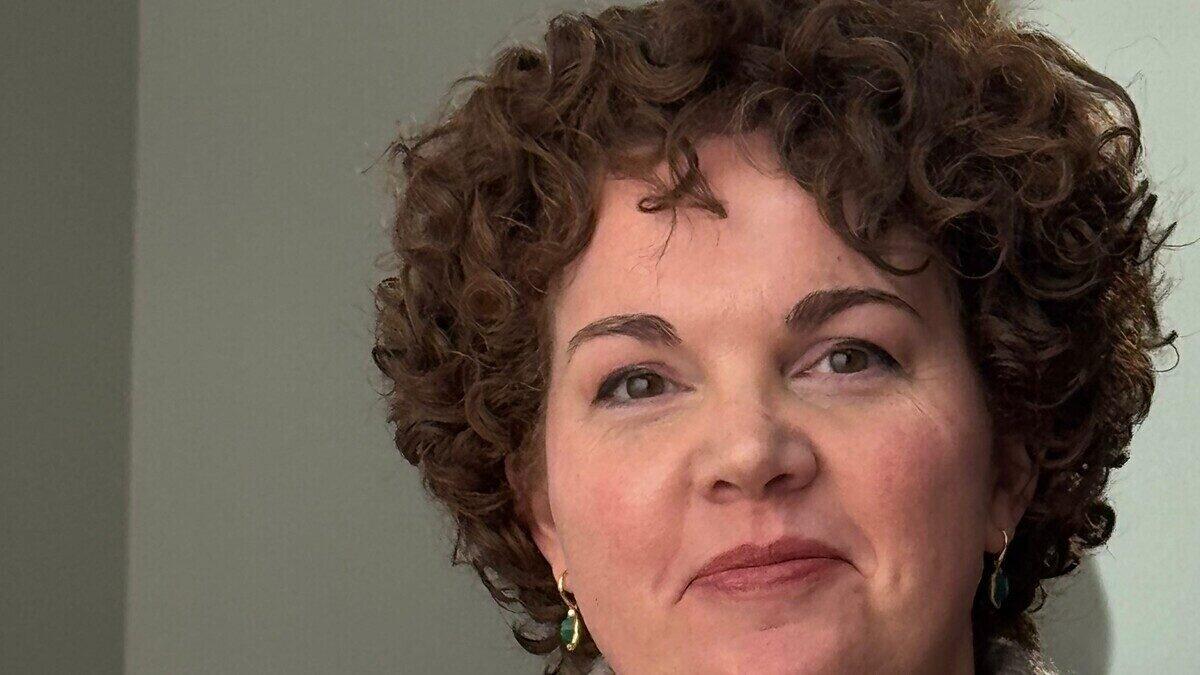
A Colorado woman who thought her cough was a cold or COVID-19 learned after medical tests in December 2023 that she had small cell lung cancer. Her experience shows how an appointment for coughing up blood led to imaging, a biopsy and a cancer diagnosis.
She first noticed a crackling sound in her lungs when she breathed, followed by an intermittent cough. With her children sick during winter, she assumed she had caught an infection.
On December 27, she coughed up blood and booked a doctor’s appointment for the next day. Her doctor ordered a chest X-ray, then sent her for more tests and a chest CT scan after spotting something that needed investigation.
At urgent care, she learned she had tested positive for COVID-19 and had pneumonia. Doctors also found another issue in her chest.
A few days later, a pulmonologist called after a lymph-node biopsy and diagnosed small cell lung cancer, or SCLC. An oncologist told her that people diagnosed with the disease live an average of one to two years.
The woman said she had never smoked and had been active and healthy. She was 41 when diagnosed and had previously had a small melanoma removed in her early 20s.
She began six rounds of chemotherapy, alongside six weeks of chest radiation. Doctors later found 30 cancer cells in her brain, leading to 10 days of whole-brain radiation.
Follow-up scans showed the cancer shrinking. After new growths appeared a few weeks after a period of improvement toward the end of summer 2024, her oncologist arranged access to Imdelltra, an immunotherapy drug offered at the University of Colorado Anschutz.
She received her first dose on October 8, 2024. The treatment involved an intravenous infusion lasting about an hour, followed by two hours of observation, and was scheduled every two weeks.
Several scans later showed no signs of disease. Her doctor described her status as “consistently No Evidence of Disease” and cautioned against calling it remission.
She said she does not know how long she will need treatment or whether the drug will continue to work. Small cell lung cancer can respond to initial treatment and later return, she said.
Lung cancer is the second most common cancer for men and women, with around 229,000 new cases diagnosed each year, the account said. About 20% of people diagnosed with lung cancer have never smoked, while small cell lung cancer accounts for around 10% to 15% of lung cancers.
Low-dose CT screening is recommended for people ages 50 to 80 who currently smoke or used to smoke and have a 20-pack-year history, defined as smoking the equivalent of one pack a day for 20 years.
 Take the quizWhat Kind of Holiday Spender Are You? Take the Black Friday QuizStart →
- 1U.S. Emergency Alert Test Nov. 17 Is Not a Power Outage

- 2Women With Autoimmune Diseases Wait About 4 Years for Diagnosis, Study Finds

- 3DUP Chairman Lord Morrow Loses Wife and Daughter Within Hours in NI

- 4Micron Stock Falls 28% as $35.16 Billion Buyback Nears

- 5I’m A Celebrity 2026 Line-Up: Rooney Leads 11 Stars Into Jungle

 Lifestyle7 Signs Your Social Battery Is Running Low (and Why You Keep Cancelling Plans)
 Lifestyle · Food & HealthThanksgiving Food Safety: How Long Leftovers Last and the Safe Turkey Temperature
 Lifestyle7 Quiet Habits of Emotionally Intelligent People, According to Psychologists
 LifestylePeople Who Don’t Like Celebrating Their Birthday Often Share These 7 Traits