Microplastics Study Finds Tumor Growth in Cancer-Prone Mice
A study links long-term exposure to polystyrene nanoplastics with more and larger colon tumors in genetically predisposed mice. Researchers say the findings do not prove plastics cause rising colorectal cancer in young people, but they add to concerns that warrant further study.
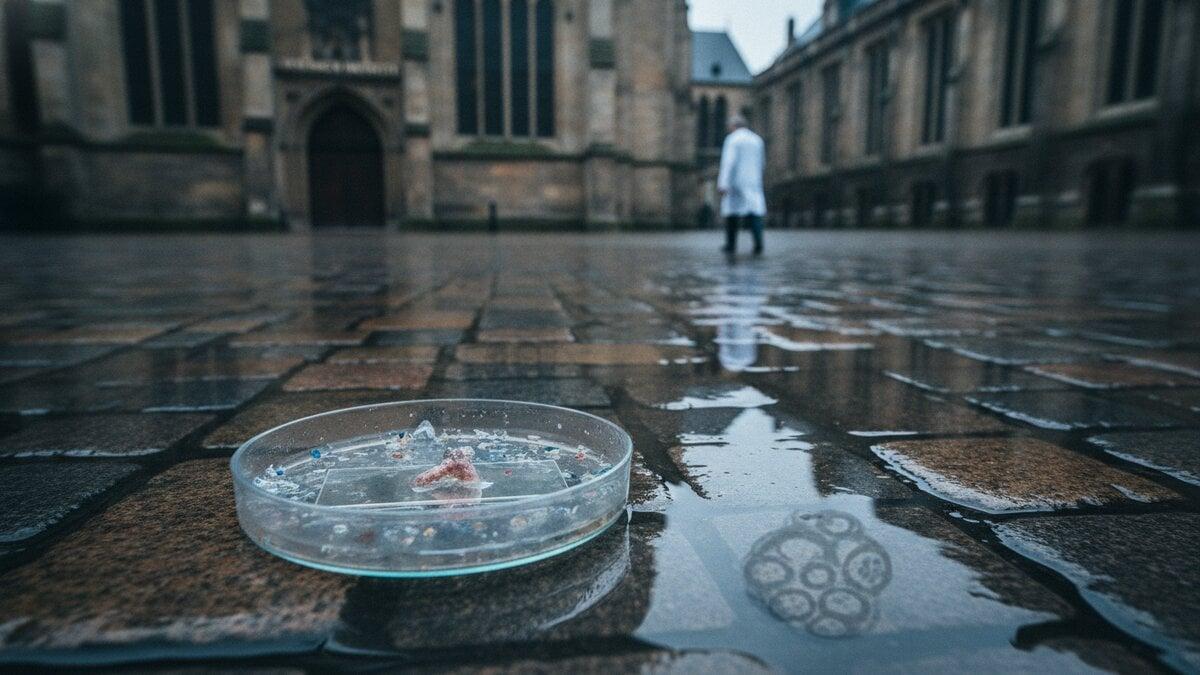
Researchers at Central South University in China found that long-term exposure to polystyrene nanoplastics promoted tumor growth in mice genetically predisposed to colon cancer, a finding that adds to questions about the rising rate of early-onset colorectal cancer. The study links microplastics rise to a possible risk, but does not establish that plastic exposure causes cancer in people.
The mice exposed to the nanoplastics developed more tumors, and more severe tumors, than mice that were not exposed. Researchers found that the particles accumulated in the colon, disrupted cells lining the gut and altered the balance of gut bacteria.
The study was released last month. Polystyrene is used in foam cups and containers.
In the United States, colorectal cancer rates among adults ages 20 to 49 increased by 3% every year between 2013 and 2022. Researchers have considered processed foods, gut toxins and sedentary lifestyles as possible contributors.
Other research has also raised questions about plastics. A study published last year found higher concentrations of microplastics in colorectal cancer tumors than in healthy tissue nearby. Researchers say more investigation is needed before they can establish a clear link between microplastics and the disease.
Lorne Hofseth, a professor and associate dean for research at the University of South Carolina’s College of Pharmacy, said, “My intuition says it’s a major factor.” He pointed to the rise in several possible exposures, including ultra-processed foods, chemicals and microplastics.
Researchers began identifying an increase in early-onset colorectal cancer in the 1990s. Because the disease typically takes around 20 years to develop after exposure, they are examining risk factors that increased from the 1970s onward and affect people across the world.
The recent spike in US cases is probably partly due to a 2021 change in screening guidelines, which lowered the recommended starting age from 50 to 45. The broader rise has continued over a longer period.
Frank Frizelle, a professor of surgery at the University of Otago in New Zealand, said microplastics may affect the mucus layer that protects the colon wall from toxins and microbes. “My own thoughts are that it’s going to prove not to be the microplastics themselves – microplastics are going to prove to be a way of getting through the mucous layer,” he said.
Early-onset cancers are more likely than cancers in older people to involve the colon’s mucus layer. Some animal studies have found that microplastics can damage it, according to the research discussed by the researchers.
Frizelle said screening can help manage the problem by removing precancerous growths before they develop into cancer. In Austria, where screening begins at age 40 rather than 45 or 50, scientists do not see a marked increase in early-onset cancer, and rates are declining.
He also urged people to consider how food is exposed to plastic. Avoiding heating food or drinks in plastic containers can reduce exposure, because heating causes chemicals to leach out at a higher rate.
 Take the quizWhat Kind of Holiday Spender Are You? Take the Black Friday QuizStart →
- 1U.S. Emergency Alert Test Nov. 17 Is Not a Power Outage

- 2Women With Autoimmune Diseases Wait About 4 Years for Diagnosis, Study Finds

- 3DUP Chairman Lord Morrow Loses Wife and Daughter Within Hours in NI

- 4Micron Stock Falls 28% as $35.16 Billion Buyback Nears

- 5I’m A Celebrity 2026 Line-Up: Rooney Leads 11 Stars Into Jungle

 Lifestyle7 Signs Your Social Battery Is Running Low (and Why You Keep Cancelling Plans)
 Lifestyle · Food & HealthThanksgiving Food Safety: How Long Leftovers Last and the Safe Turkey Temperature
 Lifestyle7 Quiet Habits of Emotionally Intelligent People, According to Psychologists
 LifestylePeople Who Don’t Like Celebrating Their Birthday Often Share These 7 Traits