Vitamin D Supplements: Winter Advice and Safe Daily Doses
Adults and children over 4 should take 10 micrograms (400IU) of vitamin D daily during autumn and winter, the article says. The recommendation reflects limited sunlight during those months, while some people may need supplements year-round. Higher doses should be taken only under medical supervision for a confirmed deficiency.
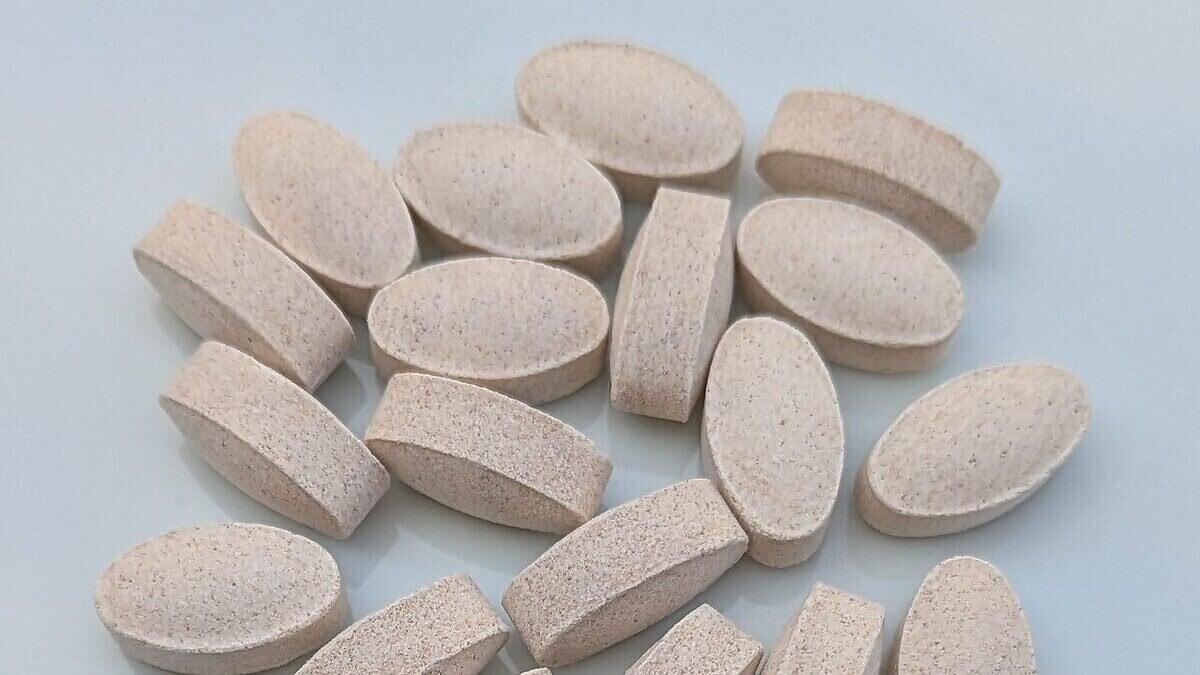
Adults and children over 4 should take 10 micrograms (400IU) of vitamin D daily during autumn and winter, according to guidance outlined by Dipa Kamdar, a senior lecturer in Pharmacy Practice at Kingston University. The advice reflects the weaker sunlight available for vitamin D production during colder months, making vitamin supplements a good idea for many people.
From October to early March, sunlight is not strong enough for skin to produce vitamin D, even on bright days, the article says. Between late March and September, most people can make enough naturally.
Vitamin D helps the body absorb calcium and regulate calcium and phosphate levels, which support healthy bones, teeth and muscles. A lack of the vitamin can lead to soft bones in adults and rickets in children.
Food contributes a smaller share of vitamin D intake. Oily fish, red meat, egg yolks and fortified cereals contain the vitamin, but the article estimates that diet supplies roughly 10–20% of people’s vitamin D levels.
Some groups may need supplements throughout the year, including people with darker skin, those who cover their skin for cultural or medical reasons, and people who spend long periods indoors or are housebound. Adults over 65 should also consider year-round supplementation because the body’s production and processing of vitamin D change with age.
Babies under 1 who are breastfed or partly breastfed should receive 8.5-10 micrograms daily throughout the year. Babies who drink less than 500ml of formula a day should also receive a supplement, while formula is already fortified with vitamin D.
Kamdar’s article says vitamin D supplementation alongside calcium can help maintain bone mineral density and has reduced fracture risk in trials involving people with osteoporosis. It also describes possible links with cardiovascular health, respiratory infections and mood, while noting that evidence for some of those effects is mixed or not definitive.
The article cautions against exceeding the recommended standard dose. Higher doses should be taken only under medical supervision for a confirmed deficiency, and long-term intake above 100 micrograms daily can cause excessive calcium levels, potentially harming bones, kidneys and the heart.
Products containing up to 25 micrograms (1,000IU) are considered safe for general use, the article says, but taking more than recommended is unnecessary and can be harmful.
 Take the quizWhat Kind of Holiday Spender Are You? Take the Black Friday QuizStart →
- 1U.S. Emergency Alert Test Nov. 17 Is Not a Power Outage

- 2Women With Autoimmune Diseases Wait About 4 Years for Diagnosis, Study Finds

- 3DUP Chairman Lord Morrow Loses Wife and Daughter Within Hours in NI

- 4Micron Stock Falls 28% as $35.16 Billion Buyback Nears

- 5I’m A Celebrity 2026 Line-Up: Rooney Leads 11 Stars Into Jungle

 Lifestyle7 Signs Your Social Battery Is Running Low (and Why You Keep Cancelling Plans)
 Lifestyle · Food & HealthThanksgiving Food Safety: How Long Leftovers Last and the Safe Turkey Temperature
 Lifestyle7 Quiet Habits of Emotionally Intelligent People, According to Psychologists
 LifestylePeople Who Don’t Like Celebrating Their Birthday Often Share These 7 Traits