AI Detector Puts Presidential Speeches Under the Microscope as Scrutiny of Political Messaging Grows
What if a president’s words were partly machine-made? That question now sits at the heart of a new experiment that puts top officials’ speeches through
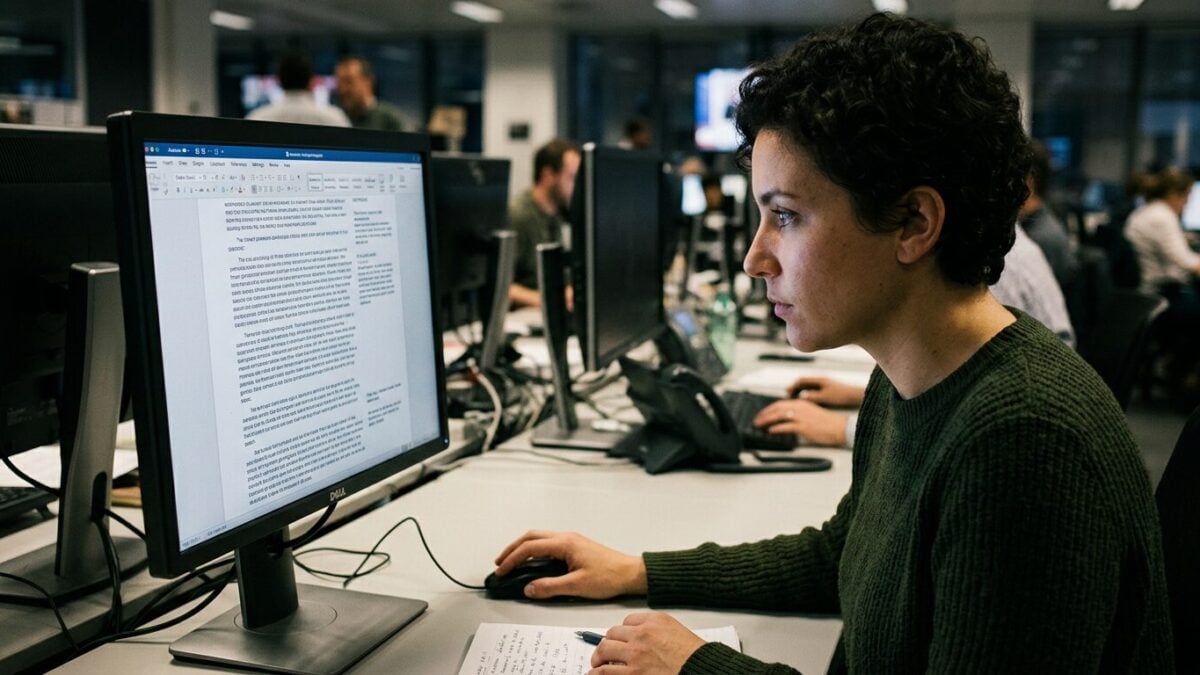
What if a president’s words were partly machine-made? That question now sits at the heart of a new experiment that puts top officials’ speeches through an AI detector, a test aimed at separating human phrasing from content that may have been generated or polished by software.
The project, reported by News24 on Aug. 21, arrives as governments, campaigns and newsrooms worldwide wrestle with a simple problem: AI can draft polished language fast, and public audiences are left wondering who really wrote the lines they hear. The detector’s findings are being used to probe speeches by senior officials, including presidential remarks, in a bid to spot signs of machine assistance. The stakes are obvious. Trust is thin. And public language matters.
Why the test matters
Political speech has always been crafted, edited and rehearsed. But AI changes the scale and speed. A few prompts can produce a statement that sounds disciplined, fluent and safe. That makes detection more than a technical parlor trick. It becomes a check on authenticity.
For global audiences, the issue reaches beyond one country or one leader. In capitals from Washington to Kyiv, from campaign stages to government briefings, officials now face the same pressure: explain policy clearly, without sounding canned. AI tools can help draft that message. They can also blur authorship.
That blur is the problem.
Detection meets public life
The News24 piece places the detector in a broader media environment where readers are already swimming through synthetic text, automated summaries and lightly edited speech transcripts. Once a public figure’s remarks enter that stream, the line between original voice and machine-assisted polish gets harder to see.
Internationally, that matters for more than style. A speech attributed to a president can move markets, shape diplomatic responses or set the tone for a crisis. If voters or foreign governments start doubting whether the words are fully human, the message loses force before the policy does.
And that is exactly why these tests are drawing attention now. Not because every polished sentence is suspect. Because people increasingly want proof.
What comes next
The next step is less about one score on a detector and more about whether such tools can build credibility in public communication. If they become routine, officials may have to answer not just for what they say, but for how it was written.
For now, the experiment lands in a world where AI is already changing how speeches are drafted, how transcripts are read and how audiences judge sincerity. The detector can flag a pattern. It cannot settle the politics behind it.