South African Treasury flags Nelson Mandela Bay’s R23 billion write-off plan as unlawful
South Africa’s National Treasury has told Nelson Mandela Bay that its plan to wipe out R23 billion in unauthorised, irregular, fruitless and wasteful expendi...
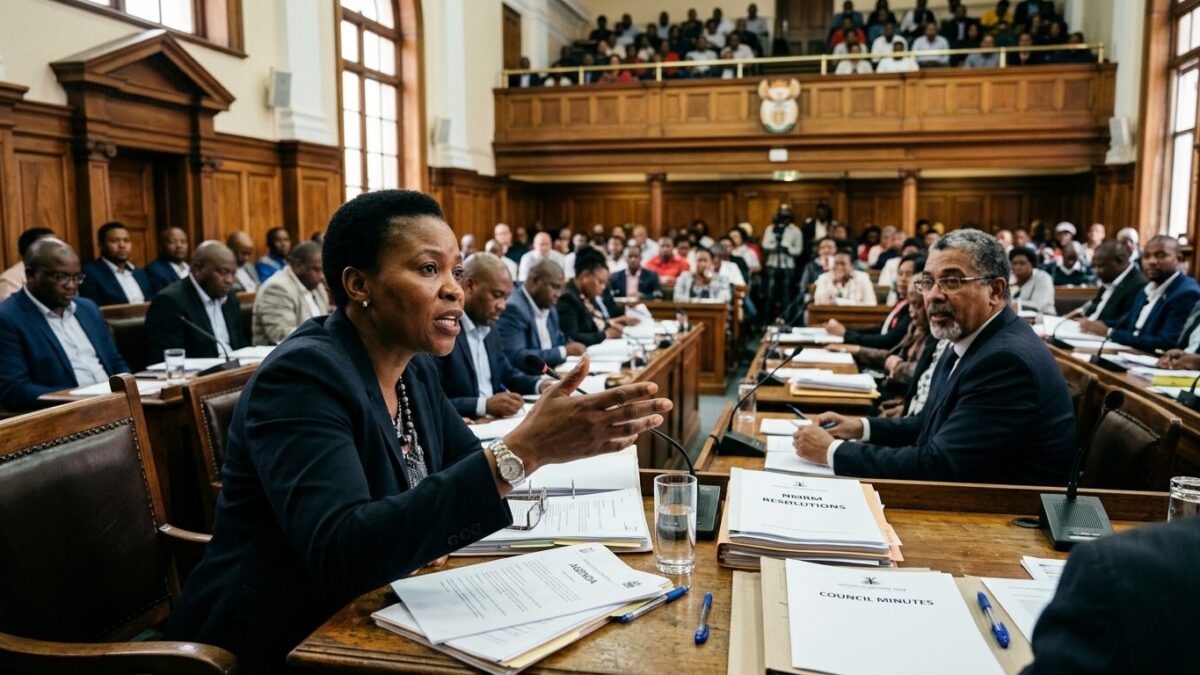
South Africa’s National Treasury has told Nelson Mandela Bay that its plan to wipe out R23 billion in unauthorised, irregular, fruitless and wasteful expenditure is unlawful, putting the metro’s political leadership on notice just as the proposal heads toward council. The dispute centres on whether the city followed the strict steps required under the Municipal Finance Management Act.
The warning comes after the metro’s Municipal Public Accounts Committee this month recommended the write-off without an item-by-item investigation, as required by law. The spending in question was accumulated between 2009 and 2021. The Treasury said that if council approves the move without proper procedure, officials will have to show evidence of what process was followed by 31 October.
Why Treasury says the plan falls short
At the heart of the row is section 32 of the MFMA, which governs how municipalities deal with unauthorised and irregular spending. Treasury said Nelson Mandela Bay’s approach does not line up with that section because the committee did not investigate each expenditure item individually.
That matters. A lot.
Without that scrutiny, the write-off cannot simply be treated as an accounting clean-up. It also raises questions about recoveries and accountability for money that may have been spent outside the rules. In an earlier move, the Democratic Alliance asked both Treasury and the Auditor-General to step in, warning that the committee had pushed ahead before the required investigation was complete.
Political pressure inside the metro
The committee vote exposed divisions inside the council. DA and ACDP councillors said the process was unlawful, while ANC and EFF members, who hold a majority on MPAC, supported the recommendation. The final decision still rests with council.
Treasury’s response has now sharpened the stakes for councillors. If they back the write-off without meeting legal requirements, the city may have to produce proof of compliance later this year. The implication is clear: a vote alone will not fix a flawed process.
The Treasury also said the affidavit prepared by acting city manager Lonwabo Ngoqo is legally defective, adding another layer of risk to the metro’s bid to clear the books. For a municipality already under pressure over rising UIFWE, the message from Pretoria was blunt.
Unlawful, Treasury said.