London Zoo’s Annual Health Check: 400 Animals Step on the Scales
Capybaras nibble treats. Penguins waddle forward. A monkey eyes the scale suspiciously. At London Zoo, it's weigh-in day—a marathon session where keepers coa...
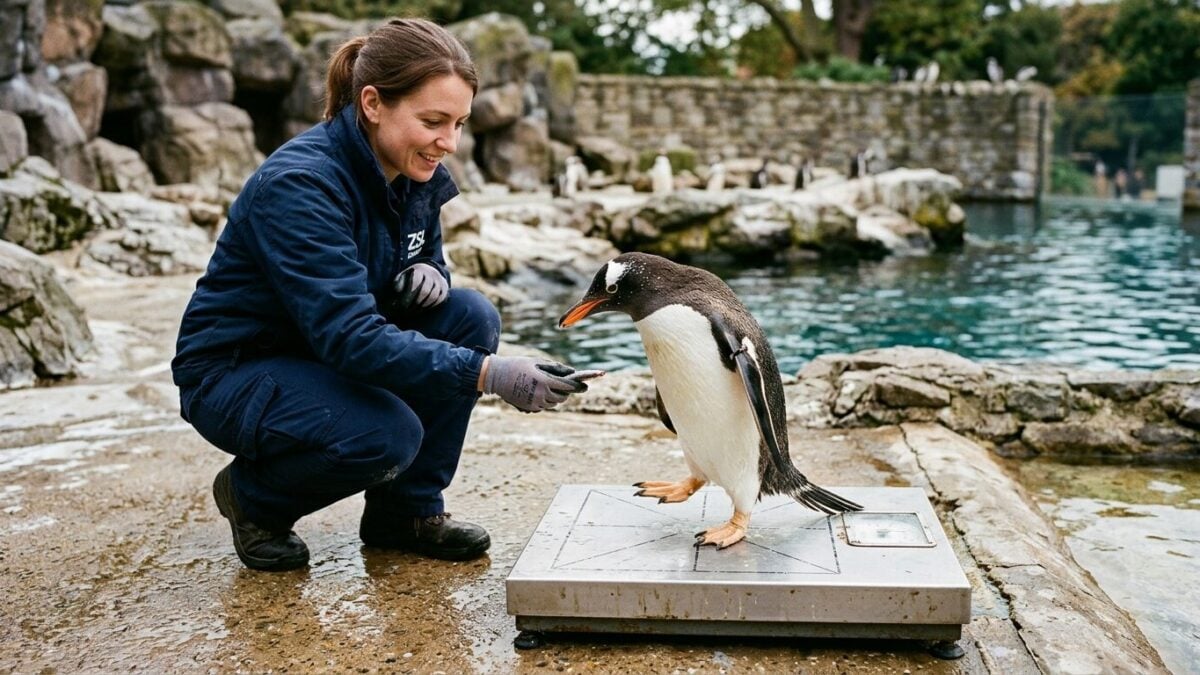
Capybaras nibble treats. Penguins waddle forward. A monkey eyes the scale suspiciously. At London Zoo, it's weigh-in day—a marathon session where keepers coax over 400 creatures onto measuring platforms to track their vital signs and catch any health problems early.
The zoo houses more than 14,000 animals across nearly 400 species, yet staff can only assess a fraction of them in a single day. It's a logistical puzzle that runs from dawn to dusk.
A Global Database for Conservation
Every weight recorded gets fed into ZIMS—the Zoological Information Management System—a shared platform used by animal carers and conservationists worldwide. The data helps experts monitor thousands of endangered creatures, spotting trends and health risks that might otherwise go undetected. For institutions working to save species from extinction, this information matters.
Some animals cooperate. They've learned that perching on a scale brings rewards—a chunk of fruit, a favored snack, a moment of calm interaction with their keepers. Others need coaxing. Magnolia land snails, tiny and reluctant, demand patience and strategy.
Why Weight Tells a Story
Daniel Simmonds, the zoo's animal operations manager, explains the stakes plainly: "Regular weigh-ins help zookeepers track the health of our animals, including invertebrates like the magnolia land snails, the capybaras and Humboldt penguins, and genuinely help us manage the care of these animals, who play a vital role in our global conservation efforts."
A shift in weight can signal infection, stress, aging, or nutritional imbalance. For creatures under human care—especially those bred as part of international breeding programs—this data becomes part of their medical record and informs decisions about diet, habitat, and breeding eligibility.
The day is exhausting for staff. Thousand upon thousand of animals across the collection. Yet for the 400 that make it onto the scales, it's an invisible act of care—a number logged, a trend tracked, a species counted and monitored for survival.