Putin Ally Fuels Fresh Ukraine War Escalation Fears With Threats Against UK Drone Sites
Russian rhetoric around the war in Ukraine turned sharper on Aug. 25, 2026, after a close ally of Vladimir Putin suggested Britain’s drone factories should
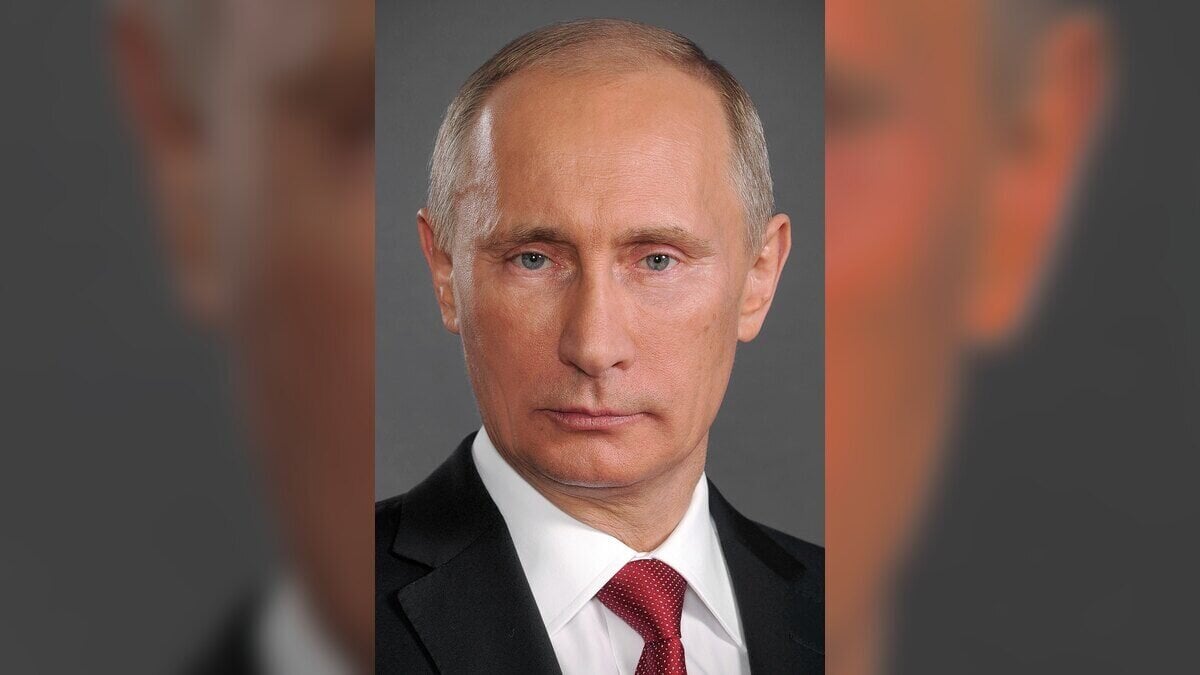
Russian rhetoric around the war in Ukraine turned sharper on Aug. 25, 2026, after a close ally of Vladimir Putin suggested Britain’s drone factories should be hit. The comments revived fears of escalation and put the English town of Swindon in the frame because nine drone manufacturing facilities are there.
Vladimir Solovyov, a prominent Russian propagandist and a long-time Putin supporter, made the threat on his radio show Full Contact. His comments came as Moscow again accused Britain of deep involvement in the war and as Western governments kept pressing military support for Kyiv.
Swindon pulled into the row
The threat focused on a quiet commuter town in England’s southwest. Swindon has become the unlikely backdrop to a geopolitical warning after reports that nine drone manufacturing sites are located there. Solovyov asked why Britain’s factories had not been struck, saying Russian forces should target the sites producing drones used against Russian territory.
The language was blunt. He said Britain was openly claiming the drones were its own and asked why the factories had not been destroyed. He also suggested London would not be able to respond effectively. The remarks were framed as a challenge, but they landed like a warning shot.
The town has already been linked, indirectly, to earlier Russian operations in Britain. The source material notes that Putin ordered the Salisbury poisonings, placing this latest threat against a UK location in a broader pattern of hostile messaging aimed at British soil.
Britain accused of ‘participating in this war’
The latest Russian warnings were not limited to Solovyov. Kremlin spokesman Dmitry Peskov said Britain was “participating in this war” on the side of Ukraine and accused it of helping fuel the conflict rather than easing it. He described Moscow’s reaction to a reported British handover of Storm Shadow missile blueprints to Ukraine as “extremely negative.”
That claim followed reports that British Prime Minister Andy Burnham had visited Kyiv and vowed to hand Volodymyr Zelensky the secret blueprints for the missiles, which are used to boost weapon production. Russia seized on the development to argue that Britain had crossed a line.
Across Moscow’s political and media class, the message has been consistent: countries supplying Ukraine with military support are being cast as active combatants. That framing matters. It narrows the space for diplomacy and makes even industrial targets, such as drone factories in England, part of a larger threat narrative.
Nuclear language returns to the surface
The threat against Swindon sits inside a broader pattern. Russian officials and allies have been issuing tougher warnings about nuclear escalation as battlefield pressure rises. One Russian adviser, Sergei Karaganov, argued the Kremlin should revise its doctrine to allow nuclear use if attacked by Western states, saying European countries supporting Ukraine could be “reduced to dust.”
Separately, Russia’s Deputy Foreign Minister Mikhail Galuzin warned that Putin was ready to use “all means including nuclear ones” if Russia or Belarus faced security threats. The United States, meanwhile, has said Russia’s war in Ukraine has become a strategic disaster, with UN representative Dan Negrea warning that escalation would only worsen Moscow’s position.
That mix of battlefield strain, retaliatory threats and nuclear language has kept the temperature high. Czech President Petr Pavel has warned Europe has only a short window to push for peace before Moscow may move to a bigger mobilisation after parliamentary elections in September. For now, though, the sharpest line came from Solovyov: “England, why are we yet to carry out the strikes against the factories that produce the drones for the strikes against our territory?”