Ex-building commissioner tells corruption inquiry alleged shakedown was used to pressure him over Toplace order
Former NSW building commissioner David Chandler has told a corruption inquiry that an alleged “extortion attempt” involving construction company Toplace was ...
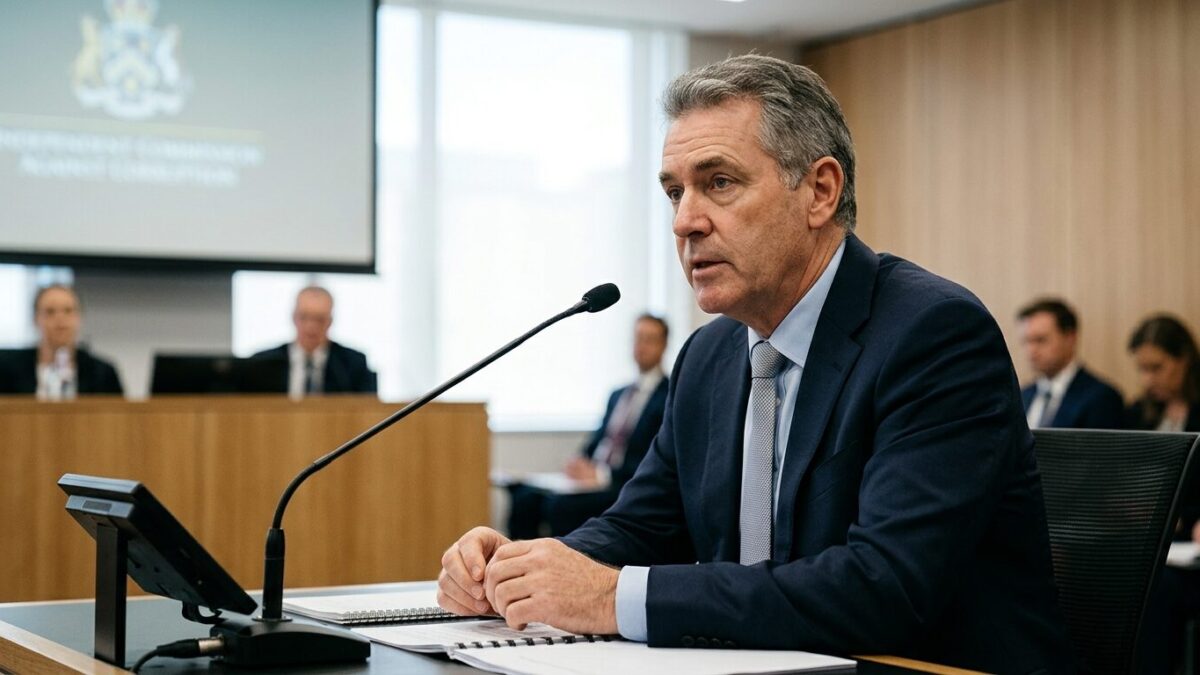
Former NSW building commissioner David Chandler has told a corruption inquiry that an alleged “extortion attempt” involving construction company Toplace was raised against him in 2021, during a meeting that later fed efforts to lift a prohibition order on one of its developments. The hearing sits inside a wider ICAC probe into whether political donations and influence were traded for favours in Sydney’s property and Liberal Party circles.
ICAC digs into donations and influence
The Independent Commission Against Corruption is examining whether people linked to the NSW Liberal Party sought funds from prohibited donors and other sources to help the right-wing NSW Reformers faction. Investigators are also looking at whether donations linked to fugitive property developer Jean Nassif were exchanged for political favours, including moves to remove Chandler as building commissioner.
Nassif fled to Lebanon in December 2022 and is expected to appear before the commission via video link next Friday. His case has become central to a broader inquiry into how money, party interests and planning decisions may have intersected in New South Wales, Australia’s most populous state.
What Chandler told the inquiry
Chandler said the allegation of an extortion attempt targeting Toplace was used against him in efforts to get the prohibition order lifted. The commission is probing the circumstances around that pressure and whether the matter was leveraged for political or commercial advantage.
Toplace has been drawn into the inquiry because of its links to the disputed development and the wider questions around what influence, if any, was being applied behind closed doors. Chandler’s evidence adds another strand to a case already marked by claims of donor access, party fundraising and the use of political connections to shape outcomes.
The hearing has sharpened attention on ICAC’s role in testing the boundaries between lawful lobbying and improper influence. In Australia, corruption agencies have increasingly faced scrutiny over planning, development and political donations, areas where public and private interests often collide.
The commission has not yet resolved whether any donations were tied to favours, or whether any attempt to remove Chandler was part of a broader arrangement. Nassif’s scheduled appearance next Friday is likely to be a key moment in the inquiry, with the commission set to test claims from both sides under oath.
For now, Chandler’s evidence leaves one message hanging in the air: the alleged shakedown was not just a side issue. It was, in his account, part of the pressure campaign.