Bondi families push for royal commission as fears of whitewash grow
Families affected by the Bondi attack are demanding a royal commission, saying the government’s antisemitism inquiry has not gone far enough. Their push come...
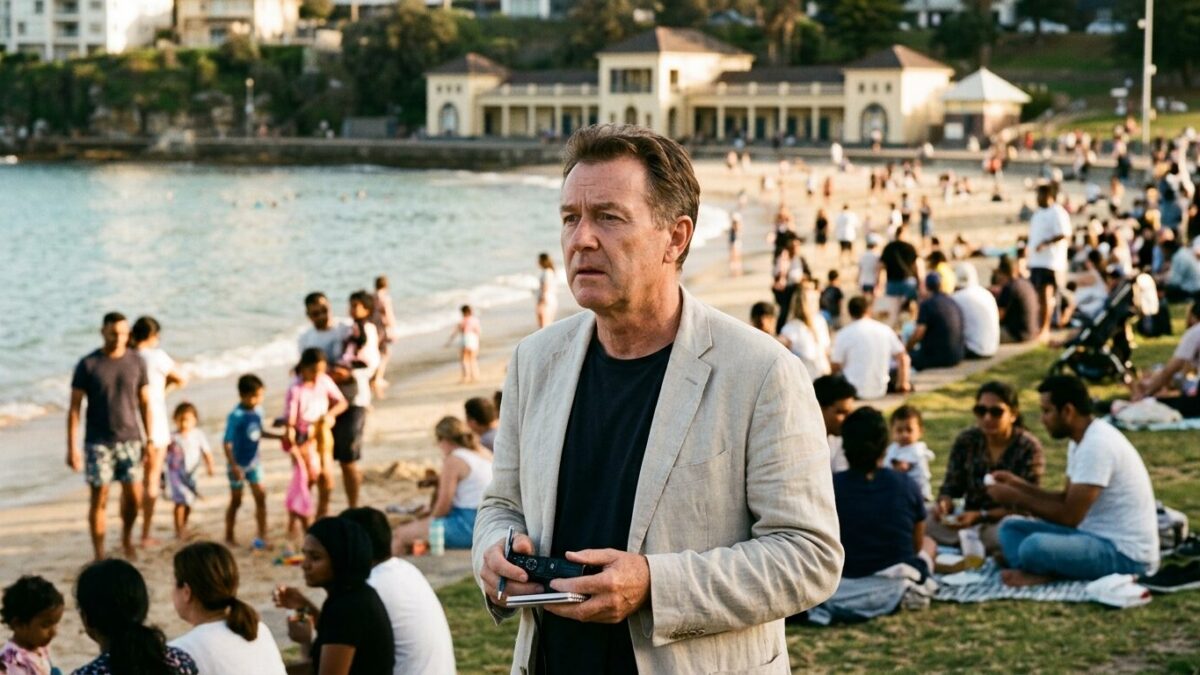
Families affected by the Bondi attack are demanding a royal commission, saying the government’s antisemitism inquiry has not gone far enough. Their push comes after fresh reporting on the alleged gunman’s secretive life and the accidental release of a separate extremism review to witnesses in the inquiry.
The renewed pressure has sharpened accusations that Labor’s response is a political “whitewash”, with critics arguing the probe cannot satisfy survivors or the wider Jewish community unless it has the powers and independence of a royal commission. The debate is playing out as investigators and witnesses continue to examine how Australia’s worst-ever terror attack was planned.
Families want more than an inquiry
The Bondi families say the current process leaves too many questions unanswered. They want a broader, deeper examination of the attack and the failures around it, not a limited review that can be dismissed as a political fix.
The call has been amplified by concern over how much relevant material has surfaced only gradually. One report said a secret extremism review was accidentally released to witnesses in the antisemitism inquiry, adding to unease about what the government has disclosed and when.
That disclosure has fuelled suspicion among critics who see the probe as too tightly managed. For them, the issue is no longer just one attack. It is whether authorities are willing to confront the full extent of domestic extremism and antisemitism without trimming the edges.
A gunman who stayed hidden
Reporting on Sajid Akram has added another layer to the pressure. ABC News described him as unusually secretive, even to members of his own family. His Australian brother-in-law said Akram kept almost nothing about his work, friends or interests in view, and even his phone habits stood out.
According to that account, Akram once mentioned wanting a gun licence more than a decade before he and his son, Naveed Akram, used legally obtained weapons in the Bondi massacre last December. The same report said Akram took his son on several trips west of Sydney in the year before the attack, visiting a rural property owned by a Greek army veteran.
Reuters reported in December that Indian police said the alleged gunman had limited contact with family in India and that they were unaware of any radical mindset. Police also said his degree in commerce was from Hyderabad and that radicalisation appeared unconnected with India.
Pressure on the government
The call for a royal commission has become a test of trust. Critics say anything less risks looking like a political compromise, especially after the accidental release of the extremism review and growing scrutiny of how the attack unfolded.
The families leading the push argue that the job is not done. That line has landed hard because it captures the mood around Bondi: grief, anger and a demand for answers that no short inquiry has yet been able to satisfy.
As one Reuters report on the attacker’s family background put it, Indian police said the alleged gunman’s “radicalisation” seemed unconnected with India. The broader question now is whether Australia’s own institutions can show the same clarity about what happened at home.