Town haunted by nightly suicide threats faces urgent mental health crisis
A town in Victoria is confronting a suicide crisis after repeated nighttime threats have left residents fearing that someone may die before dawn. The warning
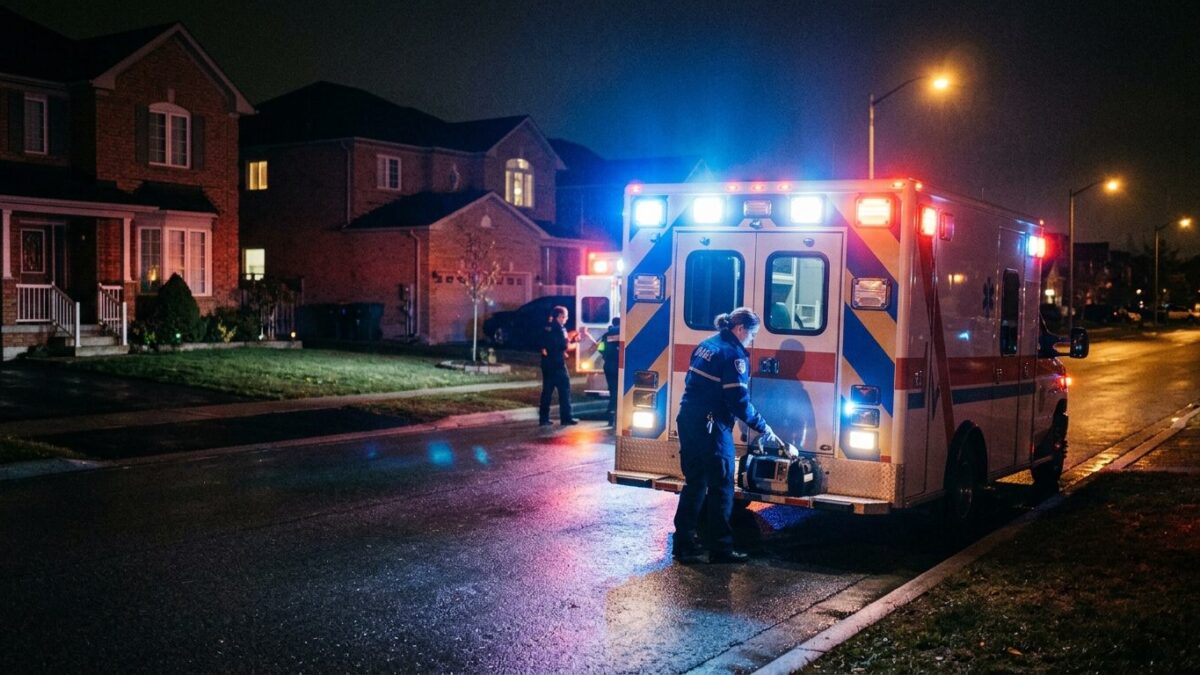
A town in Victoria is confronting a suicide crisis after repeated nighttime threats have left residents fearing that someone may die before dawn. The warning line “going to die tonight” has become part of the grim language surrounding the community’s emergency response.
A chilling phrase, a real emergency
The phrase surfaced in coverage of a town’s suicide crisis and captures the urgency now hanging over the community. It points to a place where distress is no longer abstract or distant. It feels immediate. Personal.
News.com.au framed the situation with that stark line, underlining how quickly a mental health emergency can overwhelm a small town. The details available from the report are limited, but the message is clear: local residents and responders are dealing with repeated, acute risk, and the stakes are measured in lives.
That kind of crisis rarely stays local for long. Across countries, communities facing suicide clusters or repeated self-harm emergencies often struggle with the same pressures — thin services, exhausted first responders, and families who do not know where to turn fast enough. When the warning signs come at night, the scramble gets harder.
Why the story resonated beyond one town
The language used in the report echoes a broader global problem: how communities recognize and respond to extreme psychological distress before it turns fatal. Public health experts around the world have long warned that suicide prevention depends on fast access to support, trusted local systems and people willing to act on danger signs early.
In that sense, the story from Victoria speaks to more than one postcode. Towns in Australia, the United States, Britain and elsewhere have all faced crises where emergency calls, community grief and mental health gaps collide. The pattern is familiar. The pain is not.
Other recent reports from different parts of the world show how sudden emergencies can end in death even after rapid intervention. In Surf City, North Carolina, an adult swimmer died after being pulled from the water and given CPR by bystanders and first responders. In Idaho, a mayor died after experiencing a medical emergency while speaking at a town hall meeting. Different settings. Same fragility.
A warning that lingers
The Victoria report does not provide the full scope of the town’s crisis, and that silence matters too. It leaves the focus on the warning itself — and on what happens when a community learns to fear the night.
For now, the phrase at the center of the report hangs there, unresolved. Going to die tonight. Three words, and a town on alert.