UK Man Sentenced for Concealing Body of Arson Suspect in Wheelie Bin
A 61-year-old man in Liverpool has been imprisoned for hiding a corpse in a wheelie bin, raising questions about how he managed to move the
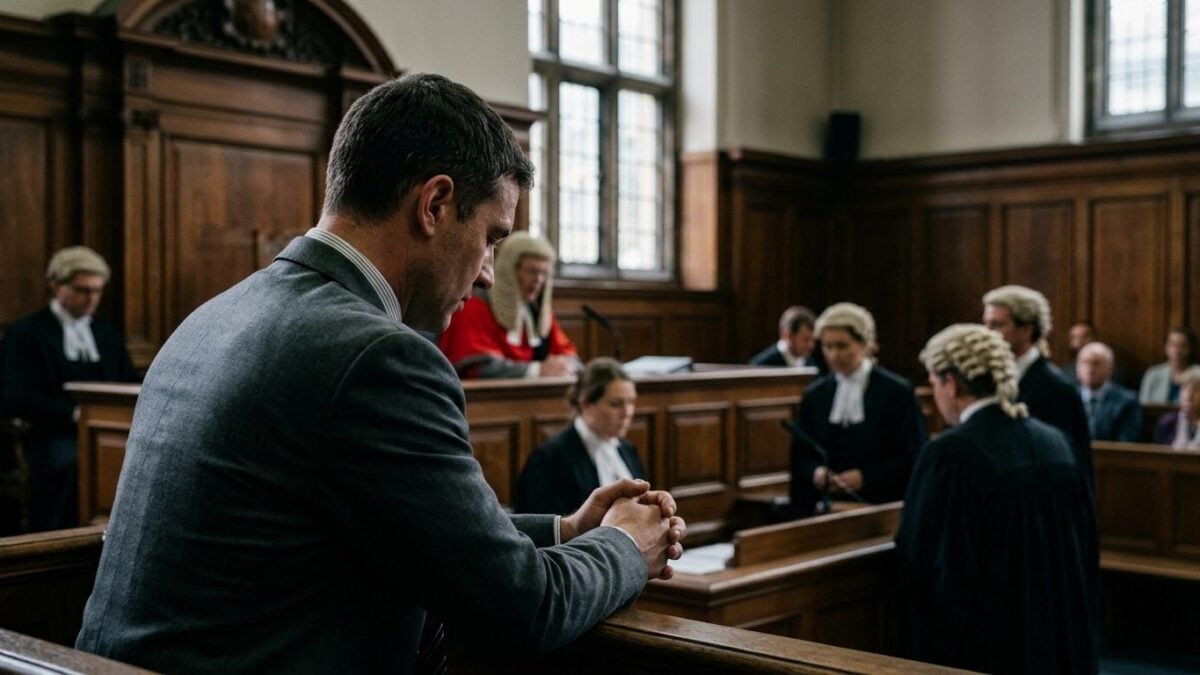
A 61-year-old man in Liverpool has been imprisoned for hiding a corpse in a wheelie bin, raising questions about how he managed to move the remains alone. Steven Wales received a two-year, four-month sentence at Liverpool Crown Court after admitting to discovering a body in his bathtub and relocating it into a refuse container, which he then stashed behind derelict structures.
The deceased, Paul Smith, 40, was found on 22 July of the previous year — a week after authorities believed he had ignited a fire at a residential property in St Helens, Merseyside. The blaze claimed two lives: Sheila Jackson, 83, and Eric Greener, 77, both of whom succumbed to thermal injuries and smoke inhalation despite rescue efforts.
Unanswered Questions Surrounding Death
Toxicology tests confirmed Smith died from mixed drug toxicity, but the precise circumstances remain murky. Judge Neil Flewitt expressed skepticism during sentencing, noting that Wales' account of events "raises as many questions as it answers." The judge specifically questioned how a man in his sixties living with chronic obstructive pulmonary disease could physically transport a body from a bathtub and flat into a standard waste bin.
Prosecutors characterized Smith as a working father of five who had developed a dependency on Class A drugs — a trajectory that connected him to the fatal fire and, ultimately, to Wales' decision to conceal his body rather than alert authorities.
Patterns in Body Concealment Cases
Wales' case reflects a recurring criminal pattern documented across multiple jurisdictions. In Miami-Dade County, Florida, a decomposed body was discovered hidden beneath yoga mats in a vehicle at a shopping plaza in May, leading to an arrest weeks later. Similar incidents involving attempts to hide remains have surfaced in Wisconsin, Arizona, and Pennsylvania, each revealing different methods of concealment and varying timelines before discovery.
The common thread: individuals attempting to evade accountability by removing bodies from public view, often with incomplete success. Flewitt's pointed remarks about Wales' implausible account underscore a broader investigative challenge — determining what truly happened when the accused person's narrative is the only available source of information about the hours immediately following a death.
Wales will serve his sentence at a British correctional facility, while investigators continue analyzing how a fire that killed an elderly couple connects to the drug-related death that Wales chose to hide rather than report.