Injured animals force early closure of Shropshire’s M54 as wildlife rescues report surge
The M54 in Shropshire shut early on August 29 after injured animals were reported near the motorway, disrupting the morning commute. The closure came as
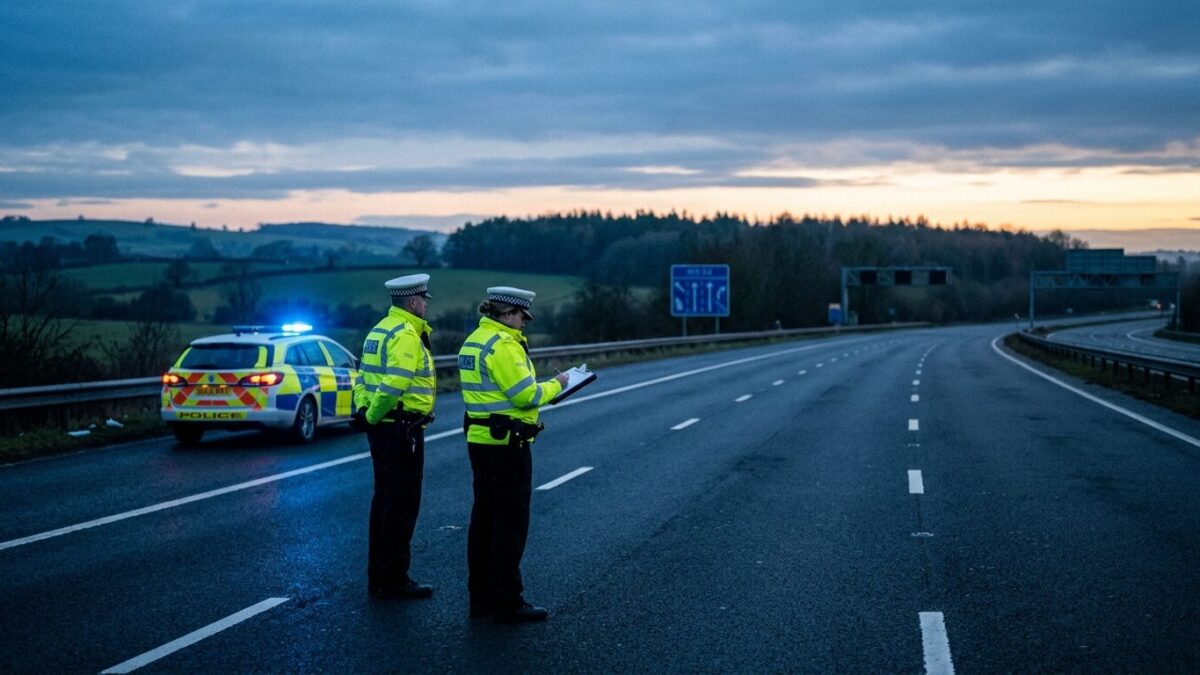
The M54 in Shropshire shut early on August 29 after injured animals were reported near the motorway, disrupting the morning commute. The closure came as wildlife groups in the US reported a sharp rise in wounded and sick animals, a reminder of how often roads, construction and routine human activity put wildlife at risk.
Road closed before sunrise
Authorities closed part of the M54 in the early hours after injured animals were found near the route. The disruption hit motorists before the day was fully under way. Traffic on the stretch was held up while crews dealt with the scene.
The incident fits a wider pattern wildlife centres are now describing as increasingly common. In North Texas, the North Texas Wildlife Center in Plano says it has treated more than 1,600 animals since January, about 50% more than in the same period last year. The centre has also cared for nearly 100 species, up 44% year on year.
Wildlife centres under pressure
Rehabilitators there say the pace has been relentless. About 10 times this spring, the Plano centre had to temporarily stop taking new animals because it was overwhelmed. Its six staff members and roughly 100 volunteers have faced a flood of injured and orphaned creatures, from eastern gray screech owls to tiny opossums.
Some of the cases point directly to familiar hazards. In one example, eggs from an owl nest were lost when a tree in Richardson was cut down. In another, a mother opossum was hit by a car in Lewisville, though the babies in her pouch survived and were brought in for care.
Wildlife experts in Texas have blamed booming construction, a warm spring and greater public awareness for the increase in admissions. The trend is not confined to one state. Across the US, rescue groups have been reporting similar pressure as human activity pushes more injured animals into emergency care.
A broader pattern on the roads
Roads are a particular danger. In Texas, a horse was euthanized after injuries sustained in a crash involving a livestock trailer on the Southwest Freeway in Sugar Land. Police said something struck the trailer, leading to a collision that blocked three lanes while crews waited for another trailer to move the animals.
In Washington, a D.C. firefighter was also injured in an early morning house fire, and animal control was called to help an injured cat at the scene. In Kansas, crews responding to a blaze near the Kansas State University Dairy Unit said no people or animals were hurt. Different incidents, same scramble: emergency teams trying to protect both humans and animals before dawn.
Wildlife workers say the pressure on rescues is likely to continue as development expands and roads carve through more habitat. “Babies coming in nonstop,” one Texas rescue described the spring rush. For many centres, that is no exaggeration. They are full, and the calls keep coming.