Toyota Tariff Lawsuit Seeks Refunds for U.S. Car Buyers
A California lawsuit argues Toyota should compensate U.S. customers if the automaker receives refunds for tariffs that plaintiffs say were passed on through…
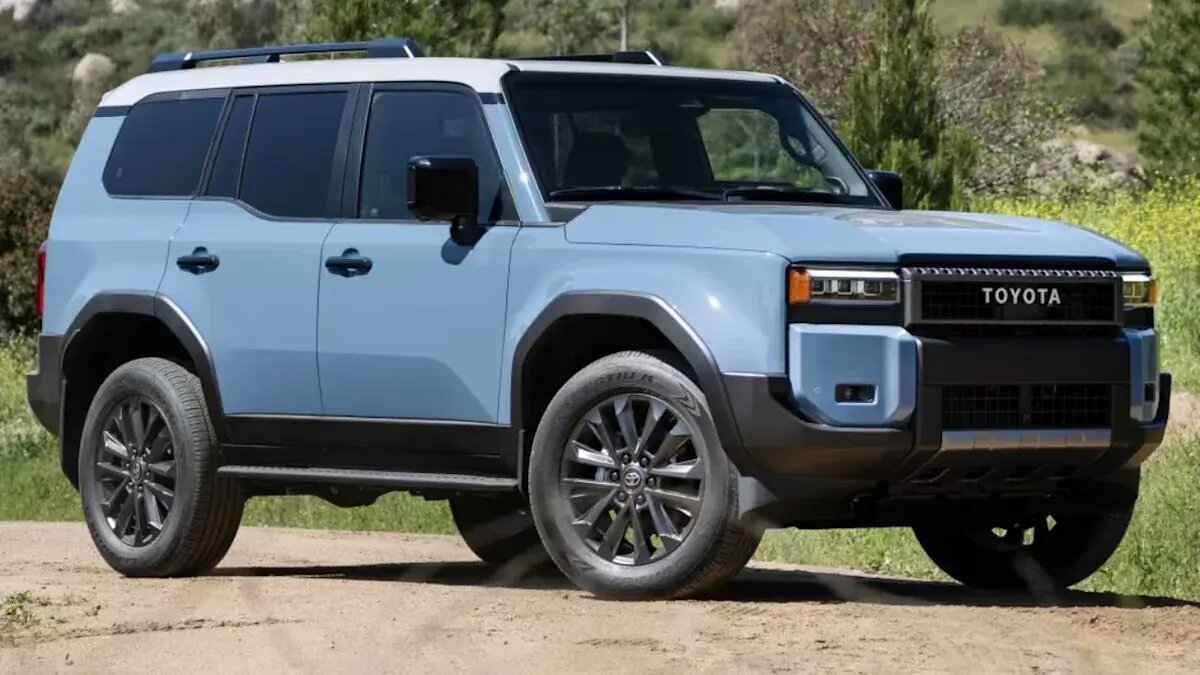
Tariff refunds could reach billions of dollars, but consumers cannot apply for them directly through the federal system. A new Toyota class action lawsuit in California argues the automaker should share any recovered tariff money with customers who allegedly paid higher vehicle prices.
California plaintiff Ananias Cornejo filed the case against Toyota Motor North America in the U.S. District Court for the Central District of California. The complaint seeks restitution for U.S. consumers who purchased or leased Toyota products affected by tariffs imposed under the International Emergency Economic Powers Act (IEEPA).
The dispute turns on who should benefit if the government returns import taxes to companies. The lawsuit says Toyota passed tariff-related expenses on to vehicle buyers; Toyota’s position on the claims was not included in the source report.
What the Toyota class action claims
According to the complaint, Toyota allegedly raised prices to offset tariff costs during the period between February 2025 and February 2026. The filing claims the automaker incurred roughly $9.7 billion in tariff costs because of imported parts and production tied to Japan, Canada and Mexico.
The plaintiff argues those costs were ultimately built into prices consumers paid for vehicles and related products. If Toyota receives government refunds connected to the tariffs, the lawsuit says, affected customers should receive restitution.
The proposed class covers U.S. consumers who bought or leased Toyota products affected by the IEEPA tariffs during the specified period. The case has yet to establish whether the claimed tariff costs directly drove the prices of the vehicles covered by the complaint.
That link is central. Automakers can change prices for several reasons, including supply-chain costs, exchange rates, material expenses and market demand, the source report noted. Plaintiffs would need to show a direct connection between Toyota’s tariff exposure and the prices buyers paid.
Refund system excludes consumers
The legal case follows a U.S. Supreme Court ruling in February 2026 that invalidated large portions of the tariff framework imposed under IEEPA. The ruling found the administration exceeded its authority under the 1977 law when applying broad tariffs to imports from countries including China, Canada and Mexico.
The decision opened the possibility of substantial repayments. Estimates cited in the source report put potential refunds of tariff collections at $166 billion to $175 billion, processed through a federal system.
U.S. Customs and Border Protection launched the CAPE refund platform, formally known as the Consolidated Administration and Processing of Entries system. As of May 11, officials reportedly calculated more than $35 billion in finalized refunds and interest tied to millions of shipments.
But consumers cannot file claims through that system. Only importers of record and authorized customs brokers can apply directly, leaving buyers dependent on companies or legal claims if they argue tariff costs were passed on to them.
That gap gives the case a broader consumer stake: the government’s refund process may repay importers without directly reimbursing people who say they bore some of the cost through higher prices. The complaint asks whether a company that recovers tariff payments should also compensate customers who allegedly funded them at the point of sale.
The lawsuit emerged after reports of tariff-related costs affecting Toyota’s North American operations. The source report said those costs contributed to a rare operating loss for the region during fiscal year 202, while also noting strong sales growth and record revenue.
The case now rests on whether the plaintiffs can establish that Toyota’s tariff expenses were reflected in the prices paid by the proposed class. The complaint says Toyota incurred roughly $9.7 billion in tariff costs.
Source: finance.yahoo.com